


In a highly publicized debate that continues to captivate both media and public interest, the custody status of Trig Palin, the youngest son of former Alaska Governor Sarah Palin, has resurfaced in recent discussions. As details surrounding the family dynamics emerge, questions regarding parental rights, family responsibilities, and the well-being of the children have come to the forefront.
Trig, who has Down syndrome, has been at the center of an ongoing narrative that intertwines personal challenges with the complexities of public life. In this article, we explore the current custody arrangements for Trig Palin, the implications for his family, and the broader societal issues raised by this ongoing situation.
Table of Contents
- Custody Battle Insights into Trig Palins Legal Situation
- Family Dynamics Exploring the Impact on Trig Palins Upbringing
- Legal Framework Understanding Custody Laws and Precedents
- Future Considerations Recommendations for Ensuring Trigs Best Interests
- Q&A
- In Summary
Custody Battle Insights into Trig Palins Legal Situation
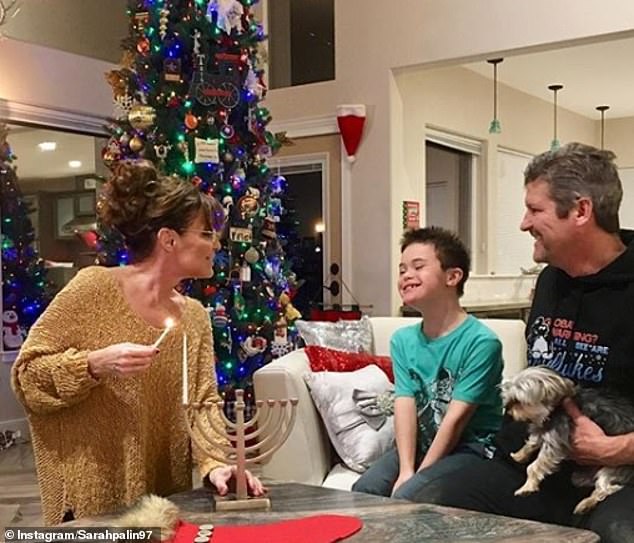
In recent developments surrounding Trig Palin’s custody, the focus has shifted to the complexities of legal arrangements and family dynamics. Trig, who is known for his special needs, is at the center of discussions involving his parents, former Alaska Governor Sarah Palin and her ex-husband Todd Palin. The legal landscape has seen heated debates over who can provide the most stable environment for Trig, leading to a comprehensive examination of parental responsibilities and individual capabilities. Key factors influencing these discussions include:
- Parental Involvement: Both Sarah and Todd have taken active roles in Trig’s life, raising questions about their respective commitments.
- Support Systems: The presence of extended family and community resources plays a pivotal role in ensuring Trig receives the necessary support.
- Legal Precedents: Previous custody cases involving special needs children can significantly influence current proceedings.
The current legal situation also brings to light a variety of opinions regarding the best care for Trig. Whether it is Sarah’s public persona or Todd’s quieter approach, the court’s decision may hinge on factors such as emotional security, educational opportunities, and therapeutic support. To better understand the stakes involved, the following table summarizes the contrasting elements of their custody proposals:
| Criteria | Sarah Palin’s Approach | Todd Palin’s Approach |
|---|---|---|
| Living Environment | Public engagement and community integration | Stable and private |
| Education | Advocacy for mainstream schooling | Emphasis on tailored educational programs |
| Support Network | Strong ties with public figures | Focus on extended family involvement |
Family Dynamics Exploring the Impact on Trig Palins Upbringing
Despite the tumultuous nature of family relationships, Sarah Palin has consistently emphasized the importance of maintaining strong familial bonds. The involvement of family members in Trig’s care showcases a network committed to providing a nurturing environment. Key factors influencing his upbringing include:
- Parental Guidance: Sarah and her husband Todd have been pivotal in advocating for Trig’s educational and healthcare needs.
- Sibling Support: Trig’s siblings actively contribute to his development, ensuring he feels a sense of belonging.
- Public Perception: The media’s portrayal of Trig’s condition affects not only their family dynamics but also societal views on disability.
Legal Framework Understanding Custody Laws and Precedents
Understanding the legal framework surrounding custody laws is vital for grasping the complexities of any custody dispute, including high-profile cases like that of Trig Palin. Custody laws vary significantly by jurisdiction, but they generally focus on the best interests of the child. Courts tend to consider a multitude of factors when making custody determinations, including but not limited to:
- Parental fitness: Evaluating the emotional and physical capabilities of each parent.
- Child’s relationship with each parent: Assessing the strength of the bond between child and parents.
- Living conditions: Considering the stability and safety of each parent’s home.
- Child’s wishes: Depending on age and maturity, the child’s preferences may be taken into account.
Precedents set by previous court rulings also play a significant role in shaping custody decisions. Legal professionals often cite landmark cases that have established principles relevant to the custody at hand. These precedents may cover a range of scenarios, including joint custody arrangements, modifications of custody orders, and the enforcement of visitation rights. Analyzing past legal decisions brings clarity to current rulings, emphasizing the relentless pursuit of the child’s welfare in each unique situation.
Future Considerations Recommendations for Ensuring Trigs Best Interests
As discussions surrounding Trig Palin’s custody and care continue, it is crucial to prioritize his well-being above all else. Future considerations should involve comprehensive assessments of his environment to ensure it meets his developmental needs. Key recommendations include:
- Multi-disciplinary Evaluations: Regular assessments from healthcare professionals, educators, and psychologists should be conducted to gauge Trig’s progress and identify any additional resources he may need.
- Support Systems: Establishing a robust support network, including family members and community resources, can foster an environment conducive to Trig’s growth and happiness.
- Legal Frameworks: Ensuring that custody arrangements are rooted in legal agreements that safeguard Trig’s access to his rights and public services.
Moreover, transparency and open communication among involved parties will be vital in securing Trig’s interests. Suggestions for further action include:
- Regular Updates: Keeping a schedule for periodic updates from all caregivers and stakeholders ensures everyone remains aligned regarding Trig’s needs.
- Resource Access: Advocating for continued access to educational resources and extracurricular activities tailored to Trig’s individual capabilities will help enhance his independence.
- Community Engagement: Encouraging family involvement in broader community programs can promote socialization and integration, pivotal for Trig’s long-term development.
Q&A
Q&A: Custody of Trig Palin
Q: Who is Trig Palin?
A: Trig Palin is the son of former Alaska Governor Sarah Palin and her husband, Todd Palin. He was born with Down syndrome in April 2008 and has been a public figure since his mother’s vice-presidential campaign in 2008.
Q: What is the current custody situation regarding Trig Palin?
A: As of now, Trig Palin remains in the primary custody of his mother, Sarah Palin. There have been no public disputes over custody, and Sarah has expressed her commitment to providing for Trig’s needs.
Q: Have there been any legal disputes regarding Trig’s custody?
A: There have not been any reported legal disputes over Trig’s custody since his birth. The Palin family has maintained a relatively low profile regarding ongoing family matters, focusing instead on their public roles.
Q: How has Trig’s condition affected the family dynamics?
A: Trig Palin’s diagnosis of Down syndrome has brought awareness to disability advocacy. Sarah Palin has often spoken about the joys and challenges of raising a child with special needs, which has influenced both public opinion and family unity.
Q: What role do Sarah and Todd Palin play in Trig’s life?
A: Both Sarah and Todd Palin are actively involved in Trig’s upbringing. Sarah often highlights the joyful experience of mothering Trig and advocates for services and support for families with children who have disabilities.
Q: Are there any ongoing discussions or movements related to Trig or families with special needs?
A: Yes, Trig’s life has sparked conversations around the rights and supports for individuals with disabilities. Advocacy groups have highlighted the need for more inclusive policies, and Sarah Palin’s own narrative has contributed to this dialogue.
Q: How has the public reacted to the Palin family’s situation regarding Trig?
A: The public reaction to Trig Palin has been a mix of support and curiosity. Many admire Sarah’s candidness about her journey as a mother of a child with Down syndrome, while others remain focused on political aspects of the Palin family.
Q: Will there be any future developments regarding Trig’s custody or welfare?
A: Any future developments regarding Trig’s custody or welfare would largely depend on the decisions made by Sarah and Todd Palin. As of now, both parents are involved in his life, and no changes have been indicated publicly.
Q: What should the public keep in mind about discussions concerning Trig’s life and custody?
A: Discussions surrounding Trig should be approached with sensitivity and respect for his privacy as a child with a disability. It’s important to remember that he is not just a public figure but a young individual deserving of dignity and care.
In Summary
the custody of Trig Palin remains a complex and evolving matter, reflective of broader themes surrounding family dynamics and public scrutiny. As different stakeholders weigh in, including legal experts and family representatives, the ultimate decision will shape not only Trig’s future but also the ongoing narrative of the Palin family. As new developments unfold, staying informed will be crucial, both for those directly involved and for the public eye watching closely. It underscores the importance of understanding the intricate layers of custody battles, where personal and public lives intersect, reminding us that behind every headline lies a deeply human story.


