


As the United States approaches the pivotal 2024 presidential election, the political landscape is rapidly taking shape. With a diverse array of candidates emerging from both major parties and a handful of independent hopefuls, the race promises to be one of the most consequential in recent history. Voters are looking not only at established political figures but also at fresh faces seeking to challenge the status quo.
This article will explore the key candidates vying for the nation’s highest office, examining their backgrounds, platforms, and the potential impact they may have on the electorate and the future trajectory of the country. As campaign activities intensify and debates loom on the horizon, understanding who the contenders are—and what they stand for—has never been more crucial for the American electorate.
Table of Contents
- Exploring the Democratic Contenders and Their Strategies
- Analyzing Republican Aspirants in a Divided Party Landscape
- Third-Party Challenges: The Rise of Alternative Candidates
- Voter Sentiment and Key Issues Shaping the 2024 Election
- Q&A
- The Way Forward
Exploring the Democratic Contenders and Their Strategies
As the 2024 Democratic primaries loom closer, the candidates are sharpening their messages and strategies to capture the hearts and minds of voters. Among the prominent contenders, each has crafted a distinctive campaign approach reflecting their political beliefs and the pulse of their constituencies. Joe Biden, the incumbent president, is preparing to run on his administration’s record, emphasizing achievements like economic recovery and healthcare reforms. In contrast, candidates such as Gavin Newsom and Amy Klobuchar are focusing on progressive policies, targeting issues such as climate change and income inequality. Their strategies include leveraging social media to engage younger voters and amplify their policy messages.
In the race, candidates are also adopting unique outreach methodologies to build their base. Some have embraced grassroots mobilization, hosting town hall events and community forums to connect directly with constituents. This approach allows them to discuss pressing local issues and present their platforms firsthand. Furthermore, campaign financing remains a critical element in shaping their strategies, with some contenders opting for small-dollar donations to showcase broad grassroots support. The importance of debates and public appearances cannot be overstated; these events will play a pivotal role in distinguishing themselves from one another and solidifying their positions within the party. Here’s a brief comparison of their current strategies:
| Candidate | Focus Areas | Strategy |
|---|---|---|
| Joe Biden | Economic Recovery, Healthcare | Incumbent Record |
| Gavin Newsom | Climate Change, Social Justice | Progressive Messaging |
| Amy Klobuchar | Rural Issues, Bipartisanship | Grassroots Engagement |
Analyzing Republican Aspirants in a Divided Party Landscape
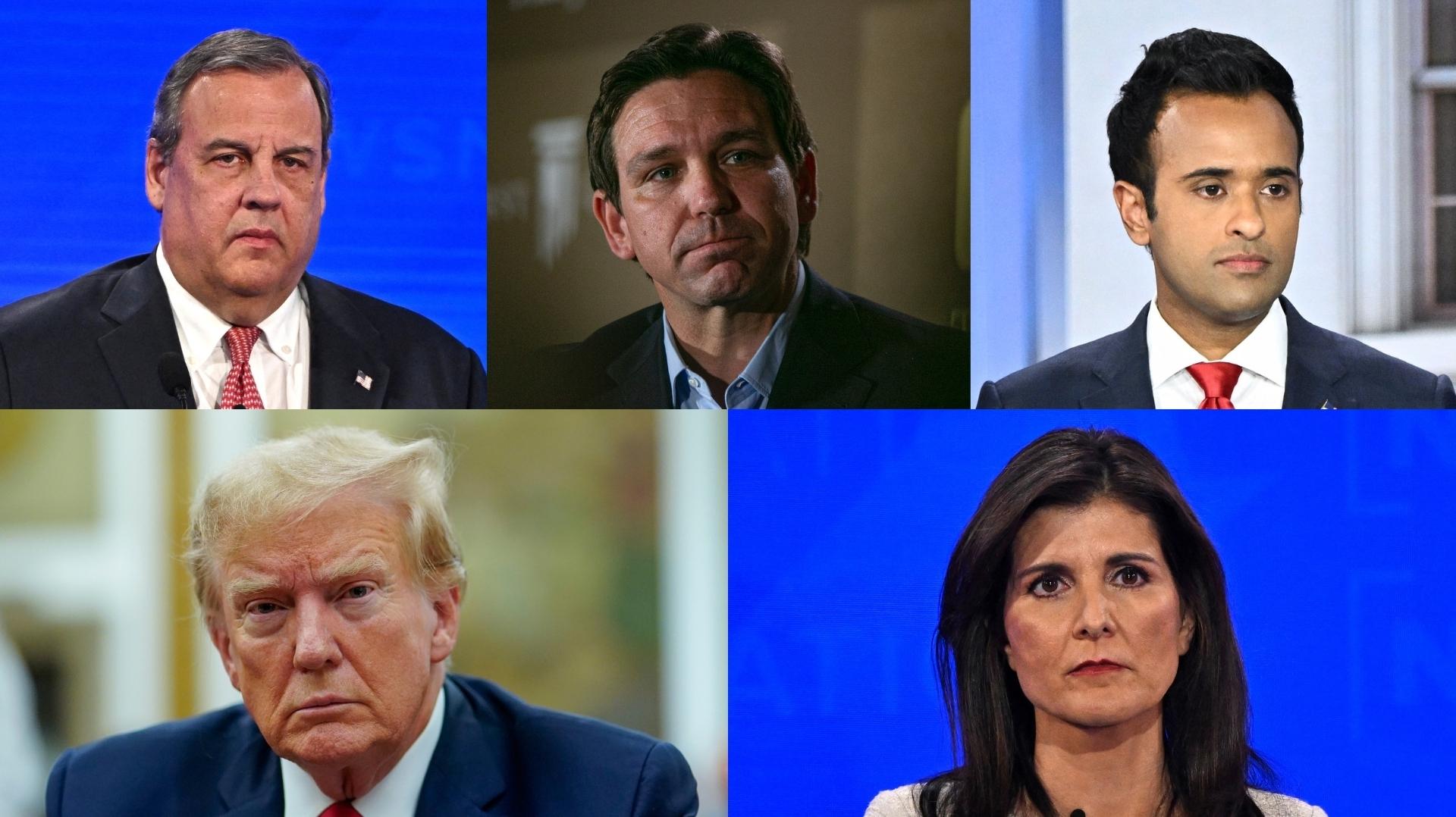
The landscape of the Republican Party heading into the 2024 presidential election is more fragmented than ever, with a multitude of candidates vying for the nomination. The division among party members is palpable, as traditional conservatives, populist voters, and a rising faction of libertarians struggle to assert their vision for the future. Key players are emerging, each with distinct platforms that appeal to different segments of the electorate, which complicates the path to a unified front for the general election. Among the top contenders, the following candidates have garnered significant attention:
- Donald Trump: Former president seeking to capitalize on his established base and previous policy successes.
- Ron DeSantis: The current Governor of Florida, promoting a robust anti-woke agenda and aggressive governance.
- Nikki Haley: Former UN Ambassador, focusing on national security and international diplomacy.
- Vivek Ramaswamy: Entrepreneur bringing a fresh perspective with bold proposals aimed at dismantling the administrative state.
The challenge for these aspirants lies not only in distinguishing themselves from one another but also in attracting independent and moderate Republican voters who may feel alienated by the more extreme factions within the party. The primary debates and campaign strategies will be pivotal in shaping perceptions and garnering support. As ideological rifts deepen, candidates will need to navigate their messaging carefully. The following table outlines key issues prioritized by each leading candidate:
| Candidate | Key Issues |
|---|---|
| Donald Trump | Economic growth, immigration reform |
| Ron DeSantis | Education reform, individual liberties |
| Nikki Haley | Foreign policy, women’s rights |
| Vivek Ramaswamy | Anti-woke policies, economic deregulation |
Third-Party Challenges: The Rise of Alternative Candidates
The political landscape for the 2024 Presidential Election is more dynamic than ever, as several third-party candidates seek to disrupt the traditional two-party system. These alternative candidates are drawing increased attention from voters disillusioned with the status quo. Among these contenders, notable figures include:
- Robert F. Kennedy Jr. – Running as an independent, Kennedy is capitalizing on a legacy of public service while advocating for environmental and health policies.
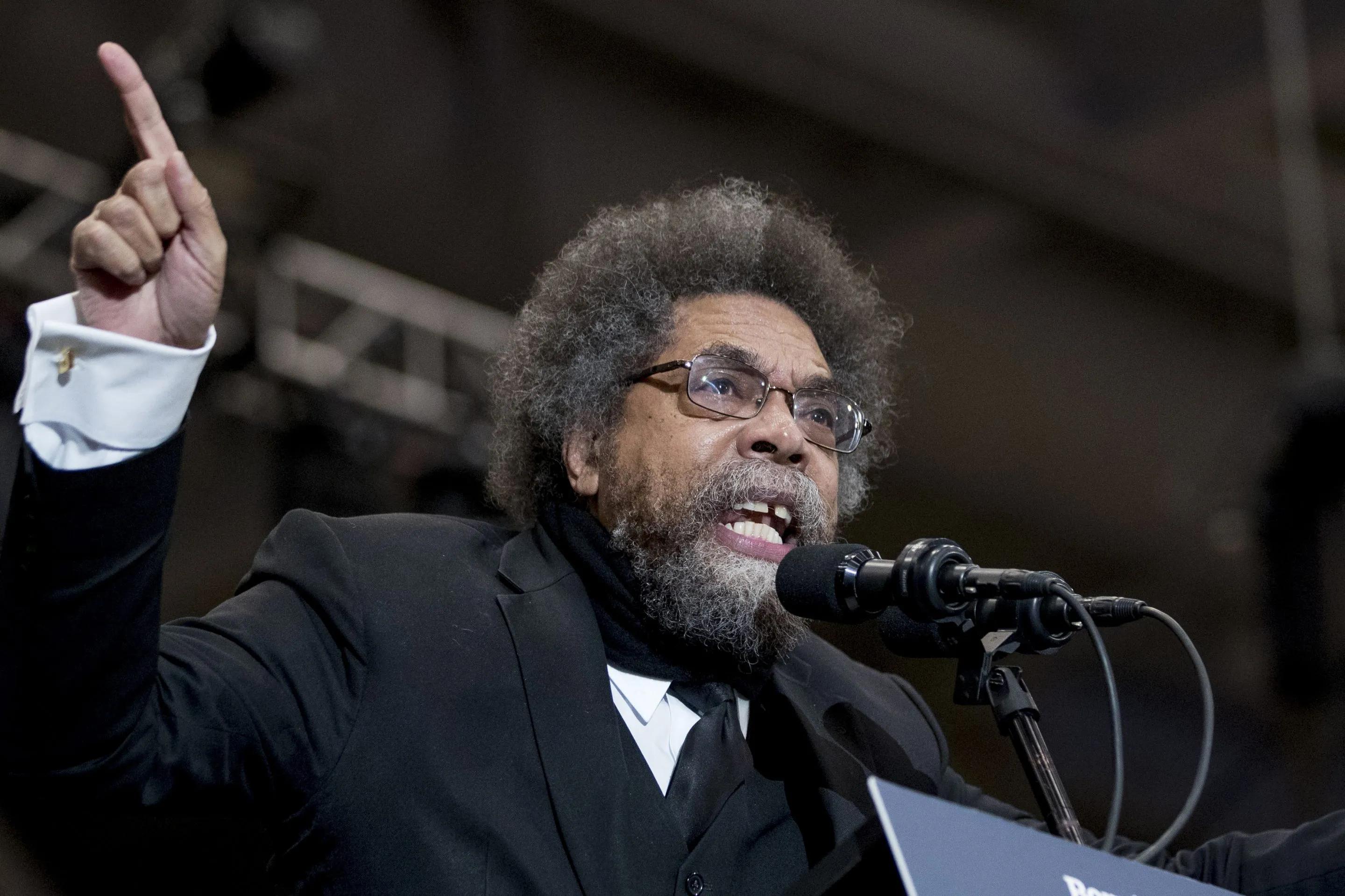
- Cornel West – The scholar and activist brings a progressive agenda focused on social justice and equity, aiming to energize grassroots support.
- Jill Stein – A familiar face in Green Party politics, Stein emphasizes climate action and systemic reforms.
As these candidates ramp up their campaigns, they are leveraging social media and grassroots movements to enhance their visibility. Voter sentiment seems to be shifting, with many voters voicing a desire for more choices beyond the Democratic and Republican nominees. A recent poll indicated that:
| Candidate | Polling % | Key Issues |
|---|---|---|
| Robert F. Kennedy Jr. | 19% | Health Freedom, Environmental Policies |
| Cornel West | 15% | Social Justice, Economic Equity |
| Jill Stein | 10% | Climate Crisis, Political Reform |
Voter Sentiment and Key Issues Shaping the 2024 Election
The 2024 presidential election is already being shaped by intense voter sentiment and a unique set of issues that resonate with the electorate. As the nation grapples with economic recovery and societal changes, key topics have emerged at the forefront of campaigns. Voters are increasingly concerned about economic instability, climate change, and healthcare accessibility, prompting candidates to refine their platforms to address these pivotal areas. The stark divide in partisan perspectives on issues like abortion rights and gun control further exacerbates the current political climate, driving both candidates and voters to consider the implications of each party’s stance.
Polling data reveals a shifting landscape of priorities among voters, with some crucial themes exhibiting bipartisan appeal. According to recent surveys, the primary issues influencing voter decisions include:
- Inflation and cost of living
- Healthcare reform
- Education and student debt
- Climate action
- National security
To better understand how these issues are interlinked with voter sentiment, a brief overview of current polling results is displayed in the table below:
| Issue | Importance to Voters (%) |
|---|---|
| Inflation | 67 |
| Healthcare | 62 |
| Climate Change | 55 |
| National Security | 53 |
| Education | 50 |
Q&A
Q&A:
Q1: Who are the leading candidates in the 2024 presidential election?
A1: As of October 2023, the leading candidates include President Joe Biden, who is seeking re-election for the Democratic Party, and former President Donald Trump, who is vying for the Republican nomination. Additional candidates from both major parties are also in the race, along with notable third-party contenders.
Q2: Are there any significant challengers to President Biden from within the Democratic Party?
A2: While President Biden is the incumbent and has significant party support, notable figures such as Marianne Williamson and Robert F. Kennedy Jr. have declared their candidacies. Kennedy has recently shifted his campaign to run as an independent candidate, which could impact the Democratic primary dynamics.
Q3: How is Donald Trump positioned in the Republican primary?
A3: Donald Trump maintains a strong lead in the Republican primary polls. His primary challengers include Florida Governor Ron DeSantis, former U.N. Ambassador Nikki Haley, and entrepreneur Vivek Ramaswamy. Trump’s popularity among Republican voters adds significant pressure on his opponents to differentiate themselves.
Q4: Are there any third-party candidates gaining traction?
A4: Yes, there are a few third-party candidates making headlines. Cornel West is running as a Green Party candidate, while Robert F. Kennedy Jr. has announced his independent campaign. These candidates aim to appeal to voters disillusioned by the traditional two-party system.
Q5: What issues are likely to dominate the 2024 election campaign?
A5: Key issues expected to dominate the campaign include the economy, healthcare, climate change, immigration, and social justice. Voters are also likely to focus on national security and foreign relations, especially in light of evolving global tensions.
Q6: When will the primaries and caucuses take place?
A6: The primary season will officially kick off in early 2024, starting with the Iowa Caucus on January 15, 2024, followed by the New Hampshire primary. The schedule will continue with various state primaries leading up to the national conventions in the summer.
Q7: How are candidates preparing for the debates?
A7: Candidates are engaging in rigorous debate preparation, which includes mock debates, policy reviews, and media training. The goal is to effectively convey their platforms and counter their opponents’ narratives during high-stakes public appearances.
Q8: What impact could voter turnout have in this election?
A8: Voter turnout will be crucial in determining the outcome of the 2024 presidential election. High turnout among young voters, minorities, and independent voters could influence the results significantly, given the competitive nature of the race and the growing trend of voters seeking alternatives to the two-party system.
Q9: What role could emerging technologies play in the campaign?
A9: Emerging technologies such as social media, data analytics, and artificial intelligence are expected to play a pivotal role in campaign strategies. Candidates are leveraging these tools for targeted advertising, mobilizing grassroots support, and engaging with voters in new ways.
Q10: How can voters stay informed about the candidates and their platforms?
A10: Voters can stay informed by following reputable news outlets, official candidate websites, and social media channels. Public forums, debates, and town hall meetings also provide opportunities to hear directly from candidates and ask questions relevant to their platforms.
The Way Forward
As we move closer to the 2024 presidential election, the field of candidates continues to shape the political landscape in the United States. Each individual vying for the highest office brings their own unique perspectives, policies, and visions for the future, sparking debates and discussions that will ultimately guide the electorate’s decision. With primaries and key debates on the horizon, voters are encouraged to engage actively with the candidates and their platforms to make informed choices. As the political climate evolves, staying abreast of developments will be crucial for understanding how these candidates will address the pressing issues facing the nation. As we track their journeys and hear their voices, one thing is clear: the upcoming election will be pivotal in defining America’s trajectory for years to come.


