


In a significant turning point in international diplomacy, the relationship between Iran and the United States appears poised for a new beginning. Following years of escalating tensions, economic sanctions, and heightened military posturing, both nations are now engaging in dialogue that could reshape their historical enmity. Recent developments, including diplomatic overtures and negotiations surrounding nuclear proliferation, signal a shift toward a more constructive engagement.
As both countries navigate the complexities of their intertwined pasts, the global community watches closely, hopeful that this renewed dialogue could pave the way for stability in the tumultuous Middle East. This article explores the key factors driving this potential thaw in relations, the challenges that lie ahead, and the implications for regional and global geopolitics.
Table of Contents
- Exploring Diplomatic Pathways for Improved Iran-USA Relations
- Economic Incentives for Mutual Growth and Stability
- Cultural Exchanges as a Bridge to Healing Divisions
- Assessing Regional Security Implications of Renewed Ties
- Q&A
- Key Takeaways
Exploring Diplomatic Pathways for Improved Iran-USA Relations
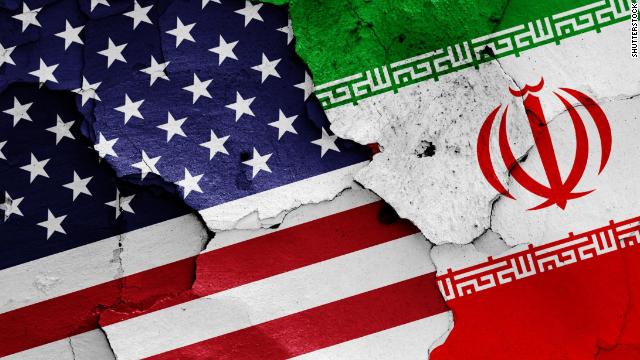
In recent discussions surrounding the future of Iran-USA relations, diplomatic pathways have taken center stage as potential avenues for enhanced collaboration and understanding. Both nations stand to gain from a renewed focus on dialogue, with key areas ripe for development, including trade agreements, cultural exchanges, and joint initiatives addressing global challenges such as climate change and terrorism. Engaging in direct conversations and establishing backchannels could help build trust and reduce tensions that have characterized the relationship in recent years.
One promising approach could be the establishment of a bilateral working group aimed at fostering mutual interests and resolving conflicts. This group could focus on practical issues such as economic cooperation and educational partnerships, providing a framework for more substantial negotiations. Additionally, transparency and regular updates from both governments could help assuage public concerns and promote a sense of community between their citizens. Below is a simple table outlining potential focal points for discussions:
| Focus Area | Potential Benefits |
|---|---|
| Trade and Economy | Increased investment opportunities |
| Cultural Exchange | Enhanced mutual understanding |
| Climate Initiatives | Joint efforts in sustainability |
| Terrorism Prevention | Shared intelligence and resources |
Economic Incentives for Mutual Growth and Stability
The prospect of renewed relations between Iran and the USA opens the door to a range of economic incentives that could foster mutual growth and stability. As both nations recognize the potential benefits of collaboration, several key areas emerge where economic partnerships can thrive, including:
- Energy Sector Collaboration: Joint investment in energy infrastructure can enhance supply and efficiency, benefiting both economies.
- Trade Agreements: Establishing favorable trade terms may open up markets, reduce tariffs, and increase bilateral trade volume.
- Technological Exchange: Cooperation in technology sectors, especially in renewable energies and digitalization, can spur innovation and job creation.
A strategic approach to these incentives could lead to comprehensive agreements that promote long-term investments and collaborative projects. For instance, a potential framework might include:
| Area of Cooperation | Potential Benefit |
|---|---|
| Agricultural Sector | Enhanced food security through joint ventures and technology transfer |
| Tourism Initiatives | Boost in tourism revenues and cultural exchange programs |
| Environmental Projects | * Collaborative efforts on climate change mitigation and sustainable practices |
Cultural Exchanges as a Bridge to Healing Divisions
The thawing of relations between Iran and the United States has unveiled a fresh opportunity for cultural exchanges to foster understanding and unite disparate communities. These initiatives aim to create a more profound dialogue between citizens, breaking down preconceived notions and stereotypes that have historically fueled animosity. Through various artistic mediums, such as music, film, literature, and culinary experiences, people from both nations have the chance to connect on a personal level, paving the way for reconciliation. The following avenues illustrate how cultural exchanges can bridge divides:
- Art Exhibitions: Collaborative showcases featuring Iranian and American artists can stimulate conversations and foster appreciation for each other’s heritage.
- Culinary Festivals: Events featuring traditional dishes from both countries provide a sensory experience that can highlight similarities and shared histories.
- Online Dialogues: Virtual forums allow individuals to share stories and perspectives, reaching a wider audience while facilitating dialogue.
To enhance the impact of these cultural initiatives, institutions on both sides must engage in meaningful partnerships. By implementing educational programs that promote cultural literacy, younger generations can learn about the significance of each other’s traditions and values. This approach can redefine public perceptions through shared knowledge and positive interactions. Below is a simple overview of potential partnership initiatives:
| Partnership Initiative | Description |
|---|---|
| Exchange Programs | Facilitating student exchanges to experience life and culture firsthand. |
| Joint Workshops | Offering collaborative sessions in arts, literature, and cuisine to promote mutual understanding. |
| Cultural Diplomacy Events | Hosting events that showcase the rich tapestry of both nations’ cultural heritages. |
Assessing Regional Security Implications of Renewed Ties
The recent thawing of relations between Iran and the United States signals a seismic shift that could reshape the security landscape of the Middle East. As both nations embark on this new diplomatic journey, several factors must be considered to understand potential regional reactions and ramifications. Potential allies and adversaries alike are recalibrating their strategies in response. Key considerations include:
- Geopolitical Alignments: Nations will reassess their alliances as the traditional power dynamics shift.
- Regional Proxy Conflicts: A reinvigorated dialogue may diminish hostilities but could also embolden state and non-state actors engaged in proxy wars.
- Impact on Military Presence: The U.S. military footprint in the region may be reassessed, influencing local security forces and regional deterrence strategies.
Furthermore, the ramifications of these renewed ties extend beyond bilateral relations. The implications for broader regional security dynamics can be illustrated through the following table, highlighting key players and their potential responses:
| Country | Potential Reaction |
|---|---|
| Saudi Arabia | Increased regional diplomacy to counterbalance Iran’s influence. |
| Israel | Heightened military readiness and potential preemptive strategies. |
| Russia | Enhanced cooperation with Iran and leverage in energy markets. |
| Turkey | Pursuit of a mediating role, balancing relations with both the U.S. and Iran. |
Q&A
Q&A: New Beginnings in Iran-U.S. Relations
Q: What recent developments indicate a shift in relations between Iran and the United States?
A: Recent diplomatic engagements suggest a thaw in relations, notably through back-channel negotiations that have focused on issues such as the nuclear agreement, regional security, and humanitarian concerns. High-level discussions, including the exchange of prisoners and efforts to revitalize the Joint Comprehensive Plan of Action (JCPOA), indicate a willingness on both sides to explore renewed dialogue.
Q: What factors are driving this change in dynamics?
A: Several factors are contributing to this shift. The geopolitical landscape has evolved significantly following the Russian invasion of Ukraine and rising tensions in the Middle East. Additionally, both nations face internal pressures: the U.S. grapples with domestic political divisions, while Iran is dealing with socio-economic challenges and public discontent. Moreover, regional players like Saudi Arabia are seeking to stabilize relations, influencing U.S. strategy in engaging Iran.
Q: How are regional players reacting to the potential for improved U.S.-Iran relations?
A: Responses from regional players are mixed. Countries like Saudi Arabia and Israel remain wary of any rapprochement, fearing that it could embolden Iran’s influence in the region. Conversely, some Gulf states are cautiously optimistic, seeing potential benefits in reduced tensions. Egypt and Turkey have also expressed interest in fostering dialogue, establishing a multifaceted diplomatic atmosphere in the Middle East.
Q: What impact could improved relations have on nuclear negotiations?
A: Enhanced relations could pave the way for renewed nuclear negotiations, making it easier to address concerns surrounding Iran’s nuclear program. If both sides can find common ground, it might lead to a re-engagement with the JCPOA, which could involve adjustments to sanctions and commitments from Iran regarding its nuclear activities.
Q: Are there concerns about the U.S. approach to these negotiations?
A: Yes, there are notable concerns regarding the U.S. approach. Critics argue that concessions to Iran may embolden its regional ambitions and weaken the position of U.S. allies. Additionally, there is skepticism among lawmakers in Congress about whether Iran can be trusted to adhere to any agreements. The balance of maintaining a tough stance while pursuing dialogue remains a critical challenge for U.S. negotiators.
Q: What are the potential benefits for both nations if relations continue to improve?
A: For Iran, improved relations with the United States could lead to economic relief through the lifting of sanctions, enhancing trade relations, and attracting foreign investments. For the U.S., fostering a stable relationship with Iran could reduce tensions in the Middle East, improve regional security, and help limit nuclear proliferation. Ultimately, both nations could find common ground on issues such as countering terrorism and addressing humanitarian crises, which could create a more stable regional order.
Q: What are the next steps for both nations to build on this momentum?
A: The next steps involve continued dialogue and building trust through tangible actions. This might include confidence-building measures such as further prisoner exchanges, discussions on regional security, and incremental easing of sanctions. Establishing a framework for ongoing communication and cooperation will be crucial in maintaining this momentum and addressing the underlying issues that have historically strained relations.
Key Takeaways
As the dawn of a new chapter in Iran-U.S. relations emerges, the global community watches closely for signs of lasting change. Diplomatic efforts, marked by dialogue and engagement, suggest a potential shift away from decades of tension towards a more constructive partnership. While challenges remain, both nations appear poised to pursue avenues of cooperation, particularly in areas like trade, security, and cultural exchange. The stakes are high, and the road ahead is fraught with complexities. However, the recent thawing of relations offers a glimmer of hope not only for both countries but for international stability as well. As the world turns its gaze towards this unfolding narrative, it remains to be seen how this pivotal moment will evolve and what it ultimately means for the future of diplomacy in the region.


