


As geopolitical tensions escalate and the specter of war looms, many individuals find themselves grappling with questions about the safety of their financial assets. The stability of banking systems, the value of currency, and the accessibility of funds can be dramatically affected in times of conflict.
This article delves into the complexities of banking during wartime, exploring potential scenarios that could unravel the security of your savings and investments. From the implications of government interventions and bank closures to the risk of hyperinflation and currency devaluation, understanding what could happen to your money is crucial. As citizens prepare for uncertainties, it is vital to remain informed about the financial landscape that arises in the wake of conflict.
Table of Contents
- Understanding the Risks to Your Savings in Times of Conflict
- The Impact of War on Banking Systems and Financial Stability
- Strategies to Safeguard Your Assets in Uncertain Times
- Exploring Alternative Investment Avenues Amid Global Turmoil
- Q&A
- In Summary
Understanding the Risks to Your Savings in Times of Conflict
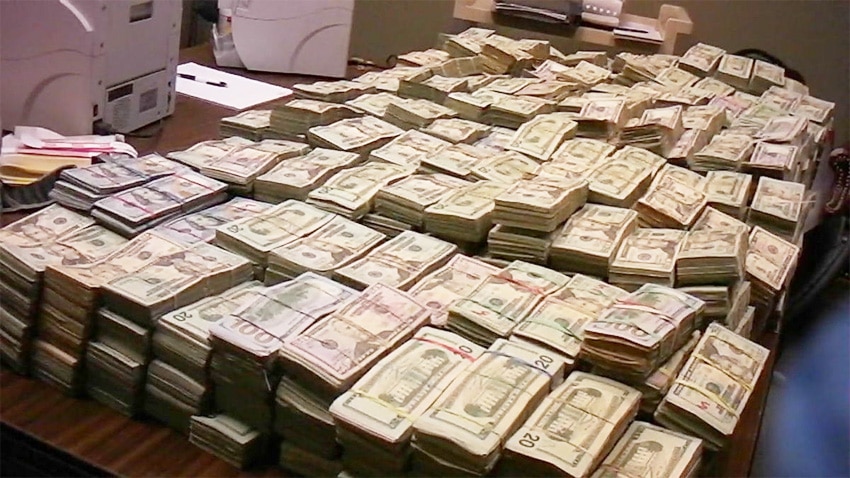
Amidst the turmoil of war, the stability of your financial assets can come into question. Banking systems often face operational challenges during conflicts, potentially leading to restricted access to your funds. As infrastructure is compromised, there may be delays in transactions, and in some cases, banks may impose temporary withdrawal limits. Key factors influencing the safety of your savings include:
- Government Stability: A lack of government authority can create an environment of uncertainty, prompting panic withdrawals.
- Currency Devaluation: Wars often trigger rapid inflation, eroding the purchasing power of your savings in local currency.
- Cybersecurity Risks: Increased cyber attacks targeting financial institutions can threaten online banking systems and personal financial information.
It’s important to consider diversification in these precarious times. Spreading your assets across different accounts, institutions, and even geographical locations can help mitigate risks. You may also want to weigh the viability of alternative forms of value preservation, such as precious metals or cryptocurrencies. A look at some options could include:
| Asset Type | Benefits | Risks |
|---|---|---|
| Gold/Silver | Historically maintains value during crises | Physical storage and liquidity issues |
| Cryptocurrency | Decentralized and borderless | Volatility and regulatory concerns |
| Foreign Currency Accounts | Protection against local currency devaluation | Exchange rate risks and accessibility issues |
The Impact of War on Banking Systems and Financial Stability
War can have profound effects on banking systems and financial stability, often triggering panic among depositors. As conflict brews, individuals may rush to withdraw their funds, leading to liquidity crises for banks. This phenomenon is exacerbated by the potential for government interventions such as capital controls, which restrict access to funds, further diminishing public trust in financial institutions. Additionally, financial markets typically respond negatively, with stock prices plummeting and volatility rising, creating an atmosphere of uncertainty that can stall economic growth and impact everyday transactions.
Moreover, the operational integrity of banks becomes vulnerable amidst warfare. Banks may experience disruptions due to infrastructure damage or the inability to access corporate accounts and ATMs, leading to the following consequences:
- Increased Risk of Default: Borrowers facing turmoil may default on loans.
- Currency Devaluation: National currencies may lose value due to economic instability.
- Hyperinflation: Wartime spending can lead to inflated prices, eroding savings.
To illustrate the potential impact on banking systems, consider the following table, which outlines common effects seen during times of war:
| Effect | Description |
|---|---|
| Bank Runs | A surge of withdrawals due to panic. |
| Credit Crunch | Reduction in lending as banks prioritize stability. |
| Systemic Risk | Threats to the entire financial system emerge. |
Strategies to Safeguard Your Assets in Uncertain Times
In times of conflict or geopolitical instability, the safety of your savings can feel precarious. The reality is that traditional banking systems, while typically secure, may face unprecedented challenges. If war erupts, the government may impose restrictions on transactions, limit withdrawals, or even freeze accounts, leaving individuals vulnerable. To protect your assets effectively, consider diversifying your holdings and exploring alternatives beyond cash deposits. This includes investing in tangible assets like real estate, precious metals, or even cryptocurrencies that operate independently of traditional banking infrastructures.
Additionally, it is crucial to remain informed about the financial climate and government policies that could impact your money during turbulent times. A well-structured financial strategy may include:
- Emergency funds: Keep cash reserves in multiple currencies to hedge against local currency devaluation.
- Precious metals: Invest in gold or silver, which often maintain value during crises.
- Decentralized finance: Consider digital assets and decentralized financial platforms as a hedge against bank instability.
- Insurance products: Explore options like asset protection and political risk insurance if you have significant investments.
Furthermore, creating a contingency plan is essential. This involves assessing potential risks and establishing a clear course of action should your financial situation change dramatically. The table below summarizes critical steps to consider:
| Action | Description |
|---|---|
| Cash Diversification | Hold multiple currencies to mitigate risks associated with currency collapse. |
| Physical Assets | Invest in real estate or commodities that are less volatile in times of conflict. |
| Regular Monitoring | Stay updated on major global events and financial news to make informed decisions. |
Exploring Alternative Investment Avenues Amid Global Turmoil
As geopolitical tensions escalate and the specter of conflict looms, investors are increasingly seeking ways to safeguard their financial assets. Traditional banking systems, while perceived as secure, can prove vulnerable under the strain of war. It’s crucial to understand how your funds may be affected and to explore alternative investment opportunities that can offer both stability and potential growth during times of uncertainty. Some appealing options include:
- Precious Metals: Gold and silver have long been considered safe-haven assets. They tend to retain value when currencies falter and can provide a hedge against inflation.
- Real Estate: Investing in tangible properties can offer both rental income and long-term appreciation, especially in markets that are less sensitive to global events.
- Cryptocurrencies: Digital currencies may offer diversification and can operate independently of traditional banking systems, although they come with heightened volatility.
- Collectibles: Items such as art, wine, and rare coins may gain value over time and can act as a form of diversification beyond standard financial assets.
Moreover, understanding the mechanics of your bank account during wartime is vital. In extreme cases, banks may impose withdrawal limits or even freeze accounts, sparking concerns about access to funds. Maintaining a diversified portfolio, including assets outside the conventional banking system, becomes imperative. Here’s a brief overview of potential impacts on savings during conflict:
| Potential Impact | Description |
|---|---|
| Limited Access | Banks may restrict withdrawals, impacting liquidity. |
| Inflation | Currency devaluation could erode the value of cash holdings. |
| Increased Risk of Bank Failures | Heightened economic instability may lead to bank closures. |
| Security Concerns | With war, physical safety of funds stored in banks can come into question. |
Q&A
Q&A: What Happens to Your Money in the Bank If War Breaks Out?
Q: What are the immediate impacts on personal bank accounts if a war breaks out?
A: In the event of a war, the immediate impact on personal bank accounts can vary based on the country’s financial system and the nature of the conflict. Generally, access to funds may remain unaffected initially; however, banks may implement limits on withdrawals or transfers as they attempt to maintain liquidity and stability. This is particularly true in regions directly impacted by conflict.
Q: Could there be a risk of bank failures during a war?
A: Yes, there is a risk of bank failures during times of war. Financial institutions may face increased risks due to a loss of depositor confidence, heightened economic instability, and potential damage to infrastructure. If banks struggle to operate, it could lead to a banking crisis, potentially impacting depositors’ access to their funds.
Q: How might government measures affect savings and bank accounts?
A: Governments may introduce emergency measures during a war to stabilize the economy. This could include freezing bank accounts, implementing capital controls to limit withdrawals and transfers, or even nationalizing banks. Such actions can directly impact individuals’ access to their savings and investments.
Q: What happens to insured deposits?
A: In many countries, deposits are protected by a government-backed insurance scheme, such as the Federal Deposit Insurance Corporation (FDIC) in the United States, which insures deposits up to a certain limit. However, in times of war, the operational effectiveness of these systems could be challenged, especially in conflict zones. It’s crucial for depositors to understand these limits and the specific protections provided.
Q: How do currency fluctuations play a role in this scenario?
A: War can lead to significant fluctuations in currency values. In times of conflict, a country’s currency may depreciate sharply, affecting the value of funds held in local banks. For those holding foreign currencies or investments, outcomes will depend on the nature of the conflict and its impact on global markets.
Q: Should individuals take any precautions with their finances in light of potential conflicts?
A: Financial experts recommend diversifying assets and maintaining a varied portfolio, including cash, precious metals, and essential goods. Keeping some savings in foreign currencies or stable assets may provide additional security. Furthermore, it’s prudent to stay informed about national and international developments and understand how they could impact personal finances.
Q: What general advice do financial experts give about preparing for possible conflict?
A: Experts emphasize the importance of financial preparedness, which includes having an emergency fund and understanding the implications of potential conflicts on investments and savings. Regularly reviewing one’s financial plan and staying informed about the geopolitical landscape can help individuals make informed decisions should a crisis arise.
Q: How can individuals ensure they receive timely and accurate information during a crisis?
A: Staying connected to reliable news sources, government communications, and financial institutions is paramount. It’s also advisable to engage with financial advisors who specialize in crisis management to receive tailored guidance. Maintaining an awareness of alternative communication methods, particularly when traditional channels might be disrupted, can be vital.
As global tensions rise, understanding the implications of war on personal finances becomes increasingly critical. Individuals must remain vigilant and proactive in safeguarding their financial well-being.
In Summary
As the geopolitical landscape continues to shift and uncertainties loom, the question of what happens to your money in the bank during times of war remains pressing. Financial institutions play a critical role in safeguarding personal savings, but their stability can be heavily influenced by larger national and global conflicts.
In the event of war, the impact on banking systems may vary depending on the severity and duration of the conflict. While some measures, such as government guarantees and insurance schemes, are designed to protect depositor funds, economic instability can still lead to restricted access, currency devaluation, or even bank failures in extreme cases.
As individuals, it is crucial to remain informed and proactive about our financial well-being, understanding our rights and the resources available to protect our assets. Regularly reviewing financial strategies and considering diversification can provide some cushion in uncertain times.
Ultimately, the resilience of your finances during a crisis hinges not only on institutional safeguards but also on awareness and preparation. As we navigate an increasingly volatile world, staying informed and adaptable is key to safeguarding our economic future.


