


As the conflict in Ukraine endures into another year, the specter of a potential defeat looms heavy over both the nation and the geopolitical landscape. While Ukraine continues to rally international support and fortify its defenses against Russian aggression, questions abound regarding the ramifications should the tide of war shift unfavorably. A loss for Ukraine would not only reshape its own future but could also have far-reaching implications for European security, international alliances, and the global balance of power.
This article delves into the possible scenarios, economic repercussions, and political shifts that could emerge from a Ukrainian defeat, while also highlighting the resilience of a nation that has drawn global attention and sympathy in its struggle for sovereignty and democracy. As the world watches closely, understanding the stakes is more crucial than ever.
Table of Contents
- Implications for Ukraines Sovereignty and Territorial Integrity
- Geopolitical Shifts: The Impact on European Security Architecture
- Humanitarian Crisis: Addressing the Fallout for Civilians
- International Response: Strategies for Supporting a Weakened Ukraine
- Q&A
- Key Takeaways
Implications for Ukraines Sovereignty and Territorial Integrity
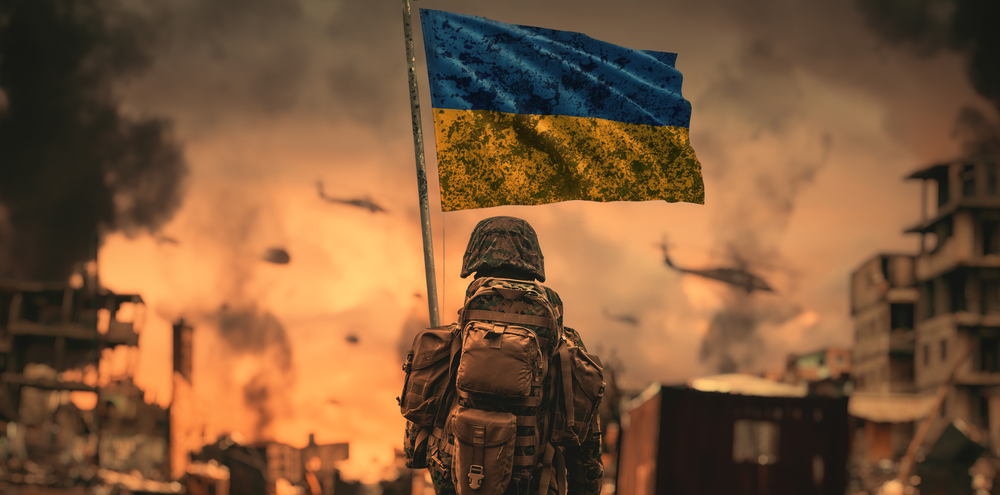
The potential loss of Ukraine carries severe implications for its sovereignty and territorial integrity, reshaping the geopolitical landscape of Eastern Europe. A defeat could embolden not only Russian ambitions but also set a dangerous precedent for other nations with territorial disputes, demonstrating that military aggression yields rewards. This could lead to a domino effect where nations may reconsider their strategies and alliances, increasing insecurity in the region. Key nations that might reevaluate their positions include:
- Belarus
- Georgia
- Moldova
- Other post-Soviet states
The shift in regional power dynamics could result in a reversion to spheres of influence reminiscent of the Cold War era, with Ukraine trapped between competing forces.
The erosion of Ukraine’s territorial integrity would not only affect its borders but also threaten its national identity, governance, and democratic aspirations. The annexation of previously held territories could lead to heightened internal conflict as differing allegiances surface among the population. Moreover, the economic costs associated with rebuilding and reintegrating lost areas would strain national resources and redirect governmental focus from development to defensive posturing. Potential consequences for Ukraine may include:
- Increased military spending
- Internal political strife
- Economic downturns
- Loss of international standing
This cycle of damage could reduce Ukraine to a state of dependency on external support, undermining its sovereignty further and deterring foreign investment and engagement.
Geopolitical Shifts: The Impact on European Security Architecture
The potential fall of Ukraine in its struggle against aggression could lead to considerable shifts in the geopolitical landscape of Europe, dramatically reshaping the existing security architecture. In this scenario, NATO’s eastern flank would face increased vulnerability, prompting a reassessment of its strategic posture and operational readiness. Countries such as Poland, the Baltic states, and Finland could perceive a tangible threat, leading to a surge in defense spending and heightened military collaborations among regional allies. Additionally, the prospect of a resurgent Russia could inspire a new wave of security initiatives, including enhanced troop deployments and updates to military capabilities, creating a more militarized Eastern Europe.
Moreover, the diplomatic landscape may witness a realignment as European nations grapple with the ramifications of Ukraine’s loss. Diplomatic relations with Russia could shift, resulting in a potential increase in isolationist approaches or alliances with non-Western powers, such as China. The European Union’s approach to its geopolitical strategy may also evolve, as the existential threat posed by an emboldened Russia could lead to more cohesive defense policies and a push for autonomy from U.S. influence. In this context, building a unified European security framework might be viewed as imperative, potentially culminating in a new coalition to counter external threats and safeguard territorial integrity across the continent.
Humanitarian Crisis: Addressing the Fallout for Civilians
The potential loss of Ukraine could lead to a significant humanitarian crisis, deeply affecting civilians both within the borders of Ukraine and in neighboring countries. The immediate fallout may manifest in increased displacement rates, as families flee towards safer regions or seek refuge in other nations. Reports suggest that such a scenario could yield a large-scale exodus similar to previous major conflicts, resulting in strained resources for host countries.
Furthermore, the psychological impacts on the population could be profound and long-lasting. Many civilians would endure devastating losses, facing trauma from violence, separation from loved ones, and the uncertainty of their futures. A resurgence of humanitarian needs would necessitate increased support from international organizations and aid agencies. The projected responses to these challenges include:
- Emergency shelters to accommodate displaced persons
- Access to healthcare for trauma and physical injuries
- Food and water supplies for affected populations
- Psycho-social support to assist in coping with trauma
To illustrate the potential scale of this crisis, the following table summarizes anticipated displacement numbers compared to past crises:
| Conflict | Estimated Displaced Persons (millions) |
|---|---|
| Syrian Civil War | 13.5 |
| Venezuelan Migration Crisis | 5.7 |
| Ukrainian Conflict (2022) | 8.3 |
| Potential Post-Loss Scenario | Up to 10 |
International Response: Strategies for Supporting a Weakened Ukraine
The international community is grappling with the implications of a potentially weakened Ukraine. To prevent further destabilization in Eastern Europe, various nations and organizations are exploring strategic support measures focused on humanitarian aid, military assistance, and economic stability. Key strategies include:
- Military Aid: Provide advanced weaponry and training to bolster Ukraine’s defense forces.
- Humanitarian Assistance: Increase financial support for refugees and displaced persons, ensuring basic needs are met.
- Sanctions on Aggressors: Implement or extend sanctions against countries that may seek to take advantage of Ukraine’s vulnerability.
Additionally, alliances like NATO and the European Union play a crucial role in collective security and diplomatic efforts. Collaborative initiatives can include:
| Initiative | Description |
|---|---|
| Economic Support Packages | Facilitate loans and grants to stabilize Ukraine’s economy. |
| Military Exercises | Conduct joint military drills with Ukrainian forces to enhance readiness. |
| Diplomatic Engagement | Foster dialogue with neighboring nations to prevent further escalation. |
Q&A
Q&A: What Happens If Ukraine Loses the Conflict?
Q: What does a loss for Ukraine in the ongoing conflict imply?
A: A loss for Ukraine could result in significant territorial concessions to Russia, potentially leading to the annexation of more Ukrainian regions, similar to the annexation of Crimea in 2014. Such a scenario could also establish a precedent for Russia’s expansionist policies in the region, impacting the sovereignty of neighboring countries and altering the security landscape in Eastern Europe.
Q: How would a Ukrainian defeat affect its government and military structure?
A: A Ukrainian defeat could lead to a collapse of the current government or a shift in leadership towards more pro-Russian figures. The military may face severe restructuring, loss of morale, and potential demobilization, further destabilizing the country’s defense against external threats.
Q: What are the potential economic consequences for Ukraine?
A: The economic ramifications of a loss could be dire, exacerbating an already strained economy. Potential loss of industrial regions and agricultural hubs, combined with international sanctions and reduced foreign investment, could lead to long-term economic decline and increased dependency on foreign aid.
Q: How might a loss impact the civilian population in Ukraine?
A: Civilians could experience increased repression under Russian control, potentially facing human rights abuses, loss of freedom of expression, and limited access to essential services. The humanitarian crisis could worsen, with millions more displaced and the potential for a refugee exodus from Ukraine.
Q: What would be the international response to a Ukrainian defeat?
A: Internationally, a Ukrainian defeat might lead to varied responses. Some Western nations could impose stricter sanctions on Russia, while others might reconsider their military support for Ukraine. It could also spark a reevaluation of NATO’s strategic posture in Eastern Europe, as well as the role of international organizations in conflict resolution.
Q: Could a Ukrainian loss inspire other countries facing aggression?
A: Yes, a loss for Ukraine could embolden other authoritarian states, indicating that aggressive territorial expansion may go unchallenged. It could also discourage countries seeking democratic reforms from aligning with Western powers, fearing similar outcomes.
Q: Is there a diplomatic solution that could prevent a loss for Ukraine?
A: Diplomatic avenues remain challenging, but negotiations could potentially yield a ceasefire or peace agreement that maintains Ukraine’s sovereignty while addressing some Russian security concerns. However, the success of such negotiations is contingent on political will from both sides and international mediation.
Q: What role do human rights organizations play in this situation?
A: Human rights organizations are crucial in documenting abuses and advocating for the protection of civilians in conflict zones. Their continued presence and reporting can help maintain international awareness and pressure for humanitarian assistance and accountability for any violations committed during the conflict.
Q: what are the broader implications of a potential Ukrainian defeat?
A: A defeat for Ukraine would not only reshape the country’s future but could also destabilize Eastern Europe and embolden authoritarian regimes. It raises critical questions about international norms, sovereignty, and the efficacy of global diplomatic frameworks in responding to aggression, with potential long-term consequences for global stability.
Key Takeaways
As the conflict in Ukraine continues to unfold, the stakes remain alarmingly high—not only for the nation itself but for the broader geopolitical landscape. A potential Ukrainian loss could reverberate beyond its borders, raising questions about regional stability, increased aggression from neighboring states, and the future of international norms regarding sovereignty.
The implications of such an outcome would extend to the global economy, security alliances, and the resilience of democratic institutions under threat. In this uncertain climate, it is crucial for international actors to remain engaged, utilizing diplomatic channels to seek resolutions that prioritize peace and sovereignty.
While the war persists, the determination of the Ukrainian people and their allies will play a pivotal role in shaping what lies ahead. The world watches closely, aware that the ramifications of this conflict are not confined to its current battlefield but may define a generation. As the situation evolves, understanding the potential consequences of a Ukrainian loss will be vital for policymakers and citizens alike, underscoring the urgency of a comprehensive response aimed at mitigating further escalation.


