


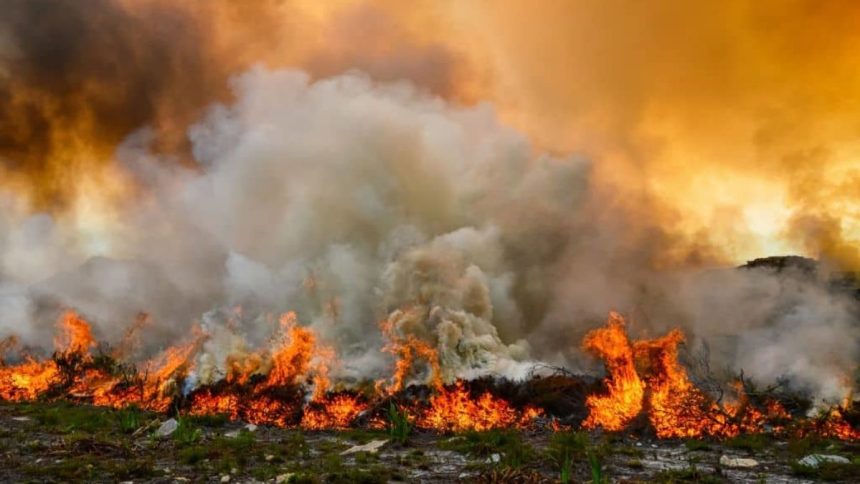
As climate change continues to reshape the American landscape, an alarming trend is emerging: the frequency and intensity of wildfires are on the rise, posing a significant threat to forest ecosystems across the nation. This escalating phenomenon could undermine years of conservation efforts aimed at preserving and restoring vital woodland habitats.
Experts warn that while reforestation initiatives and sustainable management practices are designed to promote healthy forests that sequester carbon and support biodiversity, the growing prevalence of destructive wildfires may negate these benefits, resulting in a cycle of environmental degradation. In this article, we will explore the complex interplay between increasing wildfire occurrences and forest conservation efforts, highlighting the urgent need for adaptive strategies to protect these critical ecosystems in a changing climate.
Table of Contents
- Increasing Wildfires Threaten Forest Recovery and Ecosystem Balance
- The Role of Climate Change in Escalating Wildfire Risks
- Innovative Strategies for Fire Prevention and Forest Management
- Community Engagement and Policy Changes to Combat Wildfire Challenges
- Q&A
- Closing Remarks
Increasing Wildfires Threaten Forest Recovery and Ecosystem Balance
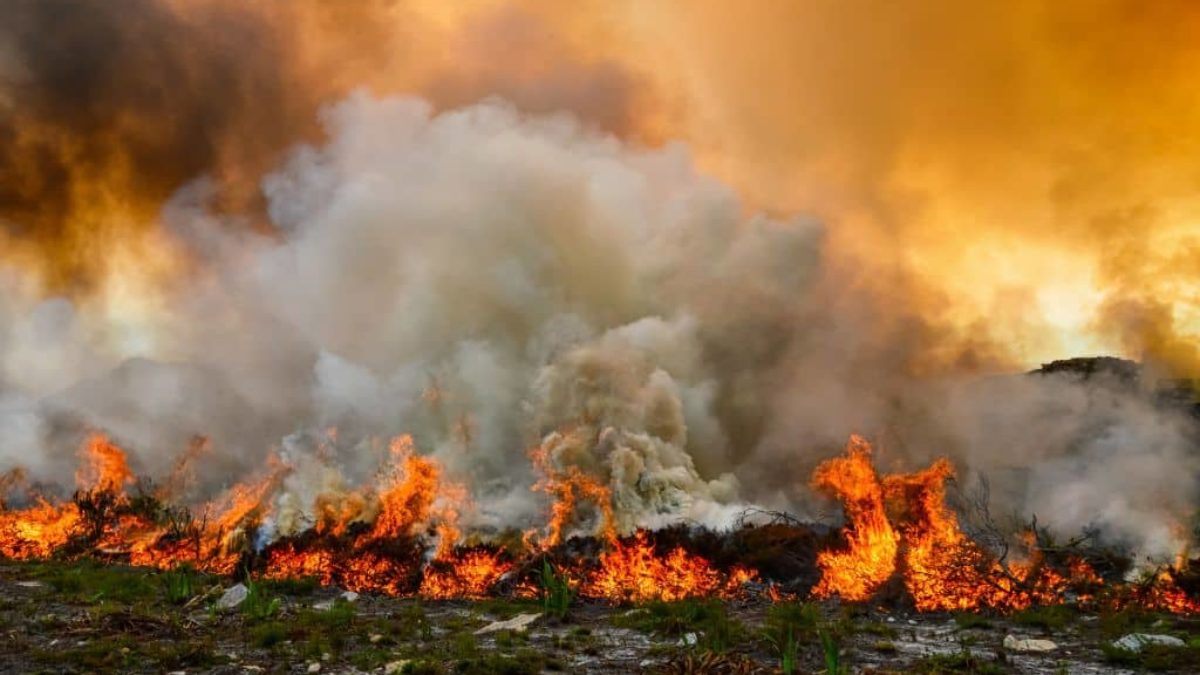
The alarming increase in wildfire incidents across various regions is causing a severe setback to forest recovery efforts. While fire can play a natural role in maintaining ecological balance, the frequency and intensity of wildfires are surpassing what ecosystems can endure. Factors such as climate change, poor forest management, and invasive species are exacerbating this situation, ultimately leading to a vicious cycle where forest regeneration becomes increasingly difficult. As forests struggle to recover between devastating blazes, their ability to foster biodiversity and regulate climate is significantly hampered.
Moreover, the implications of unchecked wildfires are profound not only for the flora but also for the fauna that depend on these habitats. Loss of habitat can lead to significant declines in wildlife populations, disrupting food chains and further endangering species already at risk. Important attributes of healthy ecosystems—including carbon storage, air and water purification, and soil fertility—are increasingly threatened. A study by leading environmental scientists highlights that failing to address the underpinnings of this wildfire crisis puts entire ecosystems at stake.
The Role of Climate Change in Escalating Wildfire Risks
The increasing frequency and intensity of wildfires around the globe can be partially attributed to the impacts of climate change. As temperatures rise and weather patterns shift, regions that were once less prone to wildfires are experiencing devastating blazes. Rising temperatures not only create a hotter and drier environment but also lead to longer fire seasons. Specifically, the following factors are exacerbating the wildfire situation:
- Extended Droughts: Prolonged periods of drought weaken vegetation, making it more susceptible to igniting and spreading fire.
- Changing Precipitation Patterns: Uneven rainfall can result in both excessive growth of flammable vegetation and sudden, intense fires when conditions turn dry.
- Increased Lightning Strikes: The warming climate has led to a rise in thunderstorms and lightning, sparking more wildfires.
In an alarming cycle, the destruction of forests not only contributes to atmospheric CO2 levels but also undermines the natural climate regulation functions of these ecosystems. Areas previously sheltered by dense tree cover face increased exposure to sun and wind, further drying out the landscape and creating a feedback loop of increased fire hazard. The following table outlines key statistics illustrating the relationship between climate dynamics and wildfire occurrences:
| Year | Average Temperature Increase (°C) | Wildfire Incidents |
|---|---|---|
| 2018 | +0.5 | 6,000 |
| 2019 | +0.7 | 8,500 |
| 2020 | +1.0 | 10,000 |
Innovative Strategies for Fire Prevention and Forest Management
Technological innovations, such as drone surveillance and satellite monitoring, have revolutionized how we track forest conditions and potential wildfire threats. These tools enable rapid responses to emerging fires and provide data-driven insights for effective resource allocation. Other innovative practices include community engagement initiatives that promote fire-safe landscaping, which encourages property owners to adopt fire-resistant plants and broader fuel reduction policies. Collaborative efforts between governmental agencies and local communities are proving crucial in building resilient landscapes equipped to withstand the devastating effects of wildfires.
Community Engagement and Policy Changes to Combat Wildfire Challenges
As the frequency and intensity of wildfires escalate, community engagement in local forest management becomes more crucial. Residents and stakeholders must band together to advocate for policies that empower proactive measures in managing forest resources. This collaboration can manifest in various ways, including:
- Creating community committees that focus on local wildfire prevention strategies.
- Organizing information sessions to educate residents about fire-safe practices and regulations.
- Partnering with local governments to develop neighborhood watch programs that monitor forest conditions.
- Implementing controlled burns and other ecological methods to maintain healthy ecosystems.
Policy changes are equally vital, as they can provide essential resources and frameworks to address the growing wildfire challenges. Legislators and policymakers are beginning to recognize the need for more robust wildfire management strategies, which may include:
| Policy Change | Description |
|---|---|
| Increased Funding | Allocate more resources for fire prevention and recovery initiatives. |
| Stricter Land Use Regulations | Implement zoning laws to reduce high-risk development in fire-prone areas. |
| Community Resilience Programs | Support training and resources for residents in high-risk zones. |
| Improved Infrastructure | Invest in firebreaks and vegetation management around communities. |
Q&A
Q&A: Increasing Wildfires Could Negate Effects of Forests on Climate Change
Q: What does the latest research suggest about the relationship between increasing wildfires and forest health?
A: Recent studies indicate that the surge in wildfires, exacerbated by climate change and forest management practices, may undermine the forests’ ability to act as carbon sinks. While forests typically absorb carbon dioxide, intense wildfires release significant amounts of carbon back into the atmosphere, potentially erasing years of carbon sequestration.
Q: How are wildfires influenced by climate change?
A: Climate change leads to warmer temperatures, prolonged droughts, and changes in precipitation patterns, all of which create conducive conditions for wildfires. The resultant dry vegetation becomes a major fuel source, increasing both the frequency and intensity of wildfires across various regions.
Q: What has been the observed impact of recent wildfires on forest ecosystems?
A: Wildfires can devastate large areas of forest, killing trees, damaging soil health, and disrupting local ecosystems. The destruction often leads to biodiversity loss, as many species are unable to survive in the altered habitat post-fire, further complicating forest recovery and ecological balance.
Q: Are there specific regions that are more affected by these trends?
A: Yes, regions such as the western United States, Australia, and parts of Southern Europe are experiencing more frequent and severe wildfires. These areas have seen dramatic shifts in fire regimes, with some ecosystems being ill-equipped to recover from such frequent disturbances.
Q: What strategies are being proposed to mitigate the impact of wildfires?
A: Experts recommend a multi-faceted approach that includes improving forest management practices, such as controlled burns and thinning excess vegetation, to reduce fuel loads. Additionally, enhancing community preparedness and response strategies, along with investing in advanced predictive technologies, are seen as essential measures to mitigate fire risks.
Q: What does this mean for global efforts to combat climate change?
A: The increasing threat of wildfires poses a significant challenge to global climate goals. If forests continue to lose their capacity to sequester carbon due to frequent wildfires, it could hinder efforts to limit global warming. It underscores the need for urgent action in both climate adaptation and forest management to ensure that these vital ecosystems can continue to play their role in carbon absorption.
Q: What can individuals do to contribute to forest preservation and wildfire prevention?
A: Individuals can help by advocating for sustainable land management policies, participating in community fire prevention programs, and supporting reforestation efforts. Additionally, being mindful of fire safety, avoiding open flames during dry seasons, and educating others about the importance of maintaining forest health can contribute to larger conservation efforts.
Closing Remarks
the escalating frequency and intensity of wildfires pose a significant threat to the efforts aimed at enhancing forest health and combating climate change. While forests play a crucial role in sequestering carbon and supporting biodiversity, the increasing incidence of devastating wildfires could undermine these benefits, leading to a cycle of destruction that exacerbates global warming. As researchers and policymakers grapple with this pressing issue, it is imperative to implement comprehensive strategies that not only mitigate the risk of wildfires but also prioritize the restoration and protection of our vital forest ecosystems. Without concerted action, the potential gains of reforestation and forest management efforts may be overshadowed by the looming specter of wildfires, emphasizing the urgent need for a holistic approach to environmental stewardship. The time for decisive measures is now, as the stakes have never been higher for our forests—and for the planet.


