


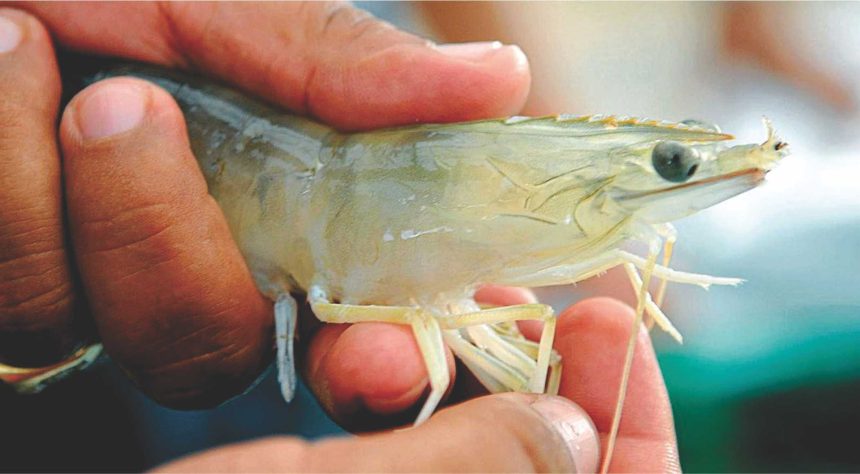
As the global demand for seafood continues to soar, India is emerging as a heavyweight contender in the aquaculture industry, particularly with its farm-raised shrimp. With expansive coastal regions and a favorable climate, the country has become a pivotal source of high-quality shrimp, appealing not only to domestic consumers but also to international markets. Amid increasing concerns over sustainability and environmental practices, Indian shrimp farmers are adopting innovative methods that promise to bolster both productivity and ecological responsibility.
This article explores the dynamics of India’s shrimp farming sector, the challenges it faces, and its significance in the context of global seafood supply chains. As consumers grow more discerning about their food sources, India’s shrimp industry is poised to make a splash in the world of aquaculture, raising crucial questions about sustainability, food security, and market expansion.
Table of Contents
- The Growth of the Farm Raised Shrimp Industry in India and Its Economic Impact
- Sustainable Practices in Indian Shrimp Farming: Balancing Profit with Environmental Responsibility
- Quality Assurance and Health Standards for Indian Farm Raised Shrimp: What Consumers Should Know
- Global Market Trends: Export Opportunities for Indias Farm Raised Shrimp Producers
- Q&A
- Future Outlook
The Growth of the Farm Raised Shrimp Industry in India and Its Economic Impact
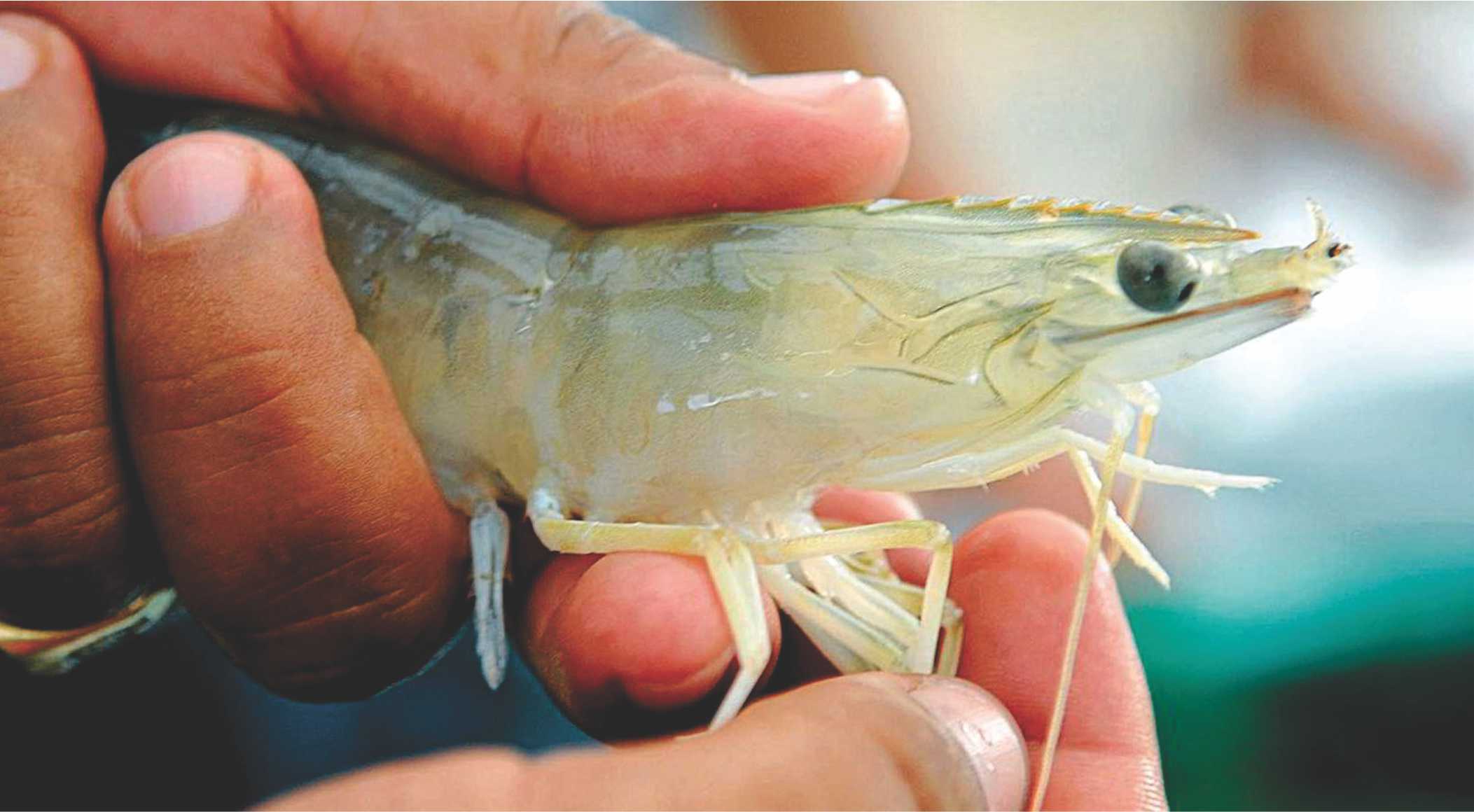
The farm-raised shrimp industry in India has seen remarkable growth over the past few years, transforming both local economies and the global seafood market. This expansion can be attributed to several factors, including improved aquaculture technologies, favorable government policies, and rising international demand for high-quality shrimp. The Indian shrimp sector now plays a crucial role in the country’s economy, contributing significantly to export revenues. In fact, India is one of the largest exporters of shrimp in the world, with the aquaculture sector estimated to be worth billions of dollars. This rapid growth has led to increased job opportunities, particularly in rural areas, and has empowered local communities through sustainable practices and knowledge transfer.
Moreover, the economic impact extends beyond direct benefits to farmers. The shrimp farming industry has stimulated ancillary sectors, such as feed production, processing, and logistics, creating a robust supply chain. Notably, the following advantages underscore this industry’s significance:
- Job Creation: Thousands of direct and indirect jobs have emerged in farming, processing, and distribution.
- Boost to Rural Economy: Increased income for farmers contributes to enhanced local economic stability.
- Sustainability Initiatives: Emphasis on sustainable practices promotes environmental responsibility.
A recent analysis of the shrimp industry indicates a steady increase in production efficiency and exports, reflecting its vital role in achieving economic growth targets and food security. The table below illustrates the upward trend in shrimp production over the years:
| Year | Shrimp Production (in Metric Tons) | Export Value (in Million USD) |
|---|---|---|
| 2018 | 600,000 | 1,500 |
| 2019 | 700,000 | 1,800 |
| 2020 | 800,000 | 2,200 |
| 2021 | 900,000 | 2,700 |
| 2022 | 1,000,000 | 3,000 |
Sustainable Practices in Indian Shrimp Farming: Balancing Profit with Environmental Responsibility
In addition to diversified farming techniques, compliance with internationally recognized sustainability certifications is gaining momentum among Indian shrimp producers. These certifications often require adherence to strict environmental standards that limit the use of chemicals and antibiotics. Many farmers are investing in advanced monitoring technologies to track water quality and shrimp health, ensuring they meet these standards while maintaining profitability. The table below illustrates the key benefits of adopting sustainable practices in shrimp farming:
| Benefits | Description |
|---|---|
| Environmental Protection | Minimizes negative impact on local ecosystems and promotes biodiversity. |
| Increased Profitability | Higher yields through efficient resource management and healthier shrimp stocks. |
| Market Demand | Growing consumer preference for sustainably sourced seafood enhances marketability. |
Quality Assurance and Health Standards for Indian Farm Raised Shrimp: What Consumers Should Know
As consumers increasingly choose Indian farm-raised shrimp for its flavor and versatility, understanding the quality assurance and health standards governing this industry becomes essential. The sustainability of shrimp farming practices in India has significantly improved, focusing on minimizing environmental impact while adhering to global safety regulations. Key standards include compliance with the Good Aquaculture Practices (GAqP), which ensure responsible farming methods and proper waste management. Additionally, shrimp farms are regularly inspected to meet certifications from bodies such as the Marine Stewardship Council (MSC) and Aquaculture Stewardship Council (ASC), which verify that operational protocols are followed to provide consumers with safe and high-quality seafood.
Consumers should also be aware of the health benefits linked to consuming shrimp, which is a rich source of protein and low in calories. Indian farm-raised shrimp typically undergo rigorous testing to exclude contaminants such as antibiotic residues and harmful microbes. Buyers can look for labels indicating that shrimp are sourced from certified farms, assuring them of quality and safety. Moreover, many farms are adopting practices to enhance the nutritional profile of their shrimp, focusing on feed quality and the overall health of the shrimp. By staying informed about these quality and health standards, consumers can make choices that align with their health goals while enjoying the culinary delights that Indian shrimp have to offer.
Global Market Trends: Export Opportunities for Indias Farm Raised Shrimp Producers
The global demand for sustainably farmed shrimp has surged, presenting a significant opportunity for India’s shrimp producers to expand their export market. Countries like the United States, Japan, and European nations are increasingly favoring shrimp sourced from environmentally responsible farms. India’s aquaculture practices, particularly those adhering to sustainability certifications such as ASC and BAP, are becoming more appealing to international buyers. With advancements in technology and farming methods, Indian shrimp producers can enhance both the quality and quantity of their output, further solidifying their position in the global market.
Additionally, trade agreements and reduced tariffs have opened new avenues for exporters. As consumer preferences shift towards health-conscious diets, there is a growing inclination towards high-protein, low-fat options, of which shrimp is a prime example. Key trends affecting the market include:
- Increased awareness of the health benefits of shrimp consumption
- Rising concerns about seafood sustainability
- Export regulations favoring traceable and certified products
To better understand the export potential, the following table outlines the projected growth rates in key markets for Indian shrimp:
| Market | Projected Growth Rate (2023-2025) |
|---|---|
| United States | 8% annually |
| European Union | 6% annually |
| Japan | 5% annually |
| Middle East | 7% annually |
Q&A
Q&A: Farm-Raised Shrimp from India
As demand for seafood rises globally, farm-raised shrimp from India is making headlines. In this Q&A, we explore the benefits, challenges, and environmental impact of this burgeoning industry.
Q1: What has driven the growth of the farm-raised shrimp industry in India?
A1: The growth of the farm-raised shrimp industry in India can largely be attributed to increasing global demand for seafood, particularly shrimp, which is one of the most sought-after seafood products worldwide. With advancements in aquaculture technology and farming practices, Indian shrimp exporters have capitalized on this demand, enhancing production capacity and improving the quality of their products.
Q2: What are the main species of shrimp being farmed in India?
A2: The most commonly farmed species in India is the Pacific white shrimp (Litopenaeus vannamei), which is prized for its rapid growth and good market value. Other species, such as the black tiger shrimp (Penaeus monodon), are also farmed, but in smaller quantities.
Q3: Can you explain the farming practices used in Indian shrimp farms?
A3: Indian shrimp farms generally employ intensive and semi-intensive farming practices. These include controlled breeding, water quality management, and the use of environmentally sustainable feed sources. Many farms are now adopting biosecurity measures and best management practices to reduce disease risks and ensure sustainable production.
Q4: What are the economic impacts of shrimp farming in India?
A4: Shrimp farming has significant economic impacts, particularly in coastal states like Andhra Pradesh and Tamil Nadu. It provides a livelihood for millions of farmers, laborers, and entrepreneurs, contributing substantially to export earnings. In recent years, shrimp has become one of India’s top seafood exports, enhancing rural economies and driving infrastructure development in these regions.
Q5: Are there environmental concerns associated with shrimp farming in India?
A5: Yes, environmental concerns do exist. Intensive shrimp farming can lead to habitat destruction, particularly the clearing of mangroves for ponds. Additionally, issues such as water pollution, overuse of antibiotics, and the threat to local biodiversity pose significant challenges. Increased regulatory scrutiny and the adoption of sustainable practices are critical to addressing these concerns.
Q6: What measures are being taken to enhance sustainability in shrimp farming?
A6: To enhance sustainability, many Indian shrimp farms are now seeking certifications such as the Aquaculture Stewardship Council (ASC) or Best Aquaculture Practices (BAP). These certifications require adherence to strict guidelines regarding environmental protection, food safety, and social responsibility. Furthermore, initiatives promoting integrated farming systems, where shrimp farming coexists with other agricultural practices, are gaining traction.
Q7: How do consumers perceive Indian farm-raised shrimp in global markets?
A7: Indian farm-raised shrimp has gained recognition for its quality and taste in global markets, particularly in the United States and Europe. However, there is a growing consumer preference for sustainably farmed seafood, which has put pressure on producers to adopt responsible practices. Transparency in sourcing and sustainability certifications play a crucial role in shaping consumer perceptions.
Q8: What does the future hold for shrimp farming in India?
A8: The future of shrimp farming in India looks promising, with potential for growth driven by technological advancements and increasing global demand. However, to sustain this growth, the industry must navigate regulatory challenges, environmental concerns, and market expectations for sustainability. Collaborations between farmers, government bodies, and environmental organizations will be essential in promoting best practices and ensuring the long-term viability of shrimp farming.
As the spotlight on the shrimp farming industry intensifies, stakeholders continue to explore ways to balance economic growth with environmental stewardship.
Future Outlook
farm-raised shrimp from India represents a significant player in the global aquaculture industry, offering both economic opportunities and sustainability challenges. As consumers increasingly seek ethically sourced seafood, the industry’s ability to adapt through improved farming practices and regulatory compliance will be crucial. While India’s shrimp farms are poised to meet rising global demand, the commitment to environmental stewardship and social responsibility must remain at the forefront. As the market evolves, stakeholders in the seafood supply chain—from farmers to retailers—must collaborate to ensure that the benefits of farm-raised shrimp are realized without compromising the health of ecosystems or the welfare of local communities. The future of this sector hinges not only on its growth but also on navigating the complexities of sustainability and consumer awareness. As we continue to monitor developments in this vital industry, it remains clear that the choices made today will shape the trajectory of farm-raised shrimp from India for generations to come.


