


In a significant move towards sustainability and innovation, Columbus, Ohio is poised to become a focal point for new wave energy management initiatives. As the city grapples with the pressing challenges of climate change and rising energy demands, local leaders and organizations are turning to cutting-edge technologies and strategies designed to optimize energy consumption and promote renewable sources.
This burgeoning sector not only aims to reduce the carbon footprint of the region but also promises economic growth and job creation, making it an essential component of Columbus’s long-term vision for a cleaner, greener future. As the Midwest embraces this pivotal transition, the eyes of energy policymakers, environmental advocates, and industry experts are keenly focused on how Columbus can lead the charge in reshaping the energy landscape.
Table of Contents
- Innovative Wave Energy Technologies Transforming Columbus Ohios Energy Landscape
- Challenges and Opportunities in Implementing Wave Energy Solutions
- Community Engagement and Stakeholder Involvement in Wave Energy Projects
- Future Outlook: Building a Sustainable Wave Energy Infrastructure in Columbus
- Q&A
- In Retrospect
Innovative Wave Energy Technologies Transforming Columbus Ohios Energy Landscape

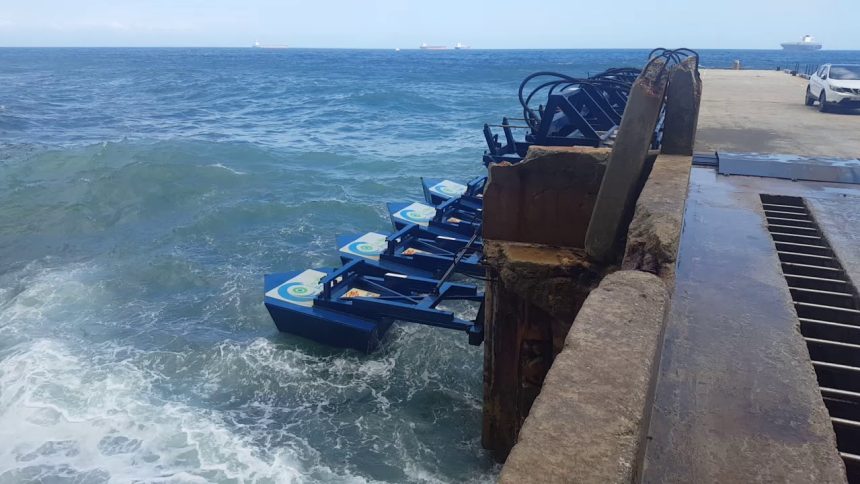
- Wave Energy Converters (WECs): Devices that capture energy from surface waves and convert it into usable electricity.
- Oscillating Water Columns: Systems that utilize the movement of water to drive air turbines, generating power.
- Buoy Technology: Floating units designed to move with water currents, optimizing energy capture efficiency.
The economic benefits of these technologies are significant. A recent study highlighted that investing in wave energy not only bolsters local employment opportunities but also enhances energy security as Columbus seeks to diversify its energy portfolios. Key economic indicators reflect this potential:
| Indicator | Projected Growth |
|---|---|
| Job Creation | 200-300 new jobs by 2025 |
| Energy Cost Reduction | 20% decrease by 2026 |
| Carbon Emission Reduction | 400,000 tons annually |
Challenges and Opportunities in Implementing Wave Energy Solutions
The implementation of wave energy solutions presents both significant challenges and promising opportunities for sustainability in Columbus, Ohio. One of the primary hurdles is the initial investment required to establish the necessary infrastructure. Cost-efficiency concerns often deter stakeholders from exploring these renewable resources. Additionally, the technological advancements needed for effective wave energy conversion are still evolving. Issues such as maintenance of equipment in harsh marine environments and ensuring consistent energy supply during fluctuating weather conditions complicate development.
However, the potential benefits of harnessing wave energy cannot be overlooked. Columbus stands to gain from local job creation in the green energy sector, stimulating economic growth. Furthermore, expanding into this area aligns with broader governmental policies aimed at reducing carbon footprints. The city’s unique geography, with its proximity to lakes and rivers, offers a strategic advantage in testing and deploying wave energy technologies. Engaging local communities and stakeholders through educational initiatives can also facilitate acceptance and drive innovation as Columbus seeks to pioneer in the realm of wave energy solutions.
Community Engagement and Stakeholder Involvement in Wave Energy Projects
Engaging the community and involving stakeholders are pivotal components in the success of wave energy initiatives in Columbus, Ohio. By facilitating dialogue with local residents, environmental groups, and government agencies, project leaders can address concerns and gather valuable insights that contribute to the project’s development. Community forums, public consultations, and workshops not only help in disseminating information but also empower citizens to voice their opinions, thus fostering a transparent decision-making process. The integration of community feedback can play a crucial role in refining project designs to align better with the environmental and social fabric of the area.
Stakeholder involvement extends beyond local residents to include a diverse range of participants such as universities, research institutions, and private investors. Through collaborative partnerships, stakeholders can leverage their resources and expertise to promote innovation while ensuring that wave energy projects are economically viable and environmentally sustainable. A recent outreach initiative highlighted the importance of collaboration; participants were encouraged to engage in discussions that cover:
- Local Economic Impacts: Potential job creation and local business opportunities.
- Environmental Considerations: Assessments of ecological impacts on marine life.
- Technological Advancements: Innovations in wave energy extraction and storage.
| Stakeholder Type | Engagement Tactics |
|---|---|
| Local Residents | Public meetings, Surveys |
| Environmental Groups | Workshops, Collaborations |
| Government Agencies | Regulatory consultations, Partnerships |
| Academic Institutions | Research partnerships, Knowledge sharing |
| Private Investors | Investment forums, Financial incentive programs |
Future Outlook: Building a Sustainable Wave Energy Infrastructure in Columbus
Columbus is poised to become a leader in wave energy management, thanks to a comprehensive plan that emphasizes innovation, collaboration, and sustainability. Local authorities are exploring partnerships with technology firms, research institutions, and community organizations to create a robust framework for harnessing the energy of nearby bodies of water. By initiating pilot projects, the city aims to demonstrate the viability of wave energy as a renewable resource, paving the way for larger investments and attracting new businesses focused on green technology. This concerted effort is not only expected to generate clean energy but also to create local jobs and boost the regional economy.
Key components of this initiative include:
- Infrastructure Development: Building state-of-the-art facilities for wave energy converters.
- Regulatory Framework: Establishing clear guidelines to ensure environmental protection while promoting energy innovation.
- Community Engagement: Involving residents in the planning process to increase awareness and support for wave energy projects.
- Investment Strategies: Attracting funding through public-private partnerships and grants aimed at renewable energy initiatives.
| Project Phase | Goals | Timeline |
|---|---|---|
| Phase 1 | Feasibility Studies | 2024 |
| Phase 2 | Pilot Installations | 2025-2026 |
| Phase 3 | Full-scale Deployment | 2027 onward |
This vision for wave energy in Columbus reflects a shift towards sustainable methodologies in urban planning, where renewable resources will not only sustain the environment but also enhance community resilience. By prioritizing scientific research and technological advancement, Columbus aims to set a precedent for other cities looking to integrate renewable energy sources into their infrastructure.
Q&A
Q&A on New Wave Energy Management in Columbus, Ohio
Q: What is new wave energy management, and how is it being implemented in Columbus, Ohio?
A: New wave energy management refers to innovative strategies and technologies aimed at optimizing energy consumption and integrating renewable resources. In Columbus, Ohio, local energy providers and city officials are collaborating to implement smart grid technologies, enhance energy efficiency in buildings, and promote renewable energy sources, such as solar and wind. The initiative aims to reduce greenhouse gas emissions and create a more sustainable energy future for the community.
Q: Who are the key players involved in Columbus’s new wave energy efforts?
A: Key players in Columbus’s energy management initiatives include the Columbus Division of Power, local businesses, universities, and non-profit organizations focused on sustainability. Partnerships with technology firms and research institutions are also central to developing and deploying new energy solutions throughout the city.
Q: What specific projects or initiatives are currently underway in Columbus?
A: Columbus is undertaking several significant projects as part of its new wave energy management approach. These include the installation of smart meters to monitor energy usage in real-time, retrofitting city buildings for improved energy efficiency, and developing community solar programs that allow residents to harness solar energy even if they don’t have suitable property for panel installation.
Q: How is this energy management plan expected to impact the local economy?
A: The energy management plan is anticipated to have a positive impact on the local economy by reducing energy costs for businesses and households, creating jobs in the renewable energy sector, and attracting investments in clean technology. Additionally, energy efficiency improvements can lead to significant savings that can be reinvested into the community.
Q: What are the environmental benefits associated with this initiative?
A: The new wave energy management initiative is expected to lead to a substantial decrease in carbon emissions, as it emphasizes renewable energy sources and energy efficiency. Improved air quality and reduced reliance on fossil fuels are major environmental benefits, aligning Columbus with broader state and federal goals for combating climate change.
Q: Are residents involved in this initiative, and how can they participate?
A: Yes, residents are encouraged to get involved in several ways. They can participate in community forums to learn more about energy efficiency, enroll in local solar programs, and take advantage of incentives for energy-saving home improvements. The city is also promoting educational outreach to raise awareness about sustainable practices and energy conservation at the household level.
Q: What challenges does Columbus face in implementing this new wave energy management?
A: Columbus faces several challenges, including securing adequate funding for large-scale projects, overcoming regulatory hurdles, and ensuring that all residents have access to the benefits of new technologies. Additionally, public awareness and engagement are critical to the success of these initiatives, as community buy-in can be a significant factor in achieving energy management goals.
Q: What does the future hold for energy management in Columbus?
A: The future for energy management in Columbus looks promising, with ongoing investments in infrastructure, technology, and community engagement. As initiatives unfold, city officials hope to position Columbus as a leader in sustainable energy practices and an example for other cities looking to implement similar programs. With continued focus and collaboration, Columbus aims to achieve its long-term sustainability and energy efficiency goals.
In Retrospect
As Columbus, Ohio, positions itself at the forefront of sustainable energy solutions, the emergence of innovative wave energy management practices underscores a broader commitment to environmental stewardship and economic resilience. By harnessing the untapped potential of wave energy, the city not only aims to diversify its energy portfolio but also to serve as a model for others seeking similar paths.
With ongoing investments in research and technology, coupled with strong community support, Columbus is poised to become a leader in this promising sector. The collaborative efforts between public entities, private companies, and research institutions indicate that the future of wave energy in Ohio could significantly contribute to both local job creation and a reduction in carbon emissions.
As we move forward, stakeholders must remain vigilant in addressing the challenges that accompany this industry, ensuring that the transition to wave energy is both effective and equitable. With the right strategies in place, Columbus has the opportunity to pioneer a new era of energy management, proving that sustainability and innovation can go hand in hand for the benefit of all.


