


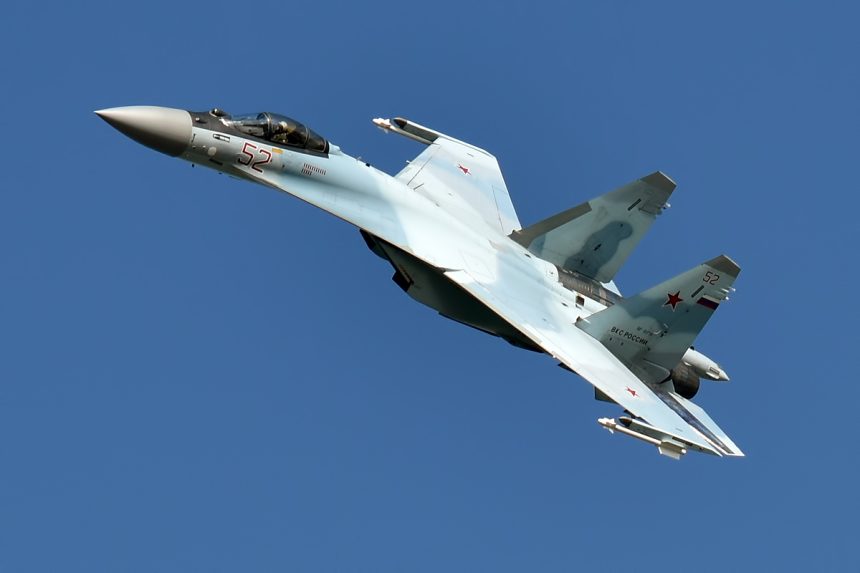
As global tensions continue to rise and military capabilities become a focal point of geopolitical strategy, the Russian Air Force’s inventory of advanced fighter jets has drawn significant attention. Among these aircraft, the Su-35 stands out for its cutting-edge technology and combat prowess. Designed to enhance Russia’s air superiority, the Su-35 is a multirole fighter that combines agility with advanced avionics, making it a valuable asset in the modern battlefield.
This article delves into the numerical strength of Russia’s Su-35 fleet, exploring its deployment, operational significance, and the broader implications for international security dynamics. What does the current count of these formidable aircraft reveal about Russia’s military ambitions? Join us as we unpack the facts surrounding the Su-35 and its role within the ever-evolving landscape of global defense.
Table of Contents
- Current Inventory of the Su-35 Fleet in Russia
- Capabilities and Strategic Importance of the Su-35 Fighter Jet
- Maintenance and Operational Challenges Facing the Su-35
- Future Prospects and Recommendations for Russias Air Power Strategy
- Q&A
- In Retrospect
Current Inventory of the Su-35 Fleet in Russia
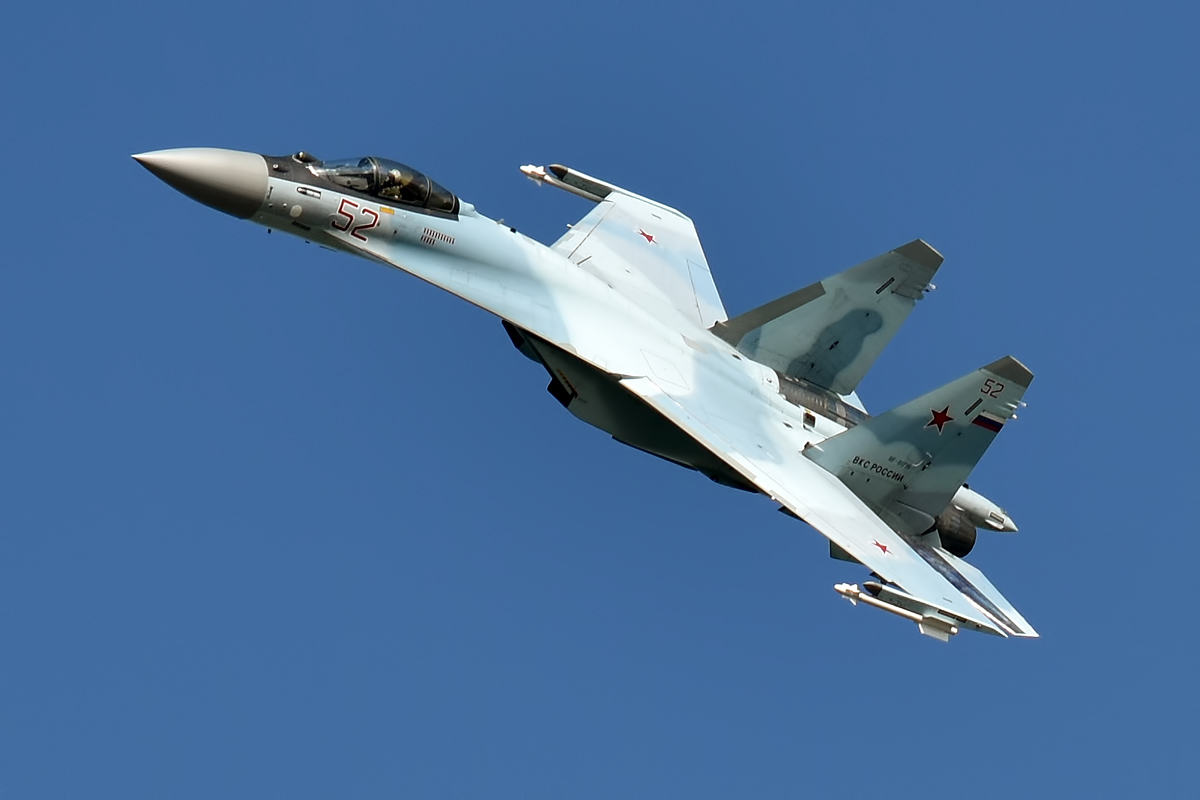
The Su-35, a modern multirole fighter jet, is a key component of the Russian Air Force’s tactical capabilities. As of 2023, Russia’s inventory stands robust, with a confirmed operational fleet of over 100 units. This figure includes various variants, primarily the Su-35S, which has been strategically integrated into the Armed Forces to enhance air superiority and ground support roles. The aircraft’s advanced avionics and superior maneuverability provide the Russian military with a significant competitive edge in both defensive and offensive operations.
Moreover, the Su-35 fleet is not merely a static asset; it is continually evolving through upgrades and maintenance programs. Recent reports indicate that many jets are being modernized to incorporate the latest technologies, ensuring they remain at the forefront of aerial combat capabilities. In addition, Russia has established a robust production pipeline, with future deliveries expected to maintain or even expand its fleet size, ensuring that the Su-35 remains a formidable adversary in contemporary military aviation.
Capabilities and Strategic Importance of the Su-35 Fighter Jet
The Su-35 fighter jet stands out as a technological marvel in modern aerial warfare, primarily due to its advanced avionics, superior maneuverability, and multirole capabilities. Equipped with the Irbis-E phased array radar, the Su-35 can track multiple targets simultaneously and engage both air-to-air and ground targets with remarkable precision. Its thrust-vectoring engines not only enhance its flight capabilities but also offer unparalleled agility in combat scenarios, making it a formidable opponent in dogfights. The aircraft’s extended range and payload capacity allow it to be deployed in diverse operational roles, from air dominance missions to ground support and anti-ship warfare.
Additionally, the strategic importance of the Su-35 extends beyond mere air combat. It serves as an integral component of Russia’s defense network and contributes significantly to its deterrence strategy. The aircraft is designed to operate effectively in various environments and conditions, and it incorporates stealth features that reduce its radar cross-section, thereby increasing its survivability against advanced missile systems. Moreover, its ability to engage adversaries at long ranges with precision-guided munitions enhances its role in projecting power and securing Russia’s interests in contested regions. As a result, the Su-35 not only strengthens the Russian Air Force but also plays a crucial role in shaping the balance of power in aerial warfare within the global arena.
Maintenance and Operational Challenges Facing the Su-35
Another challenge is the operational environment in which the Su-35 might find itself deployed. Conditions like extreme weather can significantly impact aircraft performance and require robust measures to protect sensitive electronics from moisture and corrosion. Moreover, the need for ongoing software updates to enhance the aircraft’s combat capabilities can place an additional strain on maintenance cycles. This underscores the importance of a well-coordinated logistics and support network to keep the fleet in optimal fighting condition. To better understand these challenges, a summary of potential maintenance and operational factors is outlined below:
| Challenge | Description |
|---|---|
| Maintenance Complexity | Advanced systems require specialized training for ground crews. |
| Spare Parts Availability | Logistical issues can hinder timely repairs and replacements. |
| Environmental Impact | Extreme weather can affect performance and require protective measures. |
| Software Updates | Ongoing updates can lead to increased downtime during maintenance. |
Future Prospects and Recommendations for Russias Air Power Strategy
The future of Russia’s air power strategy hinges on a careful assessment of its current capabilities and a strategic expansion to counter regional adversaries. With a fleet comprising an estimated over 100 SU-35 fighter jets, the Russian military must focus on enhancing both the technological advancements and the operational readiness of these aircraft. Critical areas include investing in advanced avionics, integrating stealth technologies, and refining pilot training programs to ensure a robust defense posture. Furthermore, maintaining a regular maintenance schedule and modernization initiatives for aging aircraft will be crucial in sustaining operational efficiency.
To position itself strategically in an increasingly competitive aerial landscape, Russia should consider establishing more cooperative defense arrangements with allied nations. Collaborative exercises can provide invaluable experience and help in the dissemination of tactical innovations. In addition, investing in additional procurement of the SU-57, alongside the SU-35, would diversify the aerial fleet and enhance multi-role capabilities. Some key recommendations include:
- Enhancing drone capabilities to complement manned operations.
- Fostering international defense collaborations for knowledge exchange.
- Implementing advanced training protocols to elevate pilot proficiency.
Q&A
Q&A: How Many Su-35 Fighter Jets Does Russia Have?
Q: What is the Su-35?
A: The Su-35 is a highly advanced multirole fighter jet developed by the Russian aerospace company Sukhoi. Known for its agility, long-range capabilities, and advanced avionics, the Su-35 is designed for various combat roles, including air superiority and ground attack.
Q: How many Su-35 fighter jets does Russia currently have in its fleet?
A: As of October 2023, it is estimated that Russia has approximately 100 operational Su-35 fighter jets. These aircraft are part of the Russian Armed Forces and have been increasingly employed in various military operations.
Q: When did Russia start inducting Su-35s into service?
A: The Su-35 entered service with the Russian Armed Forces in 2014. Since then, production has ramped up, with a series of contracts committing the Russian government to acquire more units.
Q: Have any Su-35s been deployed in combat situations?
A: Yes, the Su-35 has been deployed in various conflict zones, including the Syrian Civil War, where it has played a significant role in supporting Russian military operations. The jet has been used for air-to-air combat, ground strikes, and reconnaissance missions.
Q: What are the capabilities that make the Su-35 significant for Russia?
A: The Su-35 boasts several advanced features, including a thrust-vectoring engine, advanced radar systems, and versatile weaponry that enhances its effectiveness in both air combat and ground support. Its ability to perform maneuvers that exceed the capabilities of most Western fighters provides Russia with a tactical advantage.
Q: How does the number of Su-35s compare to other fighter jets in Russia’s arsenal?
A: While the Su-35 is one of the most advanced fighters in Russia’s fleet, it is part of a diverse array of military aircraft, including older models like the Su-27 and the more modern Su-57 stealth fighter. The Su-35 serves as the backbone of Russia’s air force capabilities, bridging the gap between legacy models and next-generation fighters.
Q: Are there any plans for Russia to increase its Su-35 fleet in the future?
A: Yes, Russia aims to expand its fleet of Su-35s further. Reports indicate that several additional orders are planned, alongside ongoing production meant to sustain the aircraft’s presence in the Russian military’s operations for years to come.
Q: How does the international community view Russia’s Su-35 fleet?
A: The international community, especially NATO countries, views the growing number of advanced Russian fighter jets with concern. The Su-35’s capabilities and Russia’s military activities have prompted discussions regarding air defense strategies among neighboring countries.
Q: Where can readers find more information about the Su-35?
A: For more information about the Su-35 and its role in the Russian military, readers can refer to defense analysis publications, military aviation journals, and official Russian military reports. Additionally, news outlets frequently cover developments regarding the aircraft in the context of global military dynamics.
In Retrospect
the SU-35 remains a pivotal component of Russia’s modern aerial arsenal. With estimates suggesting that the Russian Air Force operates around 100 to 120 of these advanced fighter jets, their role in enhancing the country’s military capabilities cannot be overstated. As geopolitical tensions continue to shape the global defense landscape, the deployment and upgrades of the SU-35 fleet will likely remain a focal point for military analysts. Understanding the numbers and the strategic implications of these aircraft is crucial for grasping the broader picture of Russia’s ambitions and regional power dynamics. As the situation evolves, ongoing assessments and updates will be essential for keeping pace with this significant aspect of modern warfare.


