


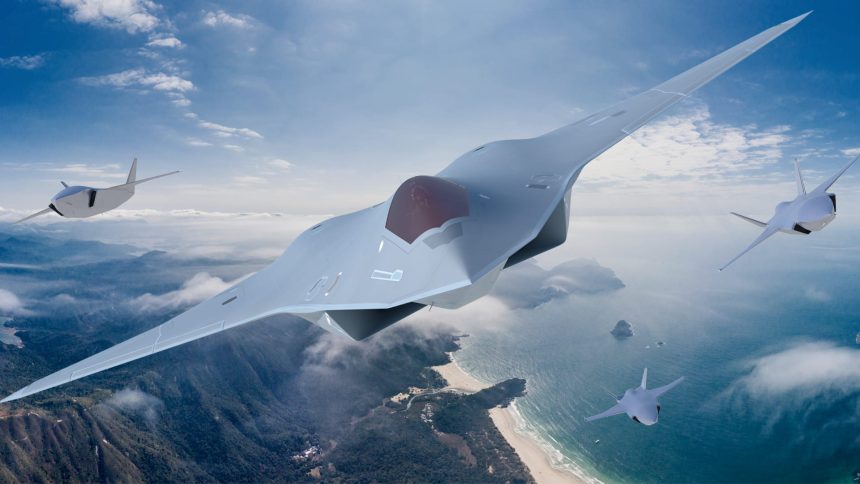
As nations around the globe accelerate their military modernization efforts, the race to develop the next generation of air superiority has entered a critical phase. The emergence of promises to redefine aerial combat with revolutionary advancements in stealth, speed, and technology. Unlike their predecessors, these next-generation aircraft will integrate cutting-edge artificial intelligence, enhanced networking capabilities, and an array of unmanned systems, pushing the boundaries of what is possible in aerial warfare.
As defense programs in the United States, Europe, and Asia unveil their ambitious plans, the world is watching closely. This article delves into the features, strategic implications, and the ongoing international competition surrounding , charting a course into the future of military aviation.
Table of Contents
- Emerging Technologies Transforming the Landscape of Sixth Generation Fighter Jets
- Strategic Implications of Sixth Generation Fighters in Modern Warfare
- Investment and Collaboration: Key to Advancing Sixth Generation Fighter Programs
- Navigating Challenges: Recommendations for Future Development and Integration
- Q&A
- To Conclude
Emerging Technologies Transforming the Landscape of Sixth Generation Fighter Jets
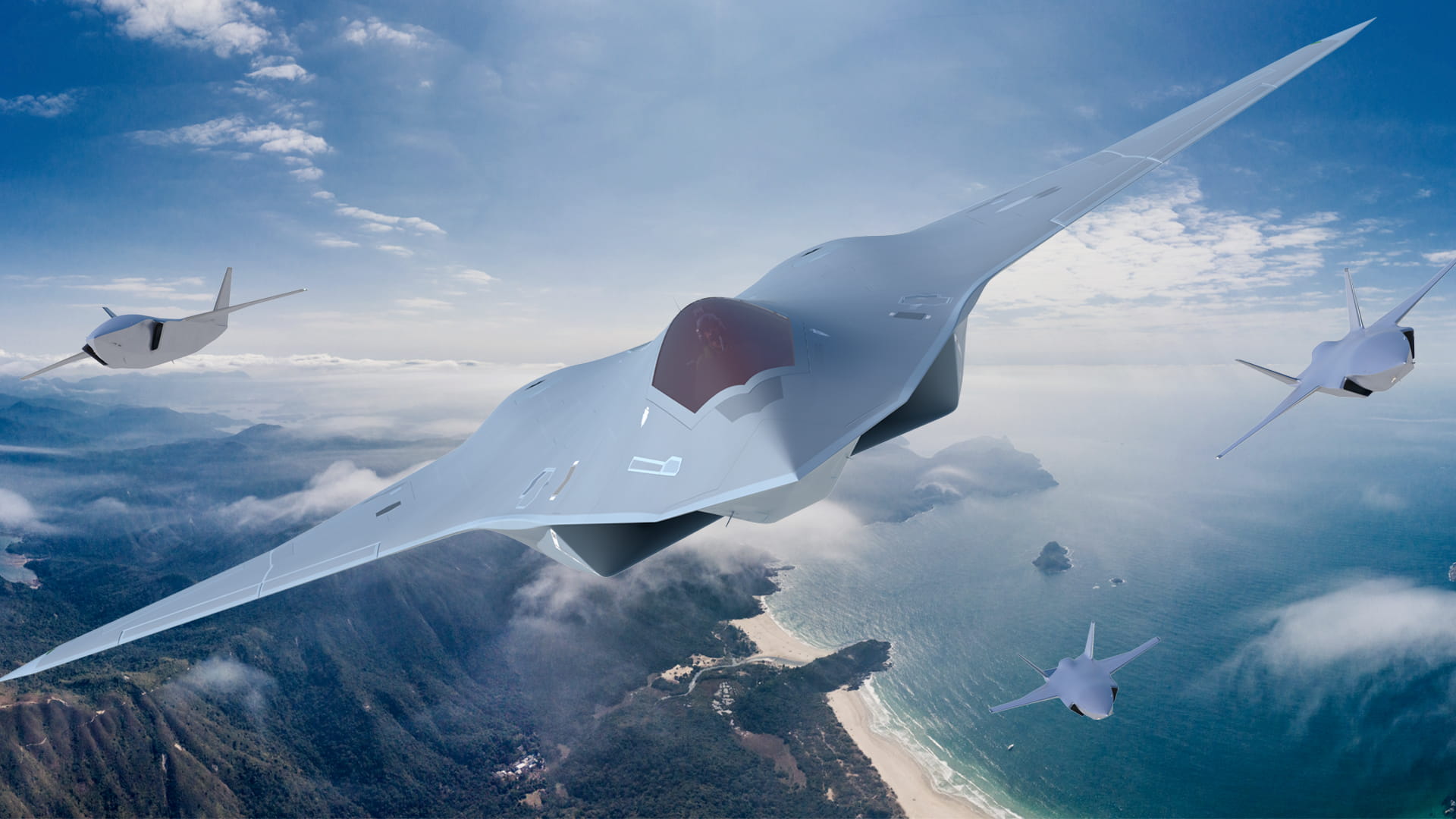
The future of aerial combat is being redefined by an array of cutting-edge innovations that push the boundaries of what sixth-generation fighter jets can achieve. These aircraft are not only designed for raw power and speed but are also equipped with advanced technologies that enhance their versatility and combat effectiveness. Artificial Intelligence (AI) plays a crucial role, enabling real-time data analysis and decision-making in high-stakes environments. This integration of AI allows for features such as autonomous flight capabilities, where jets can execute complex maneuvers with minimal human intervention, increasing the survivability of manned missions.
Moreover, the incorporation of stealth technology has reached new levels, ensuring that these jets remain undetectable to enemy radar systems. This is complemented by innovative sensor fusion, which consolidates information from multiple sources, granting pilots a comprehensive view of the battlefield. Notably, the use of hypersonic weapons marks a significant leap forward, offering unparalleled speed and lethality. The table below summarizes some key technologies shaping the next generation of air superiority:
| Technology | Description |
|---|---|
| Artificial Intelligence | Enhances decision-making and autonomy in combat scenarios. |
| Stealth Features | Reduces radar visibility to enhance survivability. |
| Sensor Fusion | Integrates data for a unified operational picture. |
| Hypersonic Weapons | Provides rapid strike capability at over Mach 5. |
Strategic Implications of Sixth Generation Fighters in Modern Warfare
The advent of sixth-generation fighter jets marks a pivotal shift in modern military strategy, pushing the boundaries of aerial combat and redefining how nations approach warfare. With capabilities that extend beyond mere air superiority, these advanced aircraft are designed to operate seamlessly within integrated multi-domain operations. They leverage autonomous systems, artificial intelligence, and enhanced sensor networks, providing a significant edge in reconnaissance, targeting, and combat effectiveness. The integration of systems such as directed-energy weapons and hypersonic missiles not only enhances offensive capabilities but also complicates enemy defense strategically, forcing adversaries to rethink their approaches to counterair operations.
As a result, nations investing heavily in sixth-generation technologies are likely to reshape alliances and global defense postures. The potential to engage in network-centric warfare means that nations can exploit real-time data sharing and collaborative combat scenarios, leading to a more agile and responsive military force. Furthermore, the advanced stealth and electronic warfare capabilities of these new jets encourage a paradigm shift in deterrence strategies. Key implications for modern militaries include:
- Enhanced situational awareness through integrated systems
- Greater operational flexibility in multi-domain conflicts
- The need for new tactical doctrines focused on rapid engagement
- Investment in countermeasures against emerging threats
Investment and Collaboration: Key to Advancing Sixth Generation Fighter Programs
As nations strive to maintain air superiority in an era of rapid technological advancement, investment in sixth-generation fighter programs has become paramount. These next-level jets promise unparalleled capabilities, including enhanced stealth, advanced avionics, and the integration of artificial intelligence to support decision-making processes. The complexity of these systems demands substantial financial backing, with estimates suggesting that development costs could soar into billions of dollars. Consequently, countries are increasingly exploring collaborative frameworks to mitigate individual financial burdens while fostering innovation across different defense industries.
Collaborative efforts can take many forms, operating through alliances, joint ventures, or through the pooling of resources and expertise. By leveraging the strengths of multiple nations, stakeholders can accelerate research and development timelines while ensuring a more seamless integration of diverse technologies. Key areas of focus in these partnerships often include:
- Shared Research Initiatives: Pooling R&D resources to explore cutting-edge technologies.
- Co-Production Agreements: Streamlining production capabilities to enhance cost-effectiveness.
- Data and Technology Exchange: Facilitating knowledge transfer to optimize fighter systems.
Notably, the collaboration surrounding sixth-generation fighters has the potential to set new standards within global defense, as nations work hand-in-hand to create an interoperable and formidable fleet capable of responding to emerging threats.
Navigating Challenges: Recommendations for Future Development and Integration
As the development of progresses, several key challenges must be addressed to ensure successful integration into existing military frameworks. Collaboration among nations is essential, fostering a robust exchange of ideas and technologies that could lead to innovative solutions. Stakeholders should consider the implications of integrating cutting-edge systems such as AI and enhanced stealth capabilities, while also prioritizing cyber-security measures to safeguard sensitive information. To this end, it’s vital to establish multi-national working groups that focus on:
- Standardization: Create uniform protocols for upgrades and maintenance.
- Interoperability: Ensure new systems can work effectively alongside current fleet.
- Training and Simulation: Develop comprehensive training programs to prepare pilots and ground crews.
The complexity of 6th generation fighter jet technology necessitates a strategic approach to funding and resource allocation. Securing a balanced budget that supports both research and operational capabilities will be critical to maintaining competitive edges in air defense. To facilitate this, an investment strategy focused on public-private partnerships can help share costs and foster innovation in the aerospace sector. Currently, we propose the following table highlighting potential investment areas:
| Investment Area | Potential Impact |
|---|---|
| AI Technologies | Enhanced decision-making and threat assessment. |
| Advanced Materials | Improved durability and weight reduction. |
| Cyber Defense | Protection against digital threats and breaches. |
Q&A
Q&A: Understanding 6th Generation Fighter Jets
Q1: What defines a 6th generation fighter jet?
A1: are the latest evolution in military aircraft design, incorporating advanced technologies and capabilities that surpass previous generations. Key features often include enhanced stealth, advanced avionics, artificial intelligence, improved networking and interoperability, and the ability to operate unmanned or in tandem with unmanned systems. Unlike their predecessors, these jets are designed for multi-domain operations, meaning they can seamlessly integrate with land, sea, air, cyber, and space operations.
Q2: Which countries are currently developing ?
A2: Numerous countries are actively developing 6th generation fighter programs. Notable players include the United States with the Next Generation Air Dominance (NGAD) program, the United Kingdom and Italy’s Tempest project, and France and Germany’s Future Combat Air System (FCAS). Additionally, Russia and China have indicated their ambitions to create similar advanced aircraft, potentially altering the dynamics of global air power.
Q3: How does the technology of 6th generation jets differ from that of 5th generation jets?
A3: While 5th generation jets, like the F-35 and F-22, emphasize stealth, super-cruise capability, and advanced avionics, 6th generation fighters take these features further. They are expected to utilize next-generation materials that provide enhanced stealth, advanced sensors for real-time data processing, and integration with artificial intelligence for improved decision-making. Furthermore, they will likely include options for unmanned combat capabilities, allowing them to act autonomously or in collaboration with human pilots.
Q4: What role will artificial intelligence play in these advanced aircraft?
A4: Artificial intelligence (AI) is anticipated to play a crucial role in . AI systems are being developed to enhance situational awareness, target recognition, and decision-making processes. These technologies can analyze vast amounts of data from multiple sources, allowing pilots to focus on execution rather than information overload. Additionally, AI could facilitate autonomous missions, potentially allowing jets to execute complex operations without direct human control.
Q5: How do experts view the strategic implications of ?
A5: Experts agree that could significantly reshape modern warfare. Their advanced capabilities may provide a competitive edge in air superiority and multi-domain operations. However, some analysts caution that this technological arms race could lead to increased tension among nations, as countries invest heavily in cutting-edge military technologies to avoid being outmatched. The balance of power could see notable shifts, particularly in regions with existing geopolitical strife.
Q6: What are the expected timelines for operational 6th generation jets?
A6: While development timelines can vary significantly, most defense analysts anticipate that the first operational will enter service in the late 2020s to early 2030s. For instance, the U.S. NGAD program and the UK’s Tempest are both projected for initial operational capabilities around that timeframe, although delays and budget constraints could push these dates further into the future.
Q7: What challenges face the development of ?
A7: Developing presents several challenges, including high costs, technological hurdles, and integration of new systems. As nations strive for cutting-edge performance, they must also ensure these advanced systems can communicate and operate alongside existing fleets. Additionally, addressing cybersecurity threats and ensuring complete reliability during autonomous operations will pose significant obstacles that developers must overcome.
Q8: What impact will have on future military conflicts?
A8: The introduction of is expected to influence future military conflicts by enhancing a nation’s ability to project power and maintain air dominance. Their advanced capabilities and integration into joint force operations mean that they could provide significant advantages in both offensive and defensive scenarios. However, the full impact will depend on how these technologies are employed in real-world combat situations and their effectiveness at countering emerging threats.
To Conclude
As the landscape of aerial warfare continues to evolve, emerge not merely as technological advancements but as pivotal components in the strategic frameworks of modern militaries worldwide. With innovations in stealth, sensor technology, and artificial intelligence, these next-generation aircraft promise to redefine combat effectiveness and operational flexibility. As nations invest heavily in their development, the race to deploy these futuristic fighters underscores a fundamental shift in defense priorities amid growing geopolitical tensions.
While the specifics of capabilities and deployment strategies remain closely guarded secrets, the push towards 6th generation technology reflects an urgent need for superiority in the skies. Countries like the United States, Europe, and China are at the forefront, each unveiling ambitious programs aimed at shaping the future of air dominance.
As we stand on the brink of this new era in military aviation, it is clear that will do more than just enhance existing fleets; they will reshape the doctrine of air combat itself. The implications of this technological shift will resonate not only in military circles but also in global geopolitics, as nations reassess their defense strategies in an increasingly complex and uncertain world. The skies may soon see a new breed of fighter capable of transcending traditional roles—pointing to a future where air superiority is a defining factor in national security.


