


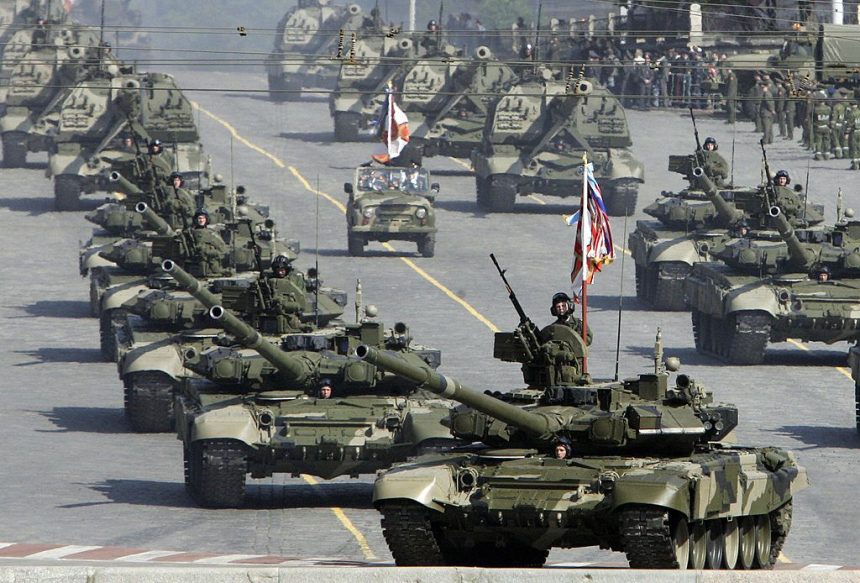
As global tensions escalate and the specter of geopolitical rivalry looms large, questions arise about the balance of power among the world’s most formidable military alliances. With China and Russia increasingly asserting their influence on the international stage, a critical inquiry emerges: can these two nations effectively challenge NATO, the longstanding alliance that has shaped security dynamics in Europe and North America since the Cold War?
This article explores the military capabilities, strategic ambitions, and potential vulnerabilities of both NATO and the Sino-Russian partnership, dissecting the implications of their interactions for global peace and security. As we delve into the complexities of these relationships, we aim to unravel the factors that could determine the outcomes of any potential confrontations and the future landscape of international relations.
Table of Contents
- Strategic Alliances: The Evolving Relationship Between China and Russia
- Military Capabilities: Analyzing Strengths and Weaknesses Against NATO
- Geopolitical Implications: The Global Balance of Power in a Potential Conflict
- Recommendations for NATO: Strengthening Deterrence and Unity in the Face of New Threats
- Q&A
- In Retrospect
Strategic Alliances: The Evolving Relationship Between China and Russia
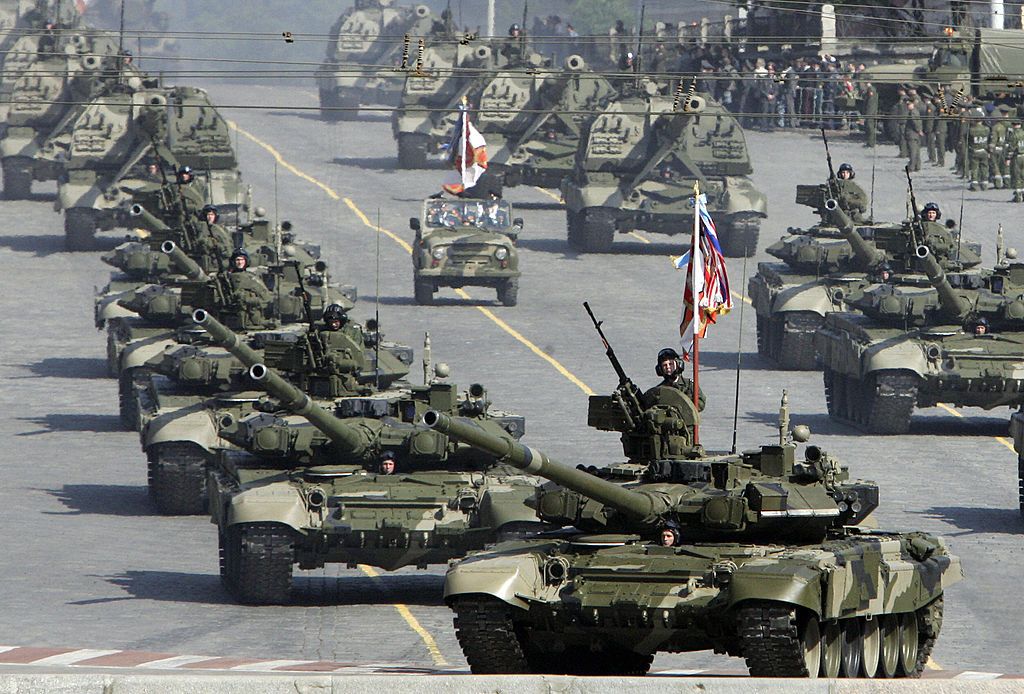
- Economic Interdependence: Joint infrastructure projects like the Power of Siberia gas pipeline and growing trade relations reinforce their economic ties.
- Military Exercises: Regular joint military drills demonstrate their expanded defense cooperation, enhancing their operational capabilities.
- Geopolitical Strategy: Both nations share a goal of countering Western influence, particularly in Central Asia and the Pacific.
Moreover, this evolving relationship has prompted questions about the balance of power in the global arena. With the recent intensification of NATO’s military presence in Eastern Europe, China and Russia have found common ground in various international forums, allowing them to align their positions on critical issues. The support networks are growing, as evidenced by:
| Collaboration Area | Significance |
|---|---|
| Energy Security | Reducing dependency on Western oil and gas markets. |
| Cybersecurity | Joint efforts to counteract cyber threats primarily attributed to NATO countries. |
| Political Support | Backing each other in international organizations like the UN. |
Military Capabilities: Analyzing Strengths and Weaknesses Against NATO
On the other hand, Russia maintains a powerful ground force complemented by significant nuclear arsenals, which serve as a deterrent against NATO’s actions in Eastern Europe. Despite this, Russia’s military structure faces challenges such as aging equipment, economic constraints limiting modernization efforts, and the difficulty of sustaining operations over extensive distances. Additionally, while Russia has shown competence in hybrid warfare, combining conventional and unconventional tactics, its reliance on these methods suggests a critical weakness: prolonged engagements may expose the limitation of its conventional forces. This duality of capabilities and vulnerabilities presents a complex landscape when analyzing the potential outcomes of a confrontation with NATO.
Geopolitical Implications: The Global Balance of Power in a Potential Conflict
The potential for conflict between China, Russia, and NATO raises numerous questions about the current global balance of power. Both China and Russia have increasingly sought to strengthen their military and economic alliances, presenting a united front against Western influence. As these two nations cooperate more strategically, the West must reconsider its approaches to diplomacy, intelligence sharing, and defense readiness. The growing authoritarianism in both regions evokes concerns that a strengthened Sino-Russian partnership could undermine established international norms and disrupt geopolitical stability in critical areas such as Europe and Asia.
In light of shifting alliances and military posturing, it is crucial to evaluate the strategic advantages each side holds. Key factors in this equation include:
- Military Capabilities: Understanding the technological advancements and troop logistics of both alliances.
- Economic Cohesion: Examining trade relationships and economic sanctions that could influence wartime support.
- Geographic Considerations: Evaluating the strategic territories that could serve as battlegrounds or support bases.
To provide a clearer picture of this geopolitical landscape, consider the following comparative table highlighting critical military expenditures:
| Country | Military Expenditure (USD in Billion) | Active Military Personnel |
|---|---|---|
| China | 250 | 2,000,000 |
| Russia | 65 | 1,000,000 |
| NATO (Collective) | 1,000+ | 3,400,000+ |
This preliminary analysis shows that while China and Russia possess significant military capabilities, NATO’s combined resources remain formidable, complicating any potential direct conflict scenario. The ramifications of these dynamics extend beyond military strength, as economic interdependencies and diplomatic negotiations will play a crucial role in shaping the future of international relations.
Recommendations for NATO: Strengthening Deterrence and Unity in the Face of New Threats
To address the evolving geopolitical landscape shaped by challenges from both Russia and China, NATO must prioritize strategic initiatives aimed at bolstering its deterrence capabilities and cohesion among member states. Key recommendations include:
- Enhanced Military Readiness: Member nations should commit to increasing defense spending to meet the benchmark of 2% of GDP, ensuring military forces are prepared to respond swiftly to any aggression.
- Cybersecurity Investments: Given the rising prevalence of cyber warfare, NATO should invest significantly in strengthening its cyber defenses and establish joint cyber units among allies.
- Interoperability Exercises: Conducting regular multinational training and exercises that focus on joint operations can enhance the efficiency and effectiveness of NATO’s collective response strategy.
Furthermore, fostering unity among member states is crucial. Strategies for promoting solidarity include:
- Diplomatic Engagement: Initiating dialogue with neutral countries to mitigate tensions and foster a broader understanding of NATO’s mission and objectives.
- Public Awareness Campaigns: Engaging in campaigns that emphasize the importance of collective defense, enhancing public understanding and support for NATO initiatives.
- Shared Intelligence Platforms: Establishing enhanced intelligence-sharing mechanisms can empower NATO countries to respond more effectively to threats.
Q&A
Q&A: Can China and Russia Defeat NATO? A Closer Look at Military Dynamics
Q: What are the current relations between China, Russia, and NATO?
A: Relations between China, Russia, and NATO have become increasingly tense in recent years. While NATO, a military alliance of 30 North American and European countries, has expressed concerns over China’s military expansion and Russia’s aggressive actions in Europe, both China and Russia have sought to bolster their strategic partnership amidst growing Western opposition. This trilateral dynamic has fueled debates about military capabilities and potential conflicts.
Q: What are the military strengths of China and Russia?
A: Both China and Russia possess significant military capabilities. China has the largest standing army in the world and has made substantial investments in modernizing its forces, including advanced missile systems, naval power, and cyber warfare capabilities. Russia, on the other hand, maintains a robust nuclear arsenal and has demonstrated its military effectiveness through recent conflicts in Georgia, Crimea, and Syria. Additionally, both countries are investing in new technologies like hypersonic weapons and artificial intelligence.
Q: How does NATO’s military capability compare?
A: NATO collectively possesses a substantial military advantage in terms of resources, technology, and logistics. NATO members have advanced military assets, including sophisticated air defense systems, aircraft carriers, and a strong global presence. In terms of numbers, NATO’s combined defense spending far exceeds that of China and Russia, which allows for comprehensive training exercises and rapid deployment capabilities.
Q: Could China and Russia coordinate effectively against NATO?
A: While China and Russia have strengthened their cooperation through joint military exercises and diplomatic dialogue, significant challenges remain. Differences in strategic priorities, geographic distances, and regional commitments could hinder effective collaboration in a high-stakes conflict with NATO. Moreover, historical tensions between China and Russia also cast doubts on the depth of their alliance.
Q: What would be the implications of a potential conflict involving NATO, China, and Russia?
A: A conflict involving NATO, China, and Russia would have dire implications not just for the belligerents but for global stability. The potential for escalation involving nuclear powers cannot be underestimated. Additionally, such a conflict would likely lead to economic repercussions as global markets react to rising tensions, supply chain disruptions, and possible sanctions.
Q: Is it realistic to consider a military defeat of NATO by China and Russia?
A: While military analysts emphasize that any conflict scenario is complex and factors such as geography, alliances, and logistics play pivotal roles, NATO’s established defense posture and collective military might make outright defeat unlikely. However, vulnerabilities exist, particularly in hybrid warfare and cyber capabilities, where China and Russia excel. Experts suggest that the outcome of any confrontation would depend heavily on strategic decision-making and international response.
Q: What steps are being taken to prevent conflict?
A: Diplomatic efforts continue on various fronts to reduce tensions. NATO has emphasized dialogue and transparency while bolstering its defense measures. Both China and Russia have articulated their desire to avoid direct confrontation, seeking instead to assert their influence without provoking dangerous escalation. International forums for discussion and conflict resolution remain crucial in managing these complex relationships.
Conclusion:
While the question of whether China and Russia can defeat NATO involves numerous military and geopolitical factors, the consensus among analysts is that any potential conflict would be highly complicated and fraught with peril for all parties involved. Ongoing diplomatic efforts are essential to avoid escalation and build a framework for coexistence in a rapidly changing global landscape.
In Retrospect
the prospect of China and Russia successfully confronting NATO remains a topic of intense speculation among military analysts and geopolitical experts. While both nations have demonstrated advancements in their military capabilities and strategic partnerships, significant challenges persist. The formidable collective defense mechanisms of NATO, bolstered by extensive resources and technological superiority, create a complex battleground for any potential confrontation. Moreover, the economic ramifications and global political dynamics further complicate the scenario. As tensions persist and alliances evolve, the interplay between these powerful nations will undoubtedly continue to shape the international landscape. The world watches closely, aware that the balance of power depends not only on military might but also on diplomacy and cooperation in an interconnected global order.


