


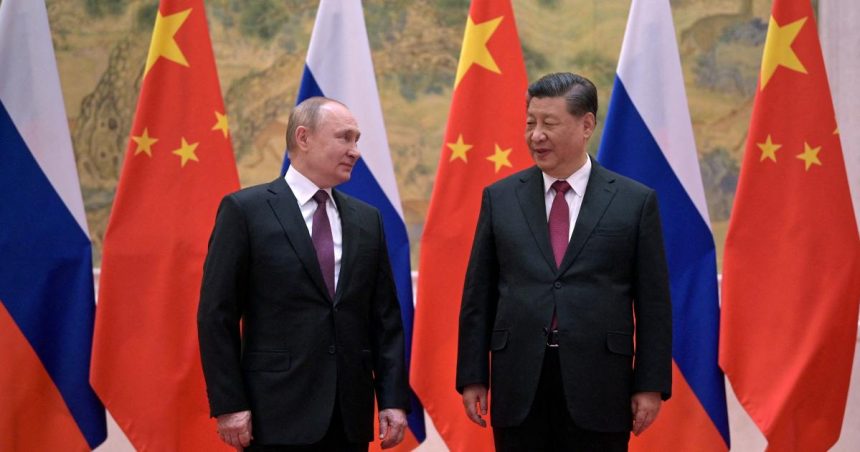
In an increasingly multipolar world, the dynamics of global power are shifting, raising critical questions about the future of international relations. As China and Russia strengthen their strategic partnership, the focus turns to the United States, which has long dominated the geopolitical landscape. Recent military advancements, economic strategies, and diplomatic maneuvers by Beijing and Moscow have led analysts to ponder: can these two nations unite effectively to challenge U.S. supremacy?
This article delves into the complexities of this evolving triangle, examining military capabilities, economic interdependencies, and the implications for global stability. As tensions rise and alliances are tested, understanding the potential outcomes of this geopolitical rivalry is more crucial than ever.
Table of Contents
- Assessing Military Capabilities: A Comparative Analysis of US, China, and Russia
- Geopolitical Strategies: How Alliances Shape the Balance of Power
- Economic Factors: The Role of Sanctions and Resource Management in Global Conflict
- Future Scenarios: What a Potential Conflict Might Mean for Global Stability
- Q&A
- Future Outlook
Assessing Military Capabilities: A Comparative Analysis of US, China, and Russia
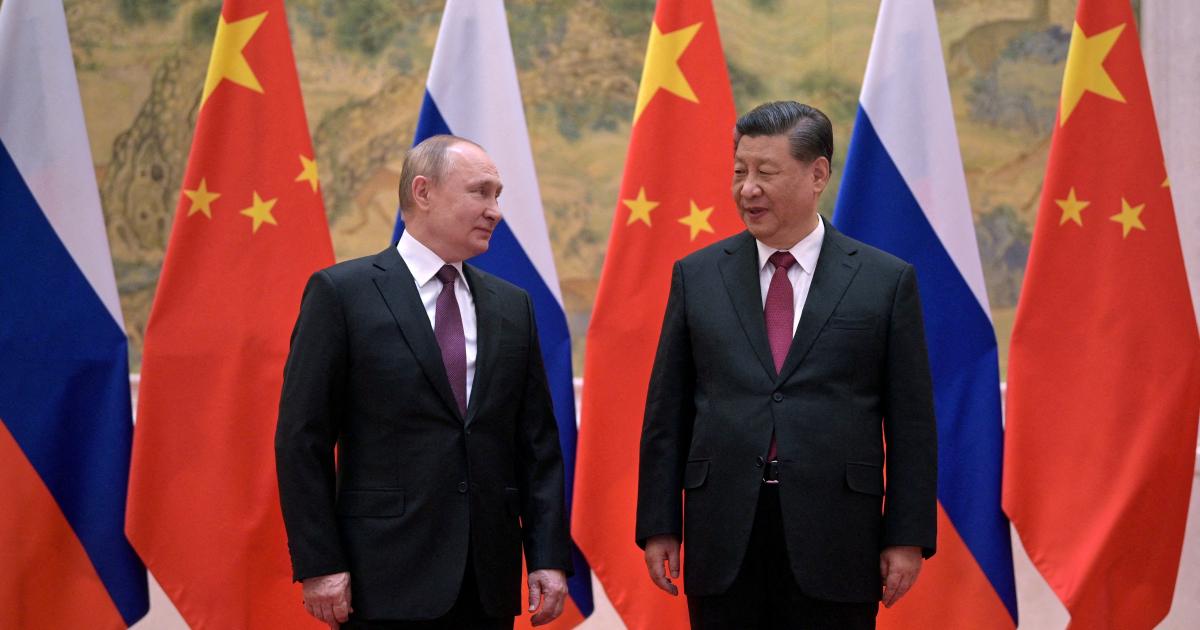
In the complex landscape of global military power, a comparative analysis of the United States, China, and Russia illustrates the distinct strengths and weaknesses of each nation’s armed forces. The US retains a technological edge, benefiting from advanced research and development, robust defense infrastructure, and a vast network of international alliances. Key elements that bolster US military capabilities include:
- Technological Innovation: Continuous investment in cutting-edge technology, including cyber capabilities and satellite warfare.
- Global Presence: Military bases and partnerships across various continents ensure rapid response capabilities.
- Nuclear Deterrence: An extensive nuclear arsenal serves as a critical deterrent against potential adversaries.
Conversely, both China and Russia have made significant strides in military modernization, focusing on asymmetrical warfare tactics and enhancing their regional influence. China’s military growth has been marked by remarkable advancements in naval capabilities, making significant investments in aircraft carriers and submarines. Similarly, Russia emphasizes its strength through the development of hybrid warfare strategies and formidable land forces. Notable features of these competing military models include:
- Rapid Expansion: China’s expansion of its military budget and capabilities positions it as a significant challenger.
- Strategic Messaging: Russia’s emphasis on military exercises and public displays of force aims to project power and deter potential threats.
- Cyber Warfare: Both countries are enhancing their cyber-espionage tactics, targeting critical infrastructure globally.
Geopolitical Strategies: How Alliances Shape the Balance of Power
- Military Cooperation: Joint military exercises and technology sharing enhance the capabilities of allied forces.
- Economic Alliances: Trade agreements that strengthen ties between nations can fortify economic resilience against sanctions and pressures.
- Political Support: Diplomatic backing in international organizations can sway voting blocs and influence global policy.
As alliances evolve, the question of whether China and Russia can consolidate enough power to challenge U.S. supremacy becomes more complex. Their collaboration involves not only military endeavors but also shared economic interests that counterbalance U.S. influence. Notably, the establishment of trade routes like the Belt and Road Initiative exemplifies China’s strategy to extend its reach. A comparative analysis of military investments highlights these nations’ pursuits in modernizing their arsenals, as illustrated in the table below:
| Country | Military Expenditure (USD Billions) | Year-on-Year Growth (%) |
|---|---|---|
| United States | 778 | 2.6 |
| China | 252 | 6.8 |
| Russia | 65 | 4.7 |
Economic Factors: The Role of Sanctions and Resource Management in Global Conflict
The intricate interplay between sanctions and resource management has increasingly become a focal point of global conflict, particularly as the United States and its adversaries, such as China and Russia, maneuver through complex geopolitical landscapes. Sanctions serve as economic tools designed to impose penalties on nations for various actions, often hindering their economic growth and strategic capabilities. Over the years, the U.S. has employed these measures extensively against both nations, aiming to weaken their influence on the global stage. However, both China and Russia have shown resilience, developing strategies to mitigate the impacts of sanctions through innovative resource management techniques and seeking alternative markets for their goods and services.
Resource management has emerged as a crucial component in sustaining national strength amid external pressures. For instance, both countries have invested in strengthening their domestic industries and enhancing bilateral trade relationships with countries resistant to U.S. influence. This approach helps in circumventing sanctions and securing essential resources. As the competition heats up, the ability of China and Russia to effectively manage their resources will determine their long-term strategic viability. Countries embroiled in sanctions must prioritize:
- Alternative supply chains: Establishing routes that do not rely on Western economies.
- Technological innovation: Diversifying their industries to reduce dependence on foreign technology.
- Strategic alliances: Forming partnerships with other nations to bolster economic and military strength.
As the dynamics of global conflict continue to evolve, the effectiveness of sanctions and the ability to manage resources will remain pivotal in shaping the balance of power. Observers of international relations will keenly watch how these factors influence the trajectories of the U.S., China, and Russia in the coming years, as each nation navigates the challenges of an increasingly multipolar world.
Future Scenarios: What a Potential Conflict Might Mean for Global Stability
As tensions rise between global superpowers, the prospect of a potential conflict involving China, Russia, and the USA looms larger. Should such a confrontation occur, the implications for global stability could be profound. Key factors that may influence the outcome include:
- Military Capabilities: The technological advancement and strategic positioning of military assets play a crucial role in determining which side holds the upper hand.
- Alliances and Partnerships: The support of allied nations could tip the balance of power, creating a complex web of diplomacy and conflict.
- Economic Sanctions: Sanctions may significantly impact operational capabilities and morale, demonstrating that warfare extends beyond mere military confrontation.
Moreover, should these nations engage in conflict, it is likely that the consequences would extend far beyond their borders. The interconnectedness of the global economy means that even localized conflicts could trigger widespread turmoil, leading to outcomes such as:
| Potential Outcomes | Description |
|---|---|
| Economic Recession | Global markets may plummet, affecting trade and investment worldwide. |
| Humanitarian Crisis | Escalating military actions could lead to significant casualties and displacement. |
| Shift in Power Dynamics | New global leaders may emerge, reshaping international relations and governance. |
Q&A
Q&A: Can China and Russia Defeat the USA?
Q1: What recent events have heightened concerns about the potential military capabilities of China and Russia against the USA?
A1: Recent events such as military exercises, strategic alliances, and increased defense spending by both China and Russia have raised alarms. In recent months, joint military drills between the two nations and coordinated diplomatic efforts have suggested a closer partnership that could challenge U.S. interests globally. Additionally, advancements in military technology, particularly in areas like cyber warfare and missile development, have added to the unease.
Q2: What are the key military strengths of China and Russia that could pose a threat to U.S. military dominance?
A2: China boasts one of the largest standing military forces in the world, with significant investments in modernization, naval expansion, and advanced missile systems, including anti-access/area denial (A2/AD) capabilities, which complicate U.S. operations in the Asia-Pacific region. Russia, on the other hand, has a highly advanced arsenal of nuclear weapons and has demonstrated its capability in hybrid warfare, as seen in conflicts in Ukraine and Syria. Both nations are investing heavily in cyber capabilities, which could disrupt U.S. operations and infrastructure.
Q3: How do the economic capabilities of China and Russia compare to that of the U.S.?
A3: The U.S. has the largest economy in the world, which enables it to maintain a significant defense budget and invest in cutting-edge technologies. China has the second-largest economy and is rapidly expanding its global influence through initiatives like the Belt and Road Initiative, but it faces domestic economic challenges, including a declining birth rate and an aging population. Russia, while rich in natural resources, faces international sanctions and economic stagnation, making it less capable of sustaining long-term military engagements compared to the U.S.
Q4: Are there any existing alliances or partnerships that China and Russia rely on in a potential conflict with the USA?
A4: Both nations have sought to strengthen their military and political alliances. The Shanghai Cooperation Organization (SCO) and the BRICS grouping—comprising Brazil, Russia, India, China, and South Africa—showcase their attempts to forge solidarity against perceived U.S. hegemony. Additionally, China has been boosting ties with countries in Africa, Latin America, and Asia, while Russia has used its influence in post-Soviet states and the Middle East to counterbalance U.S. presence.
Q5: What challenges do China and Russia face in coordinating a military strategy against the USA?
A5: Coordination between China and Russia is complicated by their historical rivalries and differing national interests. While they align on opposing U.S. global dominance, their agendas can conflict, especially in regions like Central Asia and the Arctic. Operationally, joint military actions could be hindered by differences in command structures, military doctrines, and logistical capabilities. Additionally, U.S. alliances with NATO and other partners could complicate their strategic calculations.
Q6: How does the U.S. respond to the threat posed by China and Russia?
A6: The U.S. has implemented a multi-faceted strategy that includes increasing military presence in strategic regions, strengthening alliances such as NATO and partnerships in the Indo-Pacific, and investing in new technologies like artificial intelligence and missile defense systems. Furthermore, the U.S. is enhancing its cyber defense and offensive capabilities to counter threats from both nations. Diplomatic efforts also continue to mitigate tensions and encourage a rules-based international order.
Q7: can China and Russia realistically defeat the USA in a military confrontation?
A7: While China and Russia have made strides in military capability and strategic cooperation, defeating the USA in a direct military confrontation remains a formidable challenge. The U.S. maintains significant technological and operational advantages, backed by a robust network of allies. Ultimately, any conflict would likely lead to catastrophic consequences for all involved, leading many experts to advocate for diplomatic solutions over military engagements. The dynamics of modern warfare increasingly favor deterrence and stability rather than outright conflict.
Future Outlook
while the question of whether China and Russia can defeat the United States remains a complex and multifaceted issue, it is clear that the dynamics of global power are shifting. Both nations have demonstrated significant military advancements and strategic cooperation, yet the U.S. continues to wield considerable influence through its robust alliances and technological prowess.
The interplay of economic strength, military readiness, and diplomatic relations will undoubtedly shape the future landscape of international relations. As tensions rise and alliances are tested, the world watches closely. The outcome of this geopolitical chess match remains uncertain, but one thing is clear: the quest for supremacy will continue to define the 21st century, with potential implications that could reshape the global order for decades to come.


