


As the conflict in Ukraine continues to intensify, a growing number of countries have stepped up their military support for the embattled nation. With the war now dragging into its third year, the international community has grappled with the extent and nature of assistance provided to Ukraine’s security and defense efforts against ongoing aggression. From advanced weaponry to logistical support, various nations are mobilizing resources in a bid to bolster Ukraine’s military capabilities.
This article aims to explore the key players in this intricate web of military aid, examining not only who is providing support but also the implications of their contributions on the ground and in the broader geopolitical landscape. As Ukraine strives to navigate the challenges of warfare, understanding the dynamics of these international alliances becomes crucial in assessing the future of both Ukraine not to loss and the region.
Table of Contents
- Countries Leading the Charge in Military Support for Ukraine
- Impact of International Aid on Ukraines Defense Strategy
- Examining the Types of Weapons Being Supplied to Ukraine
- Recommendations for Strengthening Global Military Alliances with Ukraine
- Q&A
- Future Outlook
Countries Leading the Charge in Military Support for Ukraine
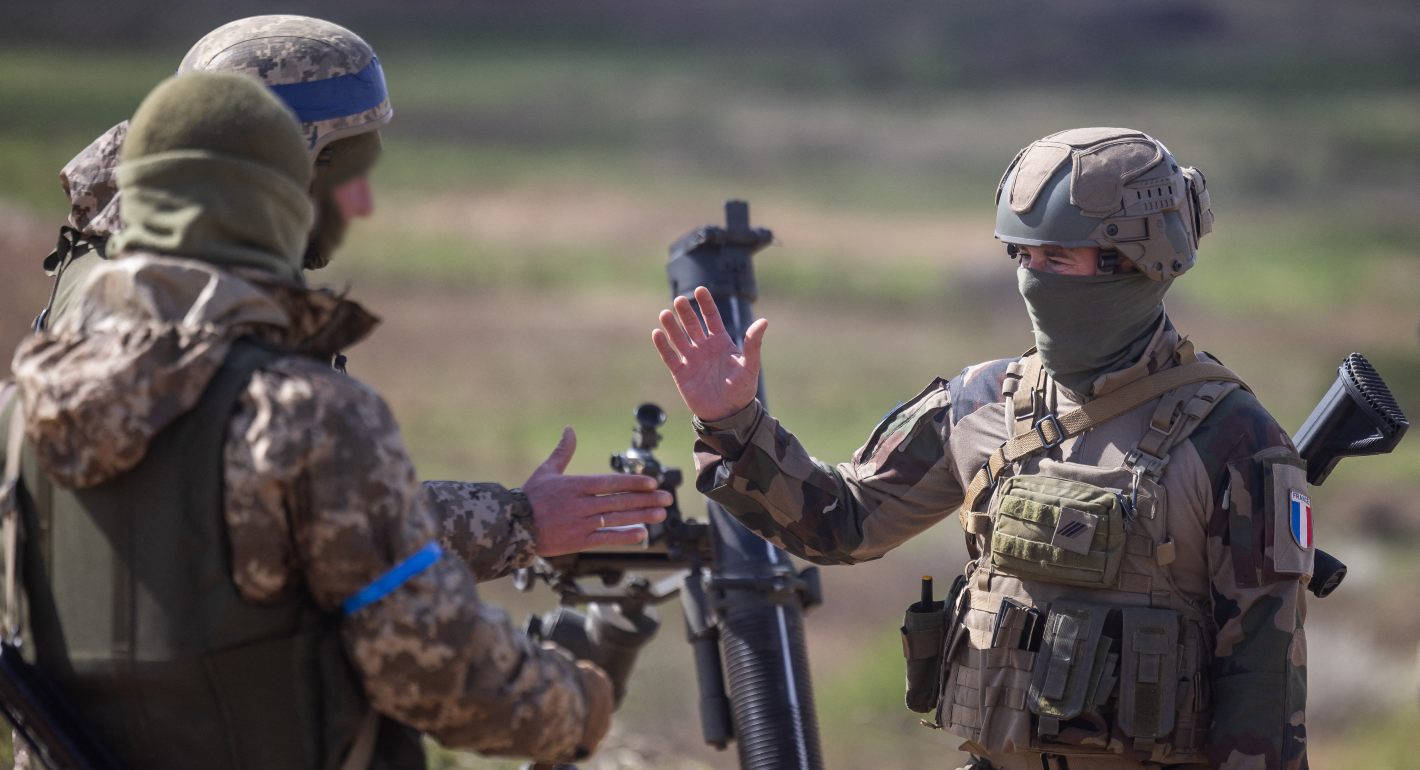
At the forefront of military assistance to Ukraine are several key nations demonstrating their commitment through significant arms supplies and training support. The United States has emerged as a principal contributor, providing advanced weaponry, including lethal aid like Javelin anti-tank missiles and Stinger surface-to-air missiles. Similarly, the United Kingdom has pledged various types of military equipment, including armored vehicles and anti-aircraft systems, alongside France, which has delivered Caesar self-propelled howitzers. These contributions reflect a strategic alignment among Western allies aimed at bolstering Ukraine’s defense capabilities in the face of increasing aggression.
In Europe, countries such as Germany and Poland are not lagging behind, with Germany committing to the supply of lethal arms like Gepard tanks and Poland offering a variety of logistical and training support. Furthermore, nations like Sweden and Canada have also stepped up their military assistance efforts, with Sweden sending anti-tank systems and Canada providing artillery and training. The united front of these countries signifies a robust international coalition rallying around Ukraine, as showcased in the following table:
| Country | Type of Support |
|---|---|
| United States | Advanced weaponry and training |
| United Kingdom | Armored vehicles and weapon systems |
| Germany | Gepard tanks and logistic support |
| Poland | Weapons and training assistance |
Impact of International Aid on Ukraines Defense Strategy
The influx of international aid has significantly reshaped Ukraine’s defense strategy, as multiple nations have mobilized to provide military support in response to ongoing conflicts. This support has not only bolstered Ukraine’s military capabilities but also influenced its strategic planning. Key contributions include advanced weaponry, training programs, and intelligence sharing, all aimed at enhancing Ukraine’s readiness to counteract external threats. Notably, countries such as the United States, Germany, and the United Kingdom have emerged as pivotal allies, leveraging their resources to provide both lethal and non-lethal aid. The integration of cutting-edge technology into the Ukrainian Armed Forces marks a paradigm shift, allowing for more sophisticated combat operations and improved logistics.
Consequently, the diverse military aid packages have compelled Ukraine to adapt its defense posture, focusing on both immediate resilience and long-term strategic objectives. The collaborative efforts with international partners have enabled the formation of a more cohesive defense coalition, leading to enhanced interoperability among allied forces. As illustrated in the table below, a variety of countries have stepped up their contributions, showcasing a comprehensive approach to supporting Ukraine’s defense initiatives:
| Country | Type of Aid | Description |
|---|---|---|
| United States | Weapons | Including anti-tank missiles and drones |
| Germany | Training | Military training programs for Ukrainian troops |
| United Kingdom | Logistics | Support for armament supply chains |
| France | Intelligence | Real-time intelligence sharing operations |
Examining the Types of Weapons Being Supplied to Ukraine
As the conflict in Ukraine continues, various nations have stepped up to provide critical military assistance. The types of weapons being supplied vary significantly, reflecting the diverse needs of the Ukrainian armed forces. Key contributions include:
- Anti-tank Missiles: Such as the Javelin and NLAW systems, these weapons have proven essential in combating armored vehicles.
- Artillery Systems: Self-propelled guns and howitzers have been supplied to enhance long-range strike capabilities.
- Small Arms and Ammunition: A steady flow of rifles, handguns, and munition feeds is critical for maintaining infantry effectiveness.
- Drones: Both surveillance and combat drones are being delivered to provide real-time intelligence and direct support in hostile environments.
The military aid is not just limited to conventional arms; advanced technology and training are also significant components of the support being provided. A closer look at the military aid includes:
| Weapon Type | Purpose | Principal Supplier |
|---|---|---|
| Javelin Missiles | Anti-tank warfare | United States |
| M777 Howitzers | Long-range artillery | United States |
| AK-47 Rifles | Infantry combat | Various Eastern European countries |
| Bayraktar Drones | Surveillance and attack | Turkey |
Recommendations for Strengthening Global Military Alliances with Ukraine
To further solidify military support for Ukraine, it is imperative for global allies to establish streamlined frameworks for weapon delivery and military aid coordination. By creating multi-national task forces, countries can enhance logistical efficiency and response times, ensuring that Ukraine receives the necessary resources swiftly. Engaging in regular joint exercises would not only improve operational readiness but also foster closer ties between military forces, showcasing a united front in the support of Ukraine’s sovereignty.
Moreover, enhancing intelligence sharing and cybersecurity collaboration among allied nations will bolster Ukraine’s defensive capabilities. This can be achieved through the establishment of dedicated intelligence-sharing platforms, allowing real-time sharing of critical data about potential threats. Additionally, targeted training programs should be organized for Ukrainian forces, focusing on the effective use of new technologies and systems received from allies. Such initiatives would further empower Ukraine’s military, demonstrating a committed partnership that extends beyond mere material support.
Q&A
Q&A: Countries Sending Weapons and Military Aid to Ukraine
Q1: Which countries have been the most significant contributors of military aid to Ukraine since the beginning of the conflict?
A1: The United States has emerged as the largest provider of military assistance, pledging over $100 billion in aid since February 2022. Other notable contributors include the United Kingdom, Germany, Poland, France, Canada, and the Baltic states, all of whom have supplied various forms of military support, including weapons, ammunition, and training.
Q2: What types of military aid are these countries providing to Ukraine?
A2: The military assistance ranges widely, encompassing lethal aid such as anti-tank missiles (like the Javelin and NLAW), artillery systems, drones, and multiple-launch rocket systems. Additionally, non-lethal support such as medical supplies, body armor, and logistical support has also been a critical component of the assistance.
Q3: Has there been a notable change in the types of weapons being supplied to Ukraine over time?
A3: Yes, initially, much of the aid focused on defensive weapons capable of countering armored assaults. However, as the conflict has evolved, supply packages have increasingly included advanced systems like long-range artillery and missile systems, reflecting the changing demands of the battlefield.
Q4: Are there any countries that have provided military aid but have faced criticism for their decisions?
A4: Yes, several countries have faced scrutiny for their military contributions or lack thereof. Germany, for example, has been criticized for its hesitation to send heavy weaponry early in the conflict. Conversely, countries like Turkey received mixed responses for their support through drone technology while navigating complex regional politics.
Q5: Are there any countries known for providing intelligence support to Ukraine?
A5: Absolutely. In addition to military hardware, countries, including the United States and the United Kingdom, have been pivotal in supplying Ukraine with intelligence. This cooperation has involved sharing real-time battlefield data and satellite imagery, enhancing Ukraine’s defensive and offensive capabilities.
Q6: How is ongoing military aid to Ukraine affecting international relations?
A6: The commitment to assist Ukraine has led to a strengthening of alliances among Western countries, particularly within NATO. Conversely, this increased military support has strained relations with Russia, resulting in heightened tensions and retaliatory actions from Moscow, such as sanctions and military posturing.
Q7: Is the military aid to Ukraine likely to continue in the future?
A7: Given the prolonged nature of the conflict and ongoing discussions within NATO and allied nations, it appears likely that military aid will continue. As the situation evolves, countries will likely reassess and adapt their support to meet Ukraine’s needs and respond to the geopolitical landscape.
Q8: How is the effectiveness of military aid to Ukraine being evaluated?
A8: Effectiveness is assessed through several lenses, including battlefield success, the resilience of Ukrainian forces, and operational sustainability. Reports from the frontlines and assessments from military analysts help gauge the impact of the support and inform future aid packages.
Q9: What role do international organizations play in facilitating military aid to Ukraine?
A9: Organizations like NATO and the European Union play critical roles in coordinating military support, establishing funding mechanisms, and ensuring that aid is appropriately tailored to Ukraine’s needs. The international community also works to ensure that assistance adheres to legal and ethical standards.
Q10: How has public opinion influenced the military aid provided to Ukraine?
A10: Public sentiment in many countries, particularly in Europe and North America, has been largely supportive of military assistance to Ukraine. This backing has been crucial in pushing governments to maintain or increase their military aid commitments, reflecting a widespread desire to support Ukraine’s sovereignty and territorial integrity.
Future Outlook
the international response to the conflict in Ukraine has been marked by significant military aid and weapon transfers from a diverse array of nations. As the conflict continues, the ongoing support from these countries underscores a strategic commitment to bolster Ukraine’s defense capabilities. The implications of this military assistance extend beyond the battlefield, influencing geopolitical dynamics and shaping future security alliances. As the situation evolves, it remains crucial to monitor the continued actions of these nations and the potential impact on the broader European and global landscape. The commitment to Ukraine not only reflects solidarity in the face of aggression but also raises important discussions about the role of military support in international relations. As the conflict endures, so too will the scrutiny of international military aid and its far-reaching consequences.


