


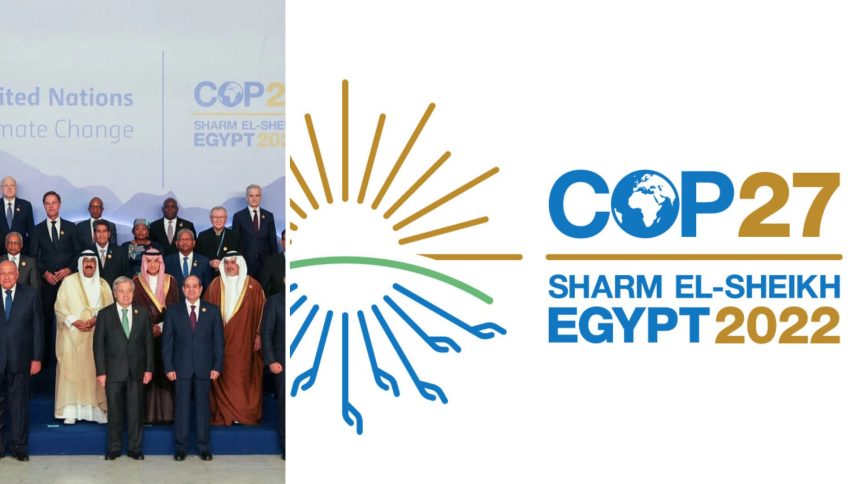
As the world stands at a critical juncture in its fight against climate change, the 27th Conference of the Parties (COP27) to the United Nations Framework Convention on Climate Change has emerged as a pivotal platform for global dialogue and action. Held in Sharm El-Sheikh, Egypt, from November 6 to 18, 2022, COP27 brought together world leaders, negotiators, and environmental advocates to address pressing issues such as emissions reductions, climate finance, and adaptation measures.
Leading discussions at this high-stakes summit were heads of state and key stakeholders who helped shape the agenda, pushed for ambitious commitments, and navigated complex negotiations among diverse interests. This article delves into the dynamics of COP27, examining the crucial roles of its lead participants, their strategies for fostering consensus, and the implications of the outcomes for international climate policy going forward.
Table of Contents
- Strategies for Effective Leadership in Climate Negotiations at COP27
- Key Outcomes from COP27: Understanding Agreements and Their Implications
- The Role of Civil Society in Shaping Climate Policy During COP27
- Recommendations for Future Climate Conferences: Lessons Learned from COP27
- Q&A
- To Wrap It Up
Strategies for Effective Leadership in Climate Negotiations at COP27
Effective leadership in climate negotiations at COP27 hinges on the ability to foster collaboration among diverse stakeholders. Leaders must prioritize open communication and transparency to create an environment conducive to dialogue. By employing strategies such as active listening and encouraging contributions from all parties—whether they be large nations, developing countries, or grassroots organizations—leaders can ensure that every voice is heard. Additionally, leaders should focus on building trust through consistency in messaging and demonstrating a commitment to shared goals, fostering a collective responsibility toward climate action.
Moreover, establishing a framework for inclusive decision-making is essential for meaningful outcomes. Leaders can utilize the following techniques to enhance negotiation efficacy:
- Clarifying Objectives: Clearly define the aims of negotiations to align all participants.
- Creating Breakout Groups: Encourage smaller discussions to tackle specific issues, allowing for deeper engagement.
- Utilizing Data-Driven Insights: Leverage scientific and economic data to support arguments and build rational consensus.
By adopting these strategies, leaders can navigate the complexities of climate negotiations, ensuring progress toward a sustainable future. A well-structured approach will not only aid in achieving tangible outcomes but also inspire forthcoming generations to engage in climate action.
Key Outcomes from COP27: Understanding Agreements and Their Implications
The COP27 conference yielded pivotal agreements aimed at addressing climate change and its profound impacts worldwide. One of the most consequential outcomes was the establishment of the Loss and Damage Fund, designed to provide financial assistance to nations most affected by climate-related disasters. This initiative signals a significant step toward climate justice and recognizes the responsibilities of developed countries in supporting vulnerable nations. The fund is expected to channel resources into infrastructure rebuilding, climate adaptation, and sustainable development, ensuring that affected regions can recover and build resilience.
In addition to financial commitments, participating countries also reached a consensus on enhancing ambition levels for emissions reductions. The pact harmonizes global targets to limit temperature rise to below 1.5°C by promoting a rapid transition to renewable energy sources. Key elements of this agreement include:
- Increased transparency in reporting emissions.
- Implementation of stricter regulations on fossil fuels.
- Commitments to technology transfer for cleaner energy solutions.
This collaborative approach is anticipated to foster innovation and investment in green technologies, accelerating the transition to a sustainable global economy.
The Role of Civil Society in Shaping Climate Policy During COP27
During COP27, civil society organizations emerged as pivotal players in the discourse surrounding climate policy, pushing for more ambitious commitments and accountability from world leaders. Their involvement was crucial in amplifying the voices of marginalized communities often overlooked in larger negotiations. By leveraging grassroots movements and harnessing social media platforms, these organizations fostered a sense of urgency and solidarity, urging a shift towards sustainable practices. Key strategies employed by civil society included:
- Advocating for inclusive climate policies that consider the needs of vulnerable populations.
- Facilitating dialogues between policymakers and grassroots stakeholders to ensure diverse perspectives were considered.
- Disseminating information regarding the impacts of climate change, thereby educating the public and mobilizing action.
Civil society’s ability to mobilize public opinion and create pressure on negotiators was evident in the various actions surrounding the conference. Advocacy groups organized events, workshops, and protests, effectively transforming COP27 into a platform for broader environmental governance. Among their many contributions, they emphasized the need for transparent reporting mechanisms and the integration of traditional knowledge in climate resilience strategies. The following table summarizes some critical demands from civil society highlighted during the negotiations:
| Demand | Description |
|---|---|
| Climate Finance | Increased funding for climate adaptation in vulnerable regions. |
| Loss and Damage | Establishment of mechanisms to address climate-related losses faced by countries. |
| Just Transition | Commitment to fair and inclusive job transitions in the green economy. |
Recommendations for Future Climate Conferences: Lessons Learned from COP27
The outcomes of COP27 provide valuable insights that can be instrumental in shaping future climate conferences. To build on the momentum gained, it is vital to strengthen the dialogue and collaboration among nations. Emphasizing the importance of transparent communication and accountability mechanisms can lead to more effective commitments. Additionally, fostering multilateral partnerships can empower local governments and stakeholders to actively participate in decision-making processes. This inclusivity would not only enhance the relevance of agreements but also generate broader support for ambitious climate action.
Moreover, future conferences should prioritize sustainability in their operations, ensuring that the event itself aligns with global climate goals. This can be achieved by minimizing the carbon footprint through the use of renewable energy sources, reducing waste, and promoting digital platforms to minimize travel. Implementing these strategies sets a precedent and demonstrates the urgency and seriousness of climate action. To encapsulate these lessons and recommendations, the following table highlights key focus areas for future climate conferences:
| Focus Area | Recommendations |
|---|---|
| Communication | Enhance transparency and foster dialogue among stakeholders |
| Inclusivity | Encourage participation from local governments and communities |
| Sustainability | Adopt renewable energy and reduce event-related waste |
| Innovation | Leverage digital tools to minimize travel and engagement costs |
Q&A
Q&A: Leading Talks on COP27 – Unpacking the Climate Conference
Q: What is COP27, and why is it significant?
A: COP27, or the 27th Conference of the Parties to the United Nations Framework Convention on Climate Change, took place in Sharm El-Sheikh, Egypt, in November 2022. It is significant as it serves as a platform for nations to negotiate and implement measures aimed at combating climate change, address greenhouse gas emissions, and advance global climate action in line with the Paris Agreement.
Q: Who were the key figures leading the talks at COP27?
A: The talks were led by high-level representatives from various countries, including Egypt’s Foreign Minister Sameh Shoukry, who served as the President of COP27. The discussions also included significant contributions from UN Secretary-General António Guterres, U.S. climate envoy John Kerry, and various prime ministers, environmental ministers, and representatives from civil society organizations.
Q: What were the main objectives of COP27?
A: The primary objectives of COP27 included operationalizing the climate finance commitments for developing countries, finalizing the implementation of the Paris Agreement, and strengthening global cooperation on adaptation and resilience strategies. A major focus was also on addressing loss and damage, which involves compensating developing nations for the adverse effects of climate change.
Q: How did the discussions at COP27 differ from those at previous COP conferences?
A: COP27 marked a more urgent call to action, reflecting the escalating impacts of climate change observed worldwide. While previous talks emphasized commitments and pledges, there was a greater focus during COP27 on concrete actions and accountability, particularly regarding climate financing and support for vulnerable nations facing climate-related challenges.
Q: What were some of the notable outcomes from COP27?
A: One of the landmark outcomes was the establishment of a fund to assist countries suffering from the catastrophic impacts of climate change—a demand championed by the most vulnerable nations for years. Additionally, the conference resulted in commitments to accelerate the transition to renewable energy sources and an emphasis on phasing down fossil fuels, though the latter faced criticism for lacking enforceability.
Q: How did civil society and youth activists engage with COP27?
A: Civil society groups and youth activists played a crucial role in mobilizing public awareness and holding leaders accountable. Many protests and campaigns occurred both inside and outside the conference venue, stressing the urgency for immediate action and the inclusion of marginalized voices in climate discussions. Their advocacy underscored the demand for transparency and genuine engagement in the decision-making processes.
Q: What are the immediate next steps following COP27?
A: Following COP27, nations are expected to report on their progress towards meeting their climate commitments and implement the agreements reached during the conference. The next COP, COP28, will focus on evaluating the effectiveness of these measures and furthering international collaboration, particularly in light of worsening global climate impacts and the upcoming 2023 emissions gap report.
Q: Why is it essential for the global community to remain vigilant after COP27?
A: The outcomes of COP27 are just the beginning. Continuous pressure from citizens, governments, and organizations is vital for ensuring accountability and fostering a culture of climate action. As climate-related disasters become increasingly prevalent, upholding commitments made at COP27 will be crucial in upholding global momentum toward a sustainable and resilient future.
To Wrap It Up
As COP27 draws to a close, the discussions held in Egypt have set the stage for crucial climate action in the coming years. Leaders, negotiators, and activists have come together to address the urgent challenges posed by climate change, emphasizing the need for collaborative solutions that prioritize sustainability and resilience. The outcomes of these talks will undoubtedly shape global climate policies and actions moving forward, as countries strive to meet their commitments and mitigate the impacts of climate change on vulnerable populations. As the world looks ahead to future negotiations, the importance of continued dialogue and commitment remains paramount in addressing this pressing global crisis. The path to a more sustainable future lies in collective responsibility, and the legacy of COP27 will hinge on the willingness of nations to act decisively in the months and years to come.


