


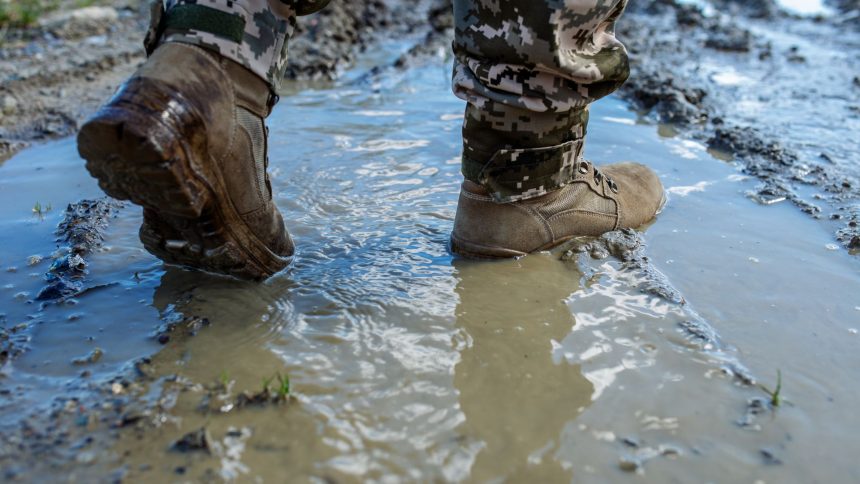
In the shadow of an ongoing conflict that has redefined geopolitical alliances and provoked deep-seated anxieties across Europe, the Russia-Ukraine war persists as a crucial focal point of international discourse. As the battle lines continue to shift and the toll of warfare escalates, the European Union finds itself navigating a treacherous landscape of diplomacy and military strategy.
Recently, the EU’s chief diplomat has emerged as a pivotal voice in urging Ukraine’s allies to reconsider their stance on the parameters of military engagement, specifically advocating for the authorization of strikes targeted towards Russian soil. This escalation of rhetoric raises complex questions about sovereignty, the ethics of warfare, and the delicate balance of power in a region fraught with tension. As we delve into the intricacies of this diplomatic maneuvering, we explore the implications of such a shift for both Ukraine and its supporters, and what it may mean for the broader context of European security and stability.
Navigating the Dilemma of Territorial Integrity and Military Strategy
The European Union’s top diplomat has issued a stern message to backers of Ukraine, pressuring them to allow air strikes on potential military targets within Russia, in a bold shift of strategy that disrupts the delicate balance of territorial integrity. This directive stems from a deep concern regarding the increasing aggressions in the Russia-Ukraine conflict. The diplomat maintains that these preemptive strikes could act as a deterrent or potentially cripple Russia’s military prowess.
| Proposed Targets for Airstrikes | Potential Impact |
|---|---|
| Missile Launch Sites | Reduce Russia’s strategic capabilities |
| Military Bases and Installations | Lower troops morale, disrupt logistics |
| Communications Infrastructure | Impede communication, create confusion |
Many political analysts, however, are wary of this proposed approach. They argue that such a decision could further escalate the tensions, rendering the situation more volatile. They are afraid this could essentially lead to a full-scale war between Russia and the European Union. Alternatives proposed by the analysts include:
- Continued diplomatic negotiations: Maintain ongoing efforts for reaching a deal that respects Ukraine’s sovereignty.
- Reinforcing EU’s defence system: Bolster defence capabilities for quick and expedient responses to any potential aggression.
- Imposing harsher economic sanctions: Placing stricter sanctions on Russia to apply financial pressure and discourage further hostility.
In this precarious situation, the EU must make a strategic choice: uphold the principle of territorial integrity, risking potential escalation in the conflict, or unleash a potentially devastating military action against a nuclear-armed state. Which course will be the lesser of the two evils remains to be seen.
The Role of EU Diplomacy in Shaping Ukraines Defensive Capability
Reveling under the veil of high-stake diplomacy, the European Union (EU) has flexed its political muscles to pressures Ukraine’s backers, urging them to permit strikes on targets within Russia. As the Russia-Ukraine conflict continues to escalate, the EU has taken a tough stance, discreetly transforming Ukraine’s defense capabilities with its diplomatic power.
Paired with diplomatic strategies, the EU has boosted its commitment to Ukraine’s defense sector through unilateral programmes, policy advocacy, and capacity-building exercises.
- Unilateral Programs: The EU has been exponentially increasing aid and financial support in the form of unilateral programs. This monetary boost is aimed at developing Ukraine’s defensive infrastructure and facilitating the procurement of advanced defense technology.
- Policy Advocacy: At the heart of EU diplomacy is strategic policy advocacy. The Union has been persistently lobbying to change the defensive policies of Ukraine—aimed at bolstering the nation’s ability to stand firm against Russian aggression.
- Capacity-Building Exercises: Additionally, the EU has been facilitating a wide range of capacity-building exercises, training and sharing best-in-class strategies with Ukrainian military officials to enhance their stratagem formulation and implementation.”
| EU Contribution | Specific Impact |
|---|---|
| Unilateral Programs | Increasing defense infrastructure and technology |
| Policy Advocacy | Bolstering defensive policies against aggression |
| Capacity-Building Exercises | Enhancing stratagem formulation and implementation |
Undoubtedly, the role of EU Diplomacy is playing a crucial function in shaping Ukraine’s defensive capabilities amidst a volatile situation. By leveraging policy advocacy, unilateral programs, and capacity-building exercises, the EU is providing Ukraine with robust tools to bolster its defense system.
Understanding the Implications of Targeting Russian Soil for Regional Stability
Despite mounting pressure from the EU’s top diplomat to legitimize Ukrainian strikes on targets inside Russia, world leaders face an impenetrable gridlock. The proposition is an undeniably risky gambit, crucially threatening the balance of regional stability. Sanctioning these actions may potentially set a precarious precedent and escalate the ongoing Russia-Ukraine war. There are three key implications to focus on:
- Aggravating Russia’s defense mechanism may lead to unpredictable retaliatory actions.
- Sending a tacit message that cross-border aggression is globally acceptable.
- Potential influence on the strategic alliances and dynamics in the region.
| Implications | Outcomes |
|---|---|
| Aggravated Russian defense | Unpredictable retaliation |
| Tacit approval of cross-border aggression | Global acceptance of violence |
| Shift in regional alliances | Destabilized strategic dynamics |
Further, the spill-over effect on international relations cannot be overlooked. Opening Pandora’s box of geographical violation may not only sour the relations between Russia and the EU but also create palpable tension among other global powers. Those who hold veto power, particularly the permanent members of the United Nations Security Council, could themselves become divided, exacerbating the international crisis.
To avoid adding fuel to fire, it is essential for the EU and Ukraine’s backers to resume diplomatic negotiations and seek peaceful resolutions. Revisiting the Minsk agreements or imposing stricter economic sanctions on Russia could be prospective steps to de-escalate the tension. These Arctic tensions call for subzero diplomacy, and to keep the situation under control, global leaders must proceed with caution and thoughtfulness.
Recommendations for a Coordinated Response Among Ukraines Allies
In an effort to de-escalate the increasing hazards of the Russia-Ukraine war, the European Union’s lead diplomat has urged Ukraine’s supporters to consider permitting airstrikes on strategic targets within Russia. Being strategic allies, allowing this form of combat may exert the necessary pressure on Russia, compelling them towards negotiation rather than aggression.
Advantages of Coordinated Response
- Enforces a united front, making it harder for Russia to take advantage of individual nations’ weaknesses
- Enhances the credibility and efficacy of potential sanctions
- Minimizes the potential for diplomatic misunderstandings or conflicts among the allies themselves
The potential outcomes of these airstrikes include disrupting Russia’s operational capabilities and forcing them back to the negotiation table. However, such a decision requires careful assessment of all implications.
| Allied Party | Level of Support |
|---|---|
| United Kingdom | High |
| France | Moderate |
| Germany | Low |
Allied Response Potential Outcomes
- De-escalation of the conflict through disruptive capability
- Potential push towards negotiation
- Heightened tension and the risk of broader conflict
It is imperative for Ukraine’s allies to find a common response approach, balancing the need for conflict resolution with the risks of escalating tensions. A coordinated response, if executed effectively, may help to significantly influence the direction of the conflict.
Final Thoughts
As the specter of conflict continues to loom over Europe, the dynamics of the Russia-Ukraine war evolve, ushering in new dimensions of diplomatic engagement. The EU’s top diplomat’s calls for a reassessment of military strategies reflect not only the urgency of the situation but also the complexities inherent in international relations. As debates ensue, it becomes clear that the implications of such actions extend beyond the battlefield, potentially reshaping alliances and influencing global perceptions.
The conversation around allowing strikes on targets within Russia encapsulates a pivotal moment in the conflict, navigating the fine line between defensive necessity and the risks of escalation. As we move forward, the international community watches closely, weighing the consequences of each decision made. The resolution of this conflict will not only dictate the future of Ukraine but will resonate throughout Europe and beyond, reminding us that in warfare, every choice bears a weight far greater than the immediate moment.
In the coming weeks and months, it will be crucial for stakeholders to engage in thoughtful discussion and strategic planning, ensuring that efforts toward peace are never overshadowed by the call for retaliation. The road ahead may be fraught with challenges, but with careful diplomacy and a commitment to constructive dialogue, there remains hope for a resolution that prioritizes stability and security for all involved.


