


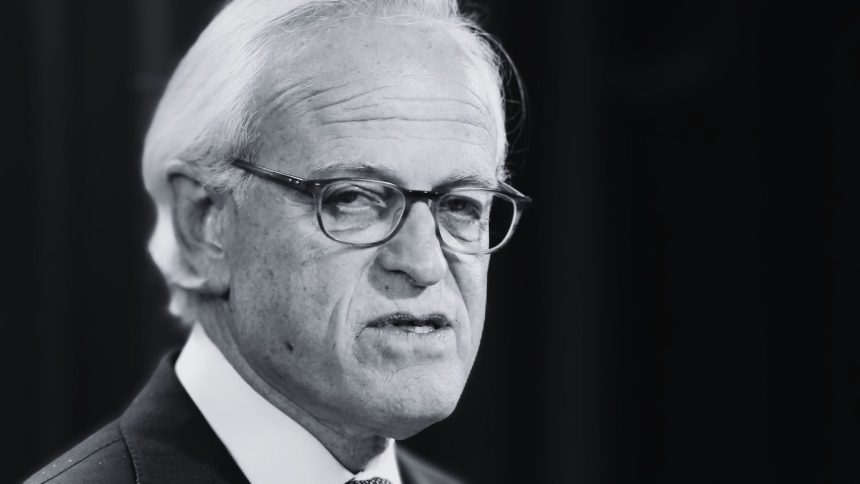
In the intricate tapestry of diplomatic efforts towards peace in the Middle East, certain figures stand out as relentless advocates for harmony, bridging divides that often seem insurmountable. One such individual is Martin Indyk, whose career has been marked by a steadfast commitment to fostering dialogue and understanding among warring factions. As a distinguished diplomat, scholar, and public servant, Martin Indyk dedicated decades of his life to navigating the complex landscape of Middle Eastern politics, championing the cause of peace with a blend of tenacity and empathy.
This article aims to illuminate the profound impact of Indyk’s work, reflecting on his numerous achievements, the challenges he faced, and the legacy he leaves behind in the ongoing quest for stability in the region. Join us as we remember Martin Indyk—not just as a diplomat, but as a visionary whose devotion to peace continues to inspire many today.
Exploring Martin Indyks Diplomatic Legacy in the Middle East
Martin Indyk, a veteran diplomat and skilled negotiator, has left an undeniable imprint on Middle Eastern geopolitics throughout his exemplary career. Born in London and raised in Australia, Martin Indyk made his name in the United States, where he ascended through the ranks to become U.S. Ambassador to Israel, not once, but on two separate occasions. A central figure in the tumultuous peace process, Martin Indyk played instrumental roles in various negotiations aimed at finding a peaceful resolution between Israel and Palestine.
His notable achievements include:
- Facilitation of the Hebron Protocol and Wye River Memorandum, which made strides toward settling territorial disputes.
- Founder of the Washington Institute for Near East Policy, a great force in driving U.S. policy-making towards the Middle East.
- Launching the New Israel Fund, an innovative philanthropic initiative for promoting social justice and equality for all Israelis.
In addition to these remarkable feats, Martin Indyk’s commitment to fostering dialogue and mutual understanding saw him authoring several insightful books, shedding light on the intricacies of the Middle East landscape. His contributions to the field of diplomacy and Middle Eastern policy are unparalleled, carving a legacy that continues to influence current and future diplomats.
Considered a “consummate diplomat”, Martin Indyk’s engagement and strategies in the Middle East were guided by a singular vision - to achieve lasting peace in the region. His efforts, although not always fully rewarded, have paved the way for a new generation of diplomats, giving them a model worth emulating. Martin Indyk’s fearless dedication to his task, despite the numerous challenges that stood in his path, is a testament to his unrivalled commitment to peace in one of the world’s most troubled regions.
Here is a brief overview of Martin Indyk’s diplomatic career:
| Year | Role | Key Achievements |
|---|---|---|
| 1995-1997, 2000-2001 | U.S. Ambassador to Israel | Facilitated Hebron Protocol and Wye River Memorandum |
| 1985-present | Founder of Washington Institute for Near East Policy | Influencing U.S. policy-making towards the Middle East |
| 1979-1984 | Launching the New Israel Fund | Promoting social justice and equality for Israelis |
In memory of Martin Indyk, we honour his devotion to creating a better, more peaceful Middle East. His contributions serve as a beacon for scholars and diplomats worldwide, always reminding us of the power of diplomacy and negotiation in making a safer, more harmonious world.
Key Strategies and Approaches that Shaped His Peace Efforts
Martin Indyk’s diplomatic initiatives focused on promoting peace and stability in the Middle East. A key strategy was his approach to negotiation and dialogue. Martin Indyk believed that peace could only be achieved through sustained conversation and mutual understanding. Hence, he emphasized on maintaining open channels of communication, even during times of conflict and tension.
Martin Indyk’s approach towards reconciliation and mediation gained him a respectable position in the field of international diplomacy. He advocated for applying influence without coercion, working to resolve conflicts between parties rather than imposing solutions. Martin’s pragmatic approach to diplomacy and negotiations made him a recognized figure in the global peacebuilding arena.
- Indyk’s emphasis on the power of dialogue and negotiation.
- Application of influence without coercion.
- Belief in mediation and reconciliation.
| Key Strategy | Description |
| Dialogue and Negotiation | Emphasized on preserving open channels of communication. |
| Influence without Coercion | Working to resolve conflicts without imposing solutions. |
| Mediation and Reconciliation | Promoting peace through bringing conflicting parties together. |
Lessons from Indyks Commitment to Building Bridges
Throughout his illustrious career, diplomat Martin Indyk utilized a distinct approach that led to profound impacts on the peacebuilding efforts in the Middle East. His determined commitment to improving diplomatic relations was hinged upon his belief in the indomitable power of building bridges. Martin Indyk’s strategies have provided lessons that are invaluable not only to diplomats but to anyone striving to establish stronger connections and understanding across differing viewpoints or cultural divides.
Martin Indyk’s tactic often revolved around three main principles: communication, empathy, and persistence.
- Communication: Indyk recognized the importance of open dialogue and constructive communication in resolving conflicts. He tirelessly facilitated talks among various factions to encourage balanced discussion and engagement.
- Empathy: His strategies always underscored the human aspects of diplomacy. Acknowledging the emotions and experiences of different parties, he encouraged empathy among contradicting sides, thus helping create common ground for negotiations.
- Persistence: Indyk’s resilience in the face of daunting challenges was exceptional. He remained steadfast in his pursuit for peace through countless setbacks, proving that persistence is key when working towards such colossal goals.
| Year(s) | Role | Influence |
|---|---|---|
| 1995 –1997
2000 -2001 |
US Ambassador to Israel | Instrumental in brokering the Israel-Jordan Peace Treaty, he significantly improved US-Israel rapport. |
| 1997–1999 | Assistant Secretary of State for Near East affairs | Encouraged diplomatic relations between the US and the broader Middle East, promoting stability and understanding. |
| 2001-2018 | Vice President and Director of the Foreign Policy Program at the Brookings Institution | Continued to influence Middle East policies through academic research and advising roles. |
Such is the rich legacy of Martin Indyk, offering a roadmap to fostering sustainable peace and understanding in even the most contentious situations.
Future Pathways Inspired by Indyks Vision for Regional Stability
As we remember the progressive endeavors of the esteemed diplomat, Martin Indyk, it’s important to acknowledge his valiant efforts towards maintaining regional stability in the embattled Middle East. Known for his intricate understanding of the regional dynamics, Indyk’s vision was rooted in the belief that peace could be achieved through understanding, dialogue, and compromise. His diplomatic approach, marked by unwavering devotion and relentless pursuit of peace, left a lasting legacy that inspires countless individuals and nations alike.
Building upon his philosophy, several future pathways emerge for regional stability:
- Fostering dialogue: Indyk stressed the importance of open communication between conflicting parties. Future diplomatic approaches could focus on facilitating peaceful dialogue for the resolution of disputes.
- Promoting understanding: Indyk emphasized understanding other cultures, traditions, and perspectives. This can be fostered through educational exchanges and cultural diplomacy.
- Empowering regional alliances: Indyk envisioned a Middle East that embraces its shared history and cooperates for a peaceful future. Hence, encouraging regional alliances and mutual cooperation could be instrumental.
| Diplomatic strategy | Inspired by Indyk |
|---|---|
| Facilitating Peaceful Dialogue | Foster an atmosphere conducive for meaningful conversation and reconciliation. |
| Promoting Understanding | Encourage cultural diplomacies and educational exchanges to understand varying perspectives and traditions. |
| Empowering Regional Alliances | Nurture mutual cooperations and embrace shared histories for a peaceful future. |
As we move forward, remembering Indyk’s contributions, the situation in the Middle East indeed remains complex. However, guided by Martin Indyk’s vision, diplomatic efforts can be inspired to veer towards the path of peace and stability in the region.
Concluding Remarks
As we reflect on the life and legacy of Martin Indyk, it becomes clear that his contributions to Middle East diplomacy extend far beyond his many positions and accolades. He was a relentless advocate for peace, a strategist who navigated the complexities of international relations with a keen intellect and unyielding resolve. Indyk’s commitment to dialogue, understanding, and collaboration serves as a poignant reminder of the power of diplomacy in a region often mired in conflict.
Though his physical presence may no longer guide us, the principles he championed continue to resonate within the corridors of power and the hearts of those who strive for stability and peace. As we remember Martin Indyk, let us honor his vision by fostering open conversations, bridging divides, and relentlessly pursuing a future where understanding triumphs over strife. In honoring his memory, we keep alive the spirit of possibility that he dedicated his life to cultivating—a spirit that encourages us all to seek resolutions and forge connections in the intricate tapestry of the Middle East.


