


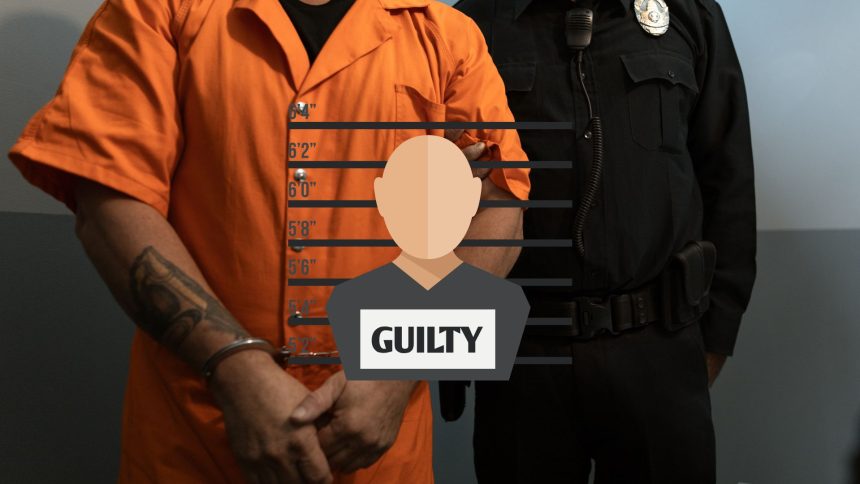
In a shocking turn of events that intertwines fame, tragedy, and the complexities of justice, the son of a renowned Spanish actor finds himself at the center of a gripping legal battle in Thailand. Accused of murder, the young man asserts he acted in self-defense—a claim that raises poignant questions about the nature of survival, the impact of privilege, and the intricate web of international law.
As details unravel and public attention intensifies, this article delves into the circumstances surrounding the case, exploring the cultural and legal landscapes that will ultimately shape its outcome. Join us as we navigate this compelling narrative of a life transformed by a split-second decision, and the search for truth amidst the chaos.
Shocking Turn of Events: The Case of the Spanish Actors Son in Thailand
In a case that has rocked the international community, the son of famed Spanish actor Antonio Miranda has been placed behind bars in Thailand. Juan Miranda, 25, is currently serving time for what Thai police have maintained was a clear-cut case of murder.
On the fateful night, Juan was reportedly involved in a late-night verbal altercation outside a popular Bangkok nightlife spot with the victim, a local Thai man named Anucha Boonkhai. Juan asserts that Anucha attacked him first, and that he acted purely in self-defense. CCTV footage from the bar partially covered the incident and has been used by the Thai authorities as evidence against Juan Miranda, leading to his conviction.
| Date of incident | Victim | Convicted | Claim |
|---|---|---|---|
| 15th June 2021 | Anucha Boonkhai | Juan Miranda | Self-Defense |
The conviction has polarized opinions, with some pointing out apparent inconsistencies in evidence, while others highlight the need for justice regardless of the perpetrator’s background. No gunpowder residue was found on Juan’s hands and Anucha had a criminal record, including multiple instances of assault. The Spanish embassy has made pleas for a fair trial based on these inconclusive evidence, but have found little traction with the Thai authorities.
- The Spanish embassy’s request for another trial has been rejected.
- Gunpowder residue was not found on Juan’s hands.
- The victim Anucha spent significant time in prison for assault.
Juan’s father, Antonio Miranda, continues to appeal for justice for his son. The public and media await further developments in this gripping saga as the debate rages on: imposing law and order versus upholding fairness and justice in an increasingly complicated world.
Understanding Self-Defense Claims in International Law and Their Implications
The news of Spanish actor’s son being jailed in Thailand for murder has sent ripples across the world. The defendant is pleading self-defense, raising complexities around the operation and application of self-defense laws in international legal circumstances. Before delving into the specifics of the case, let’s understand what self-defense claims in international law are.
In international law, the notion of self-defense holds a specific meaning. Unlike domestic laws, where self-defense is usually about personal security, in international law, it predominantly relates to the collective security. Article 51 of the United Nations Charter acknowledges the inherent right of a state to use force in self-defense in case of an armed attack. While this ‘supreme international law’, as some legal scholars put it, ensures no nation can be a silent victim of aggression, it opens up a lot of room for ambiguity and needs clear interpretation. Especially when individual cases come into play, the line often gets blurred, and determining the boundary line becomes challenging.
When we look at the case of the jailed Spanish actor’s son, the situation is complicated. Using self-defense argument isn’t as simple as invoking domestic laws. International jurisdiction, local Thai laws, and international human rights standards all come into play. There have been myriad viewpoints on the case, and conflicting legal opinions are making the matter complex. Let’s understand some of these arguments:
| Legal Point of View | Argument in Favour of Defendant | Counter Argument |
|---|---|---|
| Self-defense under International Law | Defendant’s actions were reactive, in the face of a threat to his life. | The alleged threat wasn’t commensurate with the force used. |
| Human Rights Standards | Defendant has the right to a fair trial and his rights should be respected. | Victim’s rights and dignity should also be respected. |
| Thai Domestic Law | Defendant was entitled to use reasonable force to protect himself. | The act exceeded the boundaries of reasonable force. |
It is clear that this case, like many similar ones, brings forth the complexities involved in determining the boundaries and implications of self-defense clauses in international law.
The Impact of Media Coverage on High-Profile Legal Battles
In the world of media, the case of a Spanish actor’s son accused of murder in Thailand was amplified globally. This high-profile legal battle is notable for the dramatic narrative that unfolded, involving a privileged foreigner, a fatal nightclub brawl, and a claim of self-defense. The intense media coverage has had significant effects on this ongoing case; it has informed public opinion, potentially influenced the legal proceedings, and underscored societal issues such as class disparity and cultural stigmas.
In the court of public opinion, coverage of this case has stirred an emotional uproar. Numerous news reports and social media posts have elicited strong reactions from the public, ranging from sympathy for the accused to outrage against perceived injustices and class biases. The surge in public attention may also have affected the judicial process, as courts are often sensitive to public sentiment.
- In Spain, there is overwhelming support for the self-defense argument and a call for justice.
- In Thailand, the case has sparked intense debates around the treatment of foreigners and the transparency of the country’s legal system.
The media’s portrayal of this case has also highlighted societal issues. Much of the narrative has revolved around the accused’s affluent background, celebrity ties, and foreign status. This focus has sparked discussions on societal biases towards wealth and celebrity status.
| Societal Issues Highlighted in the Case |
|---|
| Wealth and privilege: Attention is drawn to how societal privilege could affect the justice system. |
| Celebrity Influence: Commentary has flowed around the actor’s power might influence the trial. |
| Cultural Stigma: The foreign identity of the accused has sparked discussions about biases, discrimination and stereotypes. |
This case is just one example of how media exposure affects high-profile legal battles by not only influencing public sentiment but also possibly guiding the court’s decisions and focusing on broader societal biases.
Lessons Learned: Navigating Personal Safety and Legal Rights Abroad
When the news hit that a Spanish actor’s son had been arrested for murder in Thailand, it sent tremors through international communities. The young man, a traveler like many of us, claimed he had been acting purely in self-defense after an altercation turned violent. Yet, despite his pleas, he found himself entangled in a legal system far removed from what he was used to.
Images of his bewildered face flashing across international news channels served as a sobering reminder of how essential it is to grasp the local legal system and cultural norms. Getting acquainted with the laws, regulations, and courts of the country you’re visiting is crucial. Avoiding confrontations and situations that could potentially escalate into violence is also fundamental.
In departure from his story, let us look at the tips one should follow:
- Understand local laws: It’s essential to know the laws of the country you’ll be visiting in advance. These rules can often be found on the embassy or consulate websites.
- Cultural Sensitivity: Familiarize yourself with the customs and behaviours of the people. What may seem perfectly normal in your home country might be offensive elsewhere.
- Stay Alert: Always remain aware of your surroundings. While traveling, it’s vital to keep your guard up and be mindful of potential dangers.
| Aspect | Suggested Action |
|---|---|
| Legal Rights Abroad | Always take legal advice from professionals familiar with the local law before taking any action. |
| Personal Safety | Segregate your money, keep copies of important documents, and avoid sharing personal information with strangers. |
| Emergency Contact | Enlist a trusted individual from your home country as your emergency contact. Ensure they have all the details of your travel plans. |
Remember, every country has its own laws and cultural nuances. Being sensitive to these will enhance your experience and help ensure your safety and personal freedom are not compromised.
Insights and Conclusions
In the unfolding saga surrounding the tragic events in Thailand, the world watches as a high-profile case involving the son of a Spanish actor grips the public’s attention. With the intertwining themes of familial legacy, cultural differences, and the stark reality of violence, the story serves as a poignant reminder of the complexities within human relationships. As legal proceedings continue and narratives evolve, the notion of self-defense stands at the forefront, challenging us to reflect on the nuances of such claims within the justice system.
While the quest for truth and accountability remains paramount, this incident prompts deeper contemplation about the fragility of life and the circumstances that can lead individuals to make irreversible choices. As we await further developments, the question lingers: how do we navigate the delicate balance between justice and understanding in a world that is often anything but black and white?


