


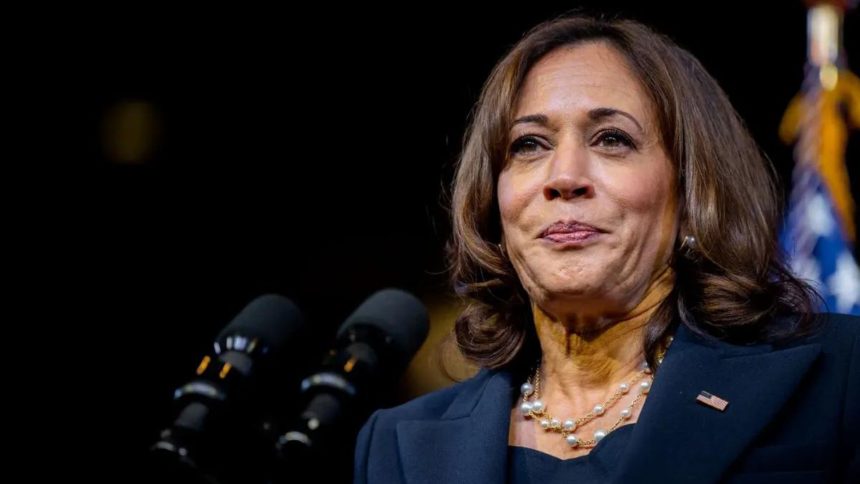
As the United States navigates a complex global landscape marked by shifting alliances and emerging challenges, the spotlight increasingly falls on Vice President Kamala Harris. With her ascent to one of the highest offices in the land, eyes are turning not only to her domestic initiatives but also to the contours of her potential foreign policy agenda. Kamala Harris, a trailblazer in her own right, brings a unique blend of experience, perspectives, and priorities that could shape America’s international engagement in the years to come.
In this article, we delve into the key elements that may define Kamala Harris’ approach to foreign policy, examining her past statements, the influences of her upbringing, and the pressing global issues that demand attention. By decoding the nuances of her vision, we aim to provide a clearer understanding of how Harris may steer U.S. interests on the world stage, and what this could mean for international relations moving forward.
Understanding Multilateralism in Kamala Harris’ Approach to Global Affairs
As the Vice President of the United States, Kamala Harris is expected to play a significant role in shaping and executing the country’s foreign policy. A study of her past statements and actions convey a strong belief in multilateralism, a policy doctrine which emphasizes cooperation between multiple nations to pursue common goals. The prominence of multilateral approaches in Kamala Harris’s ideology promises a more intensive engagement with international institutions and agreements, potentially a significant shift compared to the more unilateral policies of recent years.
It is expected that Kamala Harris will put significant emphasis on:
- Climate change: Embracing the Paris Agreement and investing in clean energy technologies.
- Human rights: Advocating for gender equality, racial justice, and LGBT rights on a global stage.
- Economic cooperation: Strengthening treaty alliances and advocating for free trade, potentially revisiting the Trans-Pacific Partnership agreement.
- Healthcare: Working with international organizations like the World Health Organization to combat global health crises.
Below is a table summarising Kamala Harris’ expected foreign policy priorities:
| Policy Area | Expected Approach |
|---|---|
| Climate Change | Rejoin and uphold the Paris Agreement, invest in clean energy technologies |
| Human Rights | Champion global gender equality, racial justice, and LGBT rights |
| Economic Cooperation | Advocate for free trade, potentially revisit the Trans-Pacific Partnership |
| Global Healthcare | Collaborate with the World Health Organization to combat global health crises |
In essence, it is anticipated that Kamala Harris’ approach to multilateralism will influence the United States’ foreign policy to become more collaborative, inclusive, and agile – definitely a transition to watch.
Exploring Climate Diplomacy: Strategies for Sustainable International Cooperation
Kamala Harris’ entry into the office of the Vice President feasts upon profound ramifications for America’s Foreign Policies. Marked for her clear voice and an audacious perspective, Kamala Harris holds an impressive record of ‘firsts’. But superlative to her trailblazing persona is the idea of understanding her potential Foreign Policy Agenda.
Climate Diplomacy – A Priority
Climate Diplomacy remains high on Kamala Harris’ concerns impacting foreign relations. This view resonates with most of the international community, thus opening wider avenues for cooperation. This involves:
- Placing Climate Change on the agenda of every bilateral international meeting.
- Reviving America’s commitment towards reducing greenhouse gas emissions.
- Driving international financial institutions to make sustainable investment choices.
This could lead to a more sustainable and inclusive global partnership under the ambit of Kamala Harris’ Climate Diplomacy.
Building International Consensus
Another strategy to decipher in Harris’s foreign policy approach is her intent to build international consensus. A compelling aspect of her judgment towards collective action could be seen in:
- The renovation of multinational alliances where fractured relationships need repair.
- Re-emphasizing cooperation with agencies like WHO and UN, for multilateral solutions to global crises.
- Shaping a global response against democratic degradation and emerging autocracies.
Despite limited scope for sweeping changes in American foreign policies, the Harris impression offers a chance for reconstructive dialogue and stronger alliances.
| Policy Area | Potential Direction |
|---|---|
| Climate Diplomacy | Pushing sustainability goals to global platforms |
| International Alliances | Restoring and strengthening global partnerships |
| Democracy Promotion | Countering global autocratic tendencies |
In essence, the Harris administration may offer a replenishing shift in U. S. regression: From churning unilateralistic tendencies to revitalizing collaborative foreign policies. The advocacy for climate diplomacy and the urge to unite against undemocratic forces will largely define her foreign policy strategy.
Empowering Human Rights: A Framework for Inclusive Foreign Relations
U.S. Vice President Kamala Harris, known for her bold championing of human rights, is poised to redefine America’s role on the global stage. Recognized for her advocacies, her potential foreign policy agenda promises to steer the narrative towards more inclusive foreign relations. Harris’s strong emphasis on human rights, gender equality, and climate change action is projected to shape her international dynamics extensively.
Expect these leading causes to top Harris’s future foreign policy initiatives:
- Climate Action: A frontrunner in the climate change discussion, Harris is likely to advance initiatives that promote sustainability and renewable energy, potentially implementing stricter regulations and sanctions on nations that fall short.
- Gender Equality: As the first woman vice-president of the U.S., Harris can harness this unique position to prioritize gender equality issues internationally, paving the way for greater representation and power for women across the globe.
- Human Rights Advocacy: Building on her strong track record on human rights issues, Harris will likely champion for increased vigilance and action against nations where human rights abuses persist.
Moreover, the Harris administration’s potential stand against global powers can be gleaned from the following tableau:
| Country/Region | Potential Stance |
|---|---|
| China | Assertive, Balancing consolidation of global influence and economics |
| Russia | Resolute, Deterring cyberattacks and election interference |
| Middle East | Piercing, Advocating for democracy and human rights |
| Europe | Reconciliatory, Repairing transatlantic alliances and commitment to NATO |
Undeniably, Harris’ inclusive and human rights-centric potential foreign policy agenda may emerge as a force to reckon with, offering an indelible imprint on the annals of U.S. foreign relations. These changes will potentially redefine global dynamics and spill over into policymaking at a multilateral level.
Strengthening Transatlantic Alliances: Opportunities for Revitalizing Partnerships
In the realm of foreign policy, Vice President Kamala Harris is expected to bring a fresh perspective which is likely to prioritize multilateralism and diplomacy. Speculations suggest that she may employ measures to revitalize alliances that suffered during the prior government. While the actual specifics of her foreign policy won’t fully unfold until she enters the office, a careful analysis of her campaign speeches and statements reveal a potential focus on certain pertinent issues.
This may include climate change, global health issues and transatlantic ties. Harris has been vocal about readdressing the United States’ commitments towards international climate change accords.
- She is expected to have USA rejoin the Paris Climate Agreement and restore the country’s leadership in global climate governance.
- For global health, the Vice President might work towards restoring alliances to strengthen the World Health Organization (WHO) and other international health institutions, a requisite step in coordinating global response to the current and future pandemics.
- Lastly, in terms of diplomatic relationships, Harris is projected to mend the strained relations between the US and its European allies, focusing on mutual cooperation and conflict resolution.
| Potential Policy Focus | Expected Actions |
|---|---|
| Climate Change | Rejoin the Paris Agreement; Reinstate US leadership in global climate actions |
| Global Health | Strengthen alliances with WHO; Improve global health coordination |
| Transatlantic Ties | Mend relations with European allies; Encourage mutual cooperation |
These represent only expected projections and her actual policy measures will only become clear upon actual execution. However, the speculation offers a peek into the likely direction of the policy shifts under Kamala Harris’s leadership.
Closing Remarks
as we navigate the intricate landscape of international relations, Kamala Harris stands poised at a pivotal crossroads. Her potential foreign policy agenda, shaped by years of legal acumen, diplomatic engagement, and a commitment to social justice, reflects the complexities of a world in flux. Whether addressing climate change, fostering global partnerships, or advocating for human rights, Harris’ approach will undoubtedly be influenced by the multifaceted challenges of our time.
As we decode the elements of her vision, it becomes clear that the essence of her policy may not just be about making decisions, but about forging connections—bridging divides between nations, and uniting diverse perspectives for a common purpose. The road ahead may be fraught with obstacles, but with a blend of innovation and resilience, Harris has the opportunity to redefine America’s role on the global stage. As we watch her journey unfold, one thing remains certain: the future of foreign policy is a canvas yet to be painted, and Kamala Harris holds a pivotal brush.


