


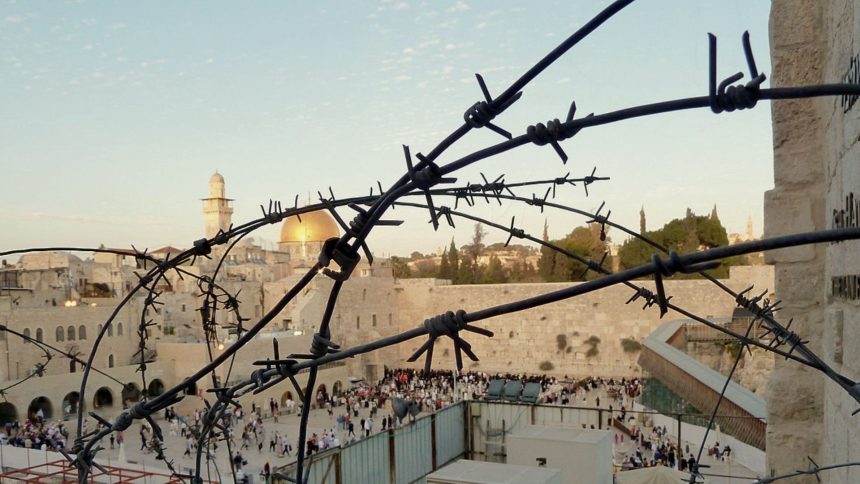
As the echoes of conflict reverberate across the landscape of the Middle East, the stage is set for a nuanced interplay of diplomacy and intention. In the midst of the Israel-Gaza conflict, U.S. President Joe Biden finds himself at a pivotal crossroads, navigating the intricate web of alliances and adversities that define this long-standing struggle. With Israeli Prime Minister Benjamin Netanyahu’s actions under scrutiny, Biden’s perspective on Netanyahu’s intentions has become an essential focal point for understanding the broader implications of this tumultuous period.
This article delves into the complexities of Biden’s viewpoint, exploring how the interplay of historical context, political alliance, and humanitarian concerns shapes his administration’s response to the ongoing crisis. In doing so, we aim to illuminate the delicate balance of power and intention that influences not just the fate of the region, but also the global order itself.
Understanding Bidens Perspective on Netanyahus Strategies
In a turbulent international political landscape, President Biden’s understanding of Israeli Prime Minister Netanyahu’s strategies forms a crucial point of analysis. Biden’s perspective encapsulates an essential concern for Israeli security, the defense rights of a nation amid conflict, and the urgent need for de-escalation. However, he also inherently acknowledges that Netanyahu’s strategies may exacerbate tension and potentially prolong the Israel-Gaza conflict.
- Recognition of Israel’s Right to Defense: Biden aligns with the long-standing American policy of affirming Israel’s right to protect itself. He has reiterated that Israel has a right to defend its citizens and respond to rocket attacks, a strategy spearheaded by Netanyahu.
- Urgency of De-escalation: Despite the recognition of Israel’s defense rights, Biden has expressed urgency in achieving a cease-fire and ending the conflict. This often puts him at odds with Netanyahu, who seeks a decisive victory against Hamas.
- Escalation Concerns: Biden has voiced concern over Netanyahu’s strategies leading to an escalation of hostilities in the region, instead of achieving a peaceful resolution.
| President Biden | PM Netanyahu |
|---|---|
| Advocates for de-escalation & enduring peace | Believes in a robust defense against Hamas |
| Wishes to restore two-state solution | Supports a hardline stance, potentially delaying negotiations |
These differing viewpoints reflect a delicate balance for Biden – supporting an ally while also encouraging a more moderate path towards peace. In essence, Biden’s view of Netanyahu’s intentions is marked by both agreement over Israel’s right to defend itself and concern over strategies that may prevent a lasting resolution to the Israel-Gaza conflict. At the core of this perception lies the need for a balanced pathway to peace - one that carefully navigates Israel’s defense needs while working towards cease-fire and dialoguing for a two-state solution.
Analyzing the Impact of U.S. Foreign Policy on the Israel-Gaza Tensions
As the Israel-Gaza conflict intensifies, President Joe Biden’s stance on Israel’s intentions has become increasingly crucial. A close scrutiny of Biden’s communication with Prime Minister Netanyahu suggests that he implicitly supports Israel’s right to engage in self-defense while urging to minimize civilian casualties. Yet, some critics speculate if this posture propagates more conflict or diffuses the escalating tension.
Assessing Biden’s diplomatic communications, key stakes are:
- Public Rhetoric: The approach Biden adopts in his official statements and press releases. Despite prodding from some Democratic quarters for a tougher stance against Israel’s alleged excesses, Biden seems to maintain his endorsement. He emphasizes Israel’s right to self-defense and implicitly condones their retaliatory strikes against Hamas.
- Framing the future of Palestine-Israel Relations: Although Biden has expressed concern for Palestinian suffering, critics argue if his actions align with his words. An instance is the resumption of U.S. financial aid to Palestine, which was terminated under the Trump administration. The question remains whether this will affect Israel’s existing approach towards Gaza.
| Communication Aspect | Biden’s Position |
|---|---|
| Public Rhetoric | Focus on Israel’s right to self-defense |
| Future of Palestine-Israel Relations | Undecided; financial aid to Palestine |
In this fluid scenario, it’s indeed challenging to predict the impact of U.S. stances on the crisis. Nevertheless, as a key ally of Israel, fluctuations in the U.S. foreign policy can undeniably turn the tide of this conflict.
Exploring Diplomatic Pathways for Conflict Resolution
The political landscape surrounding the Israel-Gaza conflict is nuanced, marked by shifting alliances, international pressures, and distinctive historical grievances. One of the most compelling elements in this landscape is the relationship between US President Joe Biden and the Israeli Prime Minister Benjamin Netanyahu–the former being a longtime ally of Israel, and the latter representing a nation under regular bombardment.
Biden’s stance towards Netanyahu’s intentions in the ongoing conflict appears to orient towards moderation. Instead of blindly endorsing Netanyahu’s aggressive approach towards Gaza, Biden seems to seek to balance his unequivocal support for Israel’s right to self-defense with his commitment to encouraging constructive diplomacy. Biden sees diplomacy, not domination, as the primary means of addressing the innate complexities of the Israel-Gaza situation.
- Indication of Biden’s View: Biden had a telephone conversation with Netanyahu on May 12, 2021. In that conversation, he conveyed the United States’ expectation for a significant de-escalation on the path to a ceasefire.
Furthermore, Biden’s approach relies on maintaining a delicate balance between internal political pressures–particularly those posed by the progressive wings of the Democratic party– and external international requirements. Biden’s diplomatic way in handling the Israel-Gaza conflict has been seen as an attempt to position the United States as an honest broker, capable of mediating between divergent and often sharply conflicting perspectives, without yielding to the extreme demands of either side.
| US Involvement | Stance |
| Financial Aid | Contemplating holding back some aid to pressure Israel into de-escalation. |
| Situation with UN | Three vetoes by the US at the UN prevented the adoption of a joint statement calling for a ceasefire. |
| Peace Negotiations | Potentially Monroe Doctrine application that sees peace as a regional matter, with the US playing a facilitatory role. |
Recommendations for Fostering Constructive Dialogue and Peacebuilding
As President Biden carefully monitors the ongoing Israel-Gaza conflict, his assessment of Netanyahu’s motives highlight a vital factor: the necessity for nurturing conversations and fostering peace. The first step involves engaging in open dialogue, leading to increased understanding. This requires:
- Acknowledging the significance of trust and transparency in maintaining long-term relationships
- Recognizing the role of empathy in resolving disputes
- Understanding that mutual respect is integral to constructive dialogue
Peacebuilding goes beyond immediate crisis management. It aims at preventing the recurrence of conflict by addressing root causes, and strengthening the ‘structures’ that promote peace. This involves:
| Peacebuilding Strategy | Key Action Steps |
|---|---|
| Conflict Transformation | Positive change through structured dialogue and negotiation |
| Social Cohesion | Foster mutual trust and unity within diverse groups |
| Economic Revitalization | Promote poverty reduction and boost economic development |
Enhancing understanding through dialogue and strengthening peace-promoting structures is a complicated yet necessary process. Under the dynamic leadership of leaders like Biden and Netanyahu, the shift from conflict to conversation may soon be a tangible reality.
Future Outlook
President Biden’s perspective on Netanyahu’s intentions amidst the ongoing Israel-Gaza conflict reflects a complex interplay of diplomacy, historical ties, and evolving geopolitical realities. As the situation continues to unfold, the ramifications of this relationship will be felt far beyond the borders of Israel and Gaza, shaping the discourse of international relations for years to come. While the path to peace remains fraught with challenges, understanding the nuances of these leaders’ intentions offers a crucial lens through which we can anticipate the future of not only U.S.-Israel relations but also the broader Middle Eastern landscape.
In a world where clarity is often obscured by the fog of war, these insights serve as a reminder of the delicate balance between support and accountability that defines foreign policy. As we move forward, the stakes of these interactions will only intensify, urging us to remain vigilant and informed witnesses to a history still in the making.


