


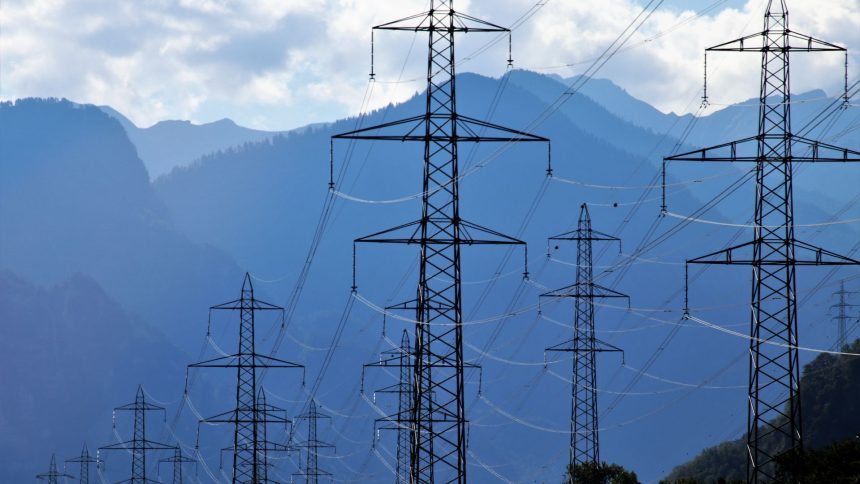
In the heart of a changing landscape, where the echoes of climate discussions reverberate through boardrooms and backyards alike, a groundbreaking initiative is taking center stage. “Decoding Biden’s Billions: Energy Investments Unleashed” delves into the monumental financial commitments made under President Biden’s administration, aimed at reshaping America’s energy future.
As the nation grapples with the dual challenges of economic recovery and environmental sustainability, this article unpacks the vast array of investments poised to transform not just the energy sector, but also the everyday lives of millions. From solar farms to electric vehicle charging stations, we explore the intricacies of these financial strategies and their potential to catalyze a greener economy. Join us as we navigate the complexities and implications of these investments—decoding the narrative woven into Biden’s vision for a more sustainable and prosperous future.
Exploring the Impact of Billions on Renewable Energy Development
Unveiling the magnitude of President Biden’s energy agenda, it becomes clear that billions are being funneled into the acceleration of renewable energy development. The much-lauded ‘Green Revolution’ is within touching distance as this financing aims to reshape American energy infrastructure, addressing both economic and environmental imperatives.
With this investment, an array of sectors stand to benefit, each playing a crucial role in achieving the ambitious goal of carbon neutrality. Some of the key areas targeted include:
- Solar Power: As a clean and inexhaustible energy source, increased funding is projected to drive innovate research, expand manufacturing, and make solar energy more accessible to consumers.
- Wind Energy: Investment could lead to the construction of thousands of wind turbines, both on and offshore, rapidly bolstering this renewable energy source’s contribution to the power grid.
- Energy Efficiency: Billions are set to improve energy efficiency in homes and commercial buildings – a move that not only reduces energy consumption but also slashes energy bills for consumers.
In essence, these billions translate into a robust action plan driving America towards a sustainable future. Let’s take a brief look at two elements on President Biden’s renewable energy agenda:
| Agenda Element | Amount Allocated (In Billions) |
|---|---|
| Solar Power Development | $10 |
| Refurbishment of Buildings for Energy Efficiency | $20 |
Embracing clean and renewable sources of energy not only mitigates the impacts of climate change, but also harbors the potential for economic growth. Coupled with the right policies and technological advancements, these billions could see America at the forefront of a global green energy revolution.
Analyzing Infrastructure Upgrades and Their Role in Energy Efficiency
President Biden’s recent $2 trillion infrastructure proposal earmarks billions for clean energy, grid infrastructure, and electric vehicle incentives. This revolutionary plan not only promotes a more sustainable future but also addresses the critical need for energy efficiency improvements. Behind this ambitious move are several key components:
- Renewable energy tax credits: Over a span of 10 years, these will ensure continuous growth and advancement of renewable energy sources such as wind and solar power.
- Infrastructure resilience: Allocation towards fortifying existing infrastructure against increasing climate disasters, ultimately reducing energy consumption in crisis management.
- Electric vehicle incentives: Rolling out massive electric vehicle adoption through consumer rebates, promoting energy efficiency in transportation.
- Upgrade in buildings: Retrofitting homes and buildings to energy-efficient alternatives, thereby drastically reducing their carbon footprint.
The table below outlines some of these sweeping measures along with their potential impact on energy use and carbon emissions.
| Investment Area | Potential Impact on Energy Efficiency |
|---|---|
| Retail Building Upgrades | up to 40% in energy savings |
| Electric Vehicle Incentives | Comparative to reducing 279 million metric tons of CO2 emissions |
| Grid infrastructure | Improved efficiency could prevent the equivalent of 5 gigatons of CO2 emissions |
| Renewable Energy Tax Credits | Can lead to generating 30-60% of US’s electricity from renewables by 2030 |
Therefore, in decoding Biden’s billions, it becomes clear that this bill is not just a bold investment in infrastructure, but also an aggressive commitment to energy efficiency and a sustainable future.
Navigating Opportunities: How Businesses Can Leverage Federal Investments
The Biden administration’s slate of federal investments has given a unique golden-ticket to businesses across America, particularly within the energy sector. In the midst of this financial turbulence consisting of billions of dollars, it’s essential for businesses to understand how to navigate the waves. By understanding the legal complexities, untangling administrative hurdles and leveraging the opportunities present, businesses can capitalize on this financial windfall to achieve exponential growth.
Understanding the Investment Unveiling
The investments laid out by the Biden administration are notably streamlined towards renewable energy, electric vehicles and infrastructure improvements. These major categories illuminate the future’s promising sectors. Zooming in under each category, potential opportunities are abundant:
- Renewable Energy: From wind turbines to solar panels and hydroelectric plants, these technologies are on the rise and need all manner of businesses from tech-based firms to suppliers of raw materials.
- Electric Vehicles: A whole new market opening not only for car manufacturers but also for businesses focusing on battery technologies, charging station infrastructures and more.
- Infrastructure Improvements: Here we witness lucrative opportunities for construction businesses, manufacturers, IoT companies for smart-grid developments, and even urban planning consultants.
Seeking Clear Guidance
However, seizing relevant opportunities isn’t as straightforward as it sounds. It necessitates thorough research, strategic planning alignments with federal objectives, compliance with environmental and feasibility standards, and above all, a watchful eye on continuous amendments in policies. With the right tools and well-informed guidance, businesses can efficiently navigate this complex landscape and reap maximum benefits from the available monetary resources.
| Investment Area | Business Opportunities |
|---|---|
| Renewable Energy | Tech firms, suppliers of raw materials |
| Electric Vehicles | Battery technologies, charging station infrastructures |
| Infrastructure Improvements | Construction businesses, IoT for smart-grid developments, urban planning consultants |
Future-Proofing Energy: Recommendations for Sustainable Growth and Innovation
Spurred on by the widespread urgency to combat climate change, the Biden administration has unleashed a plethora of investments in future-proofing energy. Overwhelmed by the cascades of numbers? Let’s take a step back and decode where these funds are pointed and how they are positioned to drive sustainable growth and innovation.
Revitalizing Infrastructure: Integral to this energy plan is the goal of creating a resilient, fully sustainable infrastructure. Investment highlights include:
- $100 billion for the national power grid enhancement, ensuring 100% clean energy by 2035.
- $15 billion directed towards demonstration projects for climate R&D priorities.
Elevating Clean Transportation: Undoubtedly, a significant part of the clean energy future lies in transforming the transportation sector. A few key allocations here are:
- $174 billion to jolt the electric vehicle market and establish the United States as an unchallenged leader.
- $20 billion to electrify school buses, reducing the sector’s carbon emission drastically.
Next, an intriguing part of the plan is the Energy Efficiency and Clean Energy Standard (EECES) — a policy designed to lower electricity bills and electricity pollution, increasing the resilience of power infrastructure.
| Objectives of the EECES | Allocations |
|---|---|
| Modernizing power sector | $10 billion |
| Decarbonizing building sector | $213 billion |
| Fostering clean technology | $35 billion |
These massive injections of funding reveal an ambitious blueprint towards a climate-resilient, thrive-able future. Indeed, the administration’s sustained emphasis on clean energy infrastructure, transportation, and advanced research presents a compelling case for robust, sustainable growth and innovation in the energy sector.
Key Takeaways
As we draw the curtain on our exploration of “Decoding Biden’s Billions: Energy Investments Unleashed,” it’s clear that the landscape of American energy investment is undergoing a profound transformation. The billions allocated to renewable energy, infrastructure modernization, and innovative technologies mark more than just financial commitment; they signal a strategic pivot toward sustainability and resilience in the face of climate change.
Navigating through the myriad initiatives reveals not only the ambitious goals of the Biden administration but also the potential ripple effects that these investments may have on industries, local economies, and the nation’s overall energy independence. While the path ahead is fraught with challenges—political, technological, and social—the opportunities for innovation and growth are equally monumental.
As we move forward, it will be crucial to keep a keen eye on the unfolding narrative of these investments. From the grassroots level to the halls of Congress, the dialogue surrounding energy policy will shape our environmental and economic future for generations to come. In this ever-evolving story, informed participation and accountability will play vital roles in ensuring that the promised billions translate into tangible benefits for all Americans. The journey towards a sustainable energy future has just begun, and it’s a narrative that belongs to all of us.


