


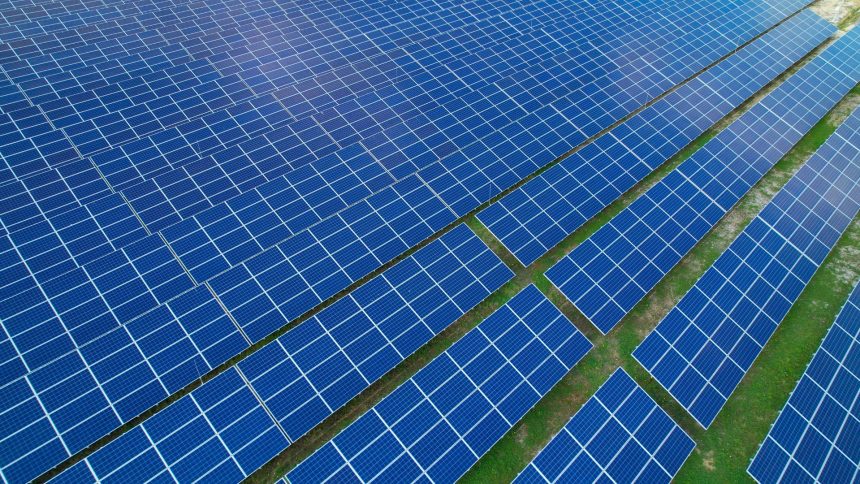
As the world grapples with the pressing challenges of climate change and environmental degradation, a new beacon of hope emerges in the form of green jobs. The rise of the clean energy sector not only promises a sustainable future but also unveils a mosaic of employment opportunities that align with both personal aspirations and global needs. From solar panel technicians to wind turbine engineers, the realm of clean energy is expanding rapidly, offering invigorating career paths that are as diverse as they are essential.
In this article, we delve into the phenomenon of the green jobs surge, exploring the myriad opportunities it presents and examining how individuals and communities can harness this momentum to forge a more sustainable and prosperous tomorrow. Join us as we navigate the evolving landscape of employment in clean energy, where ambition meets responsibility, and the workforce of the future is born.
Emerging Roles in the Renewable Energy Sector
The renewable energy sector is witnessing unprecedented growth. Climbing climate change concerns and the global shift towards sustainable solutions has led to the rise of several new employment opportunities in this industry. From engineers to analysts, and from technicians to consultants, the depth and breadth of roles emerging in this area are truly exciting.
Three major roles set to continue to rise in demand in the renewable energy sector include:
- Solar Photovoltaic (PV) Installers – Professionals who assemble, set up, and maintain rooftop or other systems that convert sunlight into energy.
- Wind Turbine Service Technicians – People who specialise in installing, maintaining, and usually troubleshooting wind turbines.
- Renewable Energy Consultants – Experts who help companies and individuals transition to clean energy use.
Widely recognized as the future of the energy industry, renewables provide a sustainable and environment-friendly way to meet the world’s energy needs. This is triggering a surge in ‘green’ jobs and reshaping employment trends worldwide. According to the International Renewable Energy Agency (IRENA), the renewable energy sector could provide more than 24 million jobs worldwide by 2030. Let’s take a closer look at the figures:
| Job Role | Estimated job growth by 2030 |
| Solar Photovoltaic (PV) Installers | 10% |
| Wind Turbine Service Technicians | 68% |
| Renewable Energy Consultants | 23% |
With the industry in rapid evolution, those planning their careers or considering a change might do well to explore these .
Skills and Training for a Sustainable Workforce
Clean energy sectors offer various job roles such as project managers, engineers, energy auditors, and environmental consultants, to name a few.
- Project Manager: Responsible for planning, execution, and supervision of projects.
- Engineer: Depending on the specific field (electrical, mechanical, civil etc.), responsibilities can include designing energy-efficient structures or systems, overseeing installations, and ensuring safety protocols.
- Energy Auditor: Conducts a thorough analysis of energy use and proposes improvements for energy conservation.
- Environmental Consultant: Works on a broad array of environmental issues including waste management, air pollution control, and ecological conservation.
To fit into these roles, a strong foundation in Science, Technology, Engineering, and Math (STEM) is highly beneficial. However, non-STEM professionals can also find avenues in fields like policy analysis, project financing, and human resources within the clean energy sector.
| Job Role | Relevant Skills |
|---|---|
| Project Manager | Project management, Leadership, Time management |
| Engineer | Technical expertise, Problem-solving, Creativity |
| Energy Auditor | Data analysis, Attention to detail, Communication |
| Environmental Consultant | Research, Environmental law, Risk assessment |
Remember, the key to excel in a ‘green job’ is not merely technical expertise, but a comprehensive understanding of the sustainability challenges and a keen intent to address them.
The Economic Impact of Green Jobs on Local Communities
As the demand for renewable energy continues to grow, so do employment opportunities within the clean energy sector. Green jobs have emerged as a powerful engine of economic growth, often outpacing traditional job sectors. From manufacturing solar panels to crafting efficient wind turbines, individuals proficient in green technologies are experiencing unprecedented demand. These jobs offer attractive pay scales and often require skills transferable from the traditional energy sector, thus driving the local economy and enhancing community prosperity.
- Manufacturing and installing solar panels.
- Designing and building wind turbines.
- Developing and maintaining bioenergy systems.
- Improving and expanding energy-efficient buildings.
| Jobs | Mean Annual Wage |
|---|---|
| Solar Photovoltaic Installers | $46,470 |
| Wind Turbine Service Technicians | $56,700 |
| Energy Efficiency Engineers | $100,590 |
| Bioenergy Production Managers | $78,760 |
Furthermore, by creating a self-sustaining local economy, green jobs contribute significantly towards the community’s resilience. Local sourcing practices can stimulate positive chain reactions throughout the economy, including developing robust local supply chains, supporting local businesses, and maximizing the economic value retained within the community. By reducing dependence on fossil fuels and promoting energy autonomy, the rise of green jobs also leads to environmental sustainability, an essential element of long-term prosperity.
Policies and Incentives to Foster Clean Energy Employment
Moving towards cleaner, renewable sources of energy isn’t just good for the environment, it also generates a plethora of job opportunities. Ecological and financial gains alike, paired with the urgency of countering climate change, have prompted governments and private bodies around the globe to promote clean energy generation. These endeavors have led to attractive policies and incentives which foster employment in the sector, an initiative often referred to as Green Job Surge.
Various policies and incentives exist today that are designed to encourage and enable individuals to participate in the clean energy sector. Countries around the world have recognized the potential of clean energy and the importance of transitioning away from traditional forms of energy generation. As a result, they are making concerted efforts to encourage participation in this flourishing industry. For instance, investment tax credits and production tax credits are used to incentivize companies to invest in renewable energy projects and promote the development of clean energy technology.
| Policy/Incentive | Description |
|---|---|
| Investment Tax Credits | Reduces tax liability for entities investing in renewable energy projects and infrastructure. |
| Production Tax Credits | A per kilowatt-hour tax credit for electricity generated by renewable energy sources. |
| Feed-in Tariffs | Long-term contracts to energy producers to pay a defined, premium price for their clean energy output. |
| Renewable Portfolio Standards | Mandate for utility companies to derive a minimum percentage of their energy from renewables. |
Subsidies for clean energy technology research and development, as well as rebates for consumers who install renewable energy systems at home are also available in many jurisdictions. These incentives collectively make the clean energy sector an attractive career choice for a range of skillsets. The green job surge truly represents a win-win situation, combining urgent environmental priorities with dynamic employment opportunities.
The Conclusion
As we reflect on the promising landscape of green jobs, it’s clear that the shift towards a clean energy economy is not merely a trend but a profound transformation poised to redefine traditional employment sectors. From solar panel installers to energy efficiency analysts, the burgeoning demand for skilled workers in renewable technologies signifies a pivotal moment in our collective journey toward sustainability. With every new job created, we are not only fostering economic growth but also taking significant strides in combating climate change.
As this transition unfolds, it is essential for workers, educators, and policymakers to collaborate in shaping the future workforce needed for a greener planet. The opportunities are ripe for those willing to embrace innovation and adapt to the evolving needs of the energy sector. By investing in education and skills training, we can ensure that the promise of green jobs becomes a reality for many, providing fulfilling careers while contributing to a cleaner, more sustainable future.
the surge in green jobs represents a beacon of hope, illuminating the path toward environmental responsibility and economic resilience. As we stand on the brink of this new era, let us harness this momentum to build a workforce that not only thrives but also champions the cause of a healthier planet for generations to come.


