


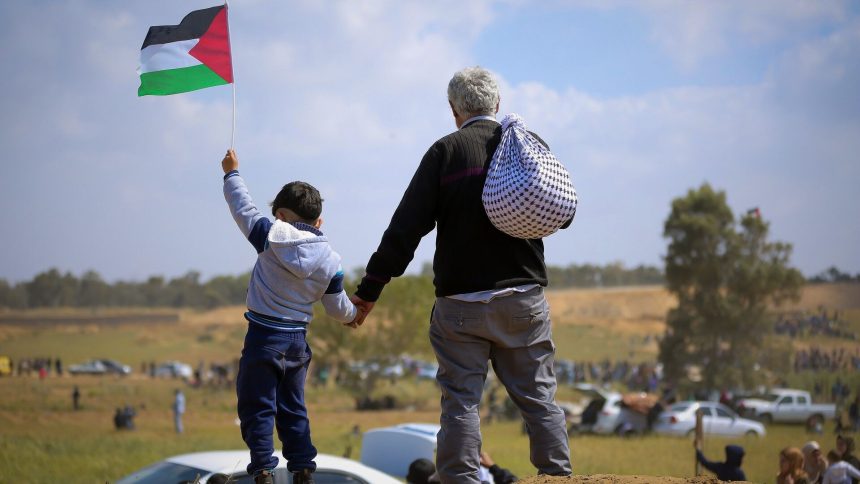
In the heart of Gaza, where the ebb and flow of life often dances to the somber rhythms of conflict and recovery, a significant milestone has emerged from the waves. The US-built pier, a vital lifeline for the region, has recently undergone repairs that promise to re-establish crucial ties to the outside world.
As aid prepares to flow through these rehabilitated channels, this article delves into the implications of the pier’s reconnection—exploring not only its impact on the local economy and humanitarian efforts but also the broader geopolitical currents that shape the region. With the tide turning in favor of renewed hope, the revitalized infrastructure stands as a testament to resilience and the enduring search for stability in a landscape often marked by upheaval.
US-Built Pier Restored: A Gateway for Humanitarian Aid
An extraordinary feat of engineering and humanitarian spirit, the US-built pier in Gaza is back in operation following restorative work. Initially constructed as a beacon of support and a much-needed gateway for essential supplies, the structure had suffered significant wear and tear. The restoration work opens an essential channel that was closed for a period, cutting off vital resources to the beleaguered region.
The pier, which was built with the specific aim of facilitating quicker and more efficient dispatch of aid, underwent several stages of repair. The transformative work includes:
- Structural Strengthening: The central and side piers have been considerably strengthened to withstand the continuous usage and volatile weather conditions.
- Surface Repair: The surface of the pier, which was worn down and broken in many places, has been completely resurfaced for a smoother operation of vehicles transporting the aid.
- Dock Improvements: Adjustments, maintenance, and improvements have also been made to the dockside mechanisms and equipment.
| Repaired Component | Benefits |
|---|---|
| Structural Strengthening | Enhanced durability against weather and cargo wear |
| Surface Repair | Smoother operation of transportation vehicles |
| Dock Improvements | Efficient docking and undocking of vessels |
As another dawn greets the restored pier, it stands as a symbol for the uninterrupted flow of humanitarian aid into Gaza. The rejuvenation is expected to dramatically ramp up the pace and efficiency of aid delivery to the Israeli-blockaded territory.
Strategic Implications of the Reconnection for Gazas Economy
The repair and reconnection of the US-built pier in the Gaza Strip is anticipated to have far-reaching effects on the area’s economy. As one of the most critical infrastructure in the region, it will play a central role in enabling a smooth flow of aid and boosting trade. The pier serves as a crucial lifeline for the importation of vital goods such as food, medicine, and construction materials.
The following are some key areas of Gaza’s economy that will be impacted positively:
- Increased Trade Flow: A functional port showcases an opportunity for bolstering trade. It enhances local businesses’ capacity to import and export, thus fostering economic growth.
- Boost to Local Employment: Increased operations at the pier will generate employment opportunities. The direct employment in port operations, coupled with indirect employment in affiliated sectors, will significantly reduce unemployment rates.
- Improved Aid Flow: Relief organizations will have an unobstructed route to transport much-needed humanitarian aid, directly positively impacting the population’s wellbeing.
Below is a table to further illustrate the projected economic pros:
| Impact Area | Absolute Impact |
|---|---|
| Trade | Increased Import/Export Volume |
| Employment | Job Creation |
| Aid | Improved Relief Efforts |
Conclusively, the pier’s reconnection is expected to usher in an era of economic revitalization for the Gaza Strip. It lights up a beacon of hope for the region, marking a key milestone towards tackling its economic challenges.
Facilitating Efficient Aid Distribution: Best Practices to Implement
Following a temporary hiatus, the US-built pier in Gaza has been reconnected following necessary repairs to allow the smooth delivery of aid to citizens. The imminent re-operationalization of the pier is being hailed as a significant milestone, which has made it possible to streamline and expedite aid distribution in the shortest time possible. This sanguine development has emerged as a paradigmatic example of The Cycle of Aid model in efficient aid dissemination.
A few vital processes intrinsic to the efficient Cycle of Aid include, but are not limited to:
-
- Proactive and Reactive Repairs: Having mechanisms to detect potential damage and repair them before they can disrupt aid flow.
- Streamlined Procedures: a system of checks in place to ensure seamless flow and dissemination of aid.
- Effective Communication: Clear and regular communication channels to coordinate all operations and ensure effective aid distribution.
- Periodic Evaluation and Mitigation Strategies: Regular assessment of operational procedures and readiness to embrace newer, more efficient strategies.
| Distribution Point | Status | Next Step |
|---|---|---|
| Gaza Pier | Reconnected | Aid Flow Reestablishment |
| West Bank Distribution Centre | Operational | Efficiency Assessment |
| Northern Border Crossing | In Repair | Expected to be Operational in Week |
These mentioned factors have played a crucial role in the successful repair and reconnection of the US-built pier, promising a more rapid and organized aid distribution in the strife-ridden region. Undeniably, the Cycle of Aid model’s implementation has marked a significant shift in the paradigms of aid distribution.
Long-Term Solutions: Strengthening Infrastructure for Future Resilience
One of the most significant steps towards long-term development in Gaza has been the restoration of the US-built pier. The resurgence of the pier is indeed a beacon of hope for the local population as it promises to boost the economy by facilitating aid and trade.
Renovation & Strengthening
The recently repaired pier has not only been restored to its former glory but has also been fortified to withstand the onslaught of any possible future adversities. This has been achieved primarily through:
-
-
- High-quality construction materials: High-durability materials have been used for the repairs, drastically reducing the likelihood of repeated breakage limits.
- Modern engineering methods: The infrastructure has been bolstered by the application of the latest engineering techniques that provide enhanced strength and resistance.
- Specialized workforce: The workforce involved in the renovation process was carefully chosen for their expertise in dealing with durable construction methods.
-
Impact & Future Resilience
| Facet | Impact |
|---|---|
| Trade | Improved flow of goods and services. |
| Aid | Easier access for humanitarian aid and support. |
| Fishing industry | Revival of the local fishing industry and aquatic businesses. |
| Employment | Generation of new jobs around docking, loading, and unloading activities. |
The resilience of the upgraded pier will stimulate local economy and drive future sustainability in the region. Most importantly, it offers a model for other infrastructural development projects that exhibit endurance and adaptability in the face of adversity.
Final Thoughts
As the dust settles on the recent repairs of the US-built pier in Gaza, a sense of cautious optimism emerges. This critical infrastructure, long viewed as a lifeline for the besieged region, has resumed its operations, promising the influx of much-needed aid.
The reconnection of this vital artery not only signifies a restoration of hope but also highlights the perseverance of communities facing unprecedented challenges. As humanitarian efforts prepare to roll in, the world watches closely, hoping that this step will lead to a more stable and supportive environment for Gaza’s residents. While the journey ahead remains fraught with obstacles, the reactivated pier stands as a testament to the resilience of human spirit and the enduring need for compassion in times of crisis.


