


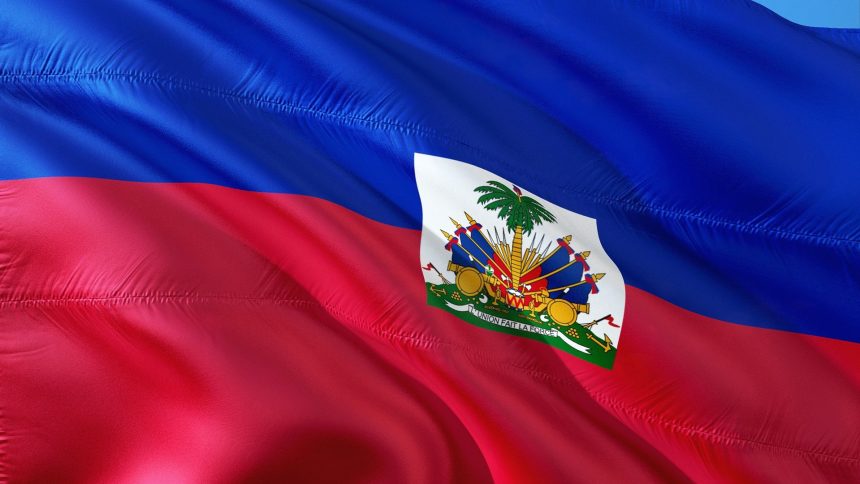
As the sun rises over the Caribbean, the rhythmic waves that caress Haiti’s shores tell a story of beauty and resilience, yet they also echo the shadows of turmoil that have long haunted the nation. Today, Haiti stands at a critical crossroads—a complex web of political instability, economic hardships, and environmental challenges has ignited a surge of migration that not only threatens the fabric of the Haitian society but also reverberates across borders, stirring anxieties within the United States.
In this article, we will delve into the multifaceted crisis gripping Haiti, exploring how the migration wave is prompting U.S. officials to reconsider their approach to neighboring nations and the implications of these developments for both countries. As the dialogue surrounding migration intensifies, it becomes imperative to unpack the underlying causes, the human stories behind the statistics, and the potential pathways for resolution in a region yearning for stability and hope.
Addressing the Humanitarian Emergency in Haitis Tumultuous Landscape
Amid the adjacent challenges presented by Haiti’s political unrest and the recent disastrous earthquake comes the disturbing rise in human desperation, leading to increased migration attempts. The United States, being a close neighbour and a region with supposed promising opportunities, stands to bear the brunt of this desperate migration. Sadly, however, the US finds itself ensnared in a tricky situation: aid Haiti with significant resources or risk a possible influx of Haitian migrants across its borders. As such, Washington’s stance on Haiti’s ongoing crisis is being closely observed by humanitarian organizations and policymakers globally.
Issues surrounding the Haiti crisis are multi-faceted, each demanding urgent attention. Here are four major concerns:
- The escalating insecurity, with armed gangs seizing control of essential lifelines and infrastructure, is troubling.
- The aftermath of the 7.2 magnitude earthquake, an unhealed disaster, continues to exacerbate the precarious situation.
- Political instability has heightened following the assassination of the country’s president, Jovenel Moise.
- The alarming state of Haiti’s economy coupled with looming threats of food insecurity.
| US Action | Expected Impact |
|---|---|
| Increased Aid | Relief measures can help to alleviate immediate humanitarian needs and possibly deter migration influx. |
| Delayed or Inadequate Response | Could potentially result in an exacerbation of the migration crisis, posing serious border security issues. |
Amid these complexities, the need for the US to act swiftly and judiciously cannot be overemphasized. The choices made will not only impact Haitians but also significantly implication for the security and humanitarian landscape of the region. With this, the world watches as the US charts its path in tackling this complicated and multifaceted issue.
Understanding the Drivers of Migration Amidst Political and Economic Instability
As the already troubled nation of Haiti descends deeper into political turmoil following the assassination of President Jovenel Moïse, concerns are rising alarmingly across the globe regarding the potential exacerbation of emigration from the impoverished Caribbean country. This unease is especially tangible in the United States, starkly reminding of the 1990s situation when thousands of Haitians took to the seas in primitive boats seeking asylum in Florida.
The drivers of migration are multifaceted and range from political to socio-economic issues. People generally leave their homeland seeking better opportunities and an improved quality of life, often heavily driven by:
- Political instability: Frequent changes in government, political violence, and conflict contribute massively to forced migration.
- Economic instability: When countries face economic downturns, recession, or severe poverty, citizens often choose migration as a survival strategy.
- Human rights concerns: A state’s inability or unwillingness to protect individual rights often prompt people to seek protection elsewhere.
WordPress_Table_Including_Examples_of_Drivers_of_Migration
| Country | Political Instability | Economic Instability | Human Rights Concerns |
|---|---|---|---|
| Haiti | High (assassination of President) | High (severe poverty) | High (violence and insecurity) |
| Venezuela | High (political conflict) | Extreme (hyperinflation) | High (human rights crisis) |
| Syria | Extreme (civil war) | Extreme (war economy) | Extreme (humanitarian crisis) |
Understanding these drivers can help the global community better manage migration crises and advocate for sustainable changes in the countries of origin, curbing the need for such mass exodus.
US Policy Responses: Balancing National Security and Humanitarian Obligations
The recent Haiti crisis has put the United States in a tight spot. The US, grappling with its own internal issues, has been forced to find a balance between national security and its humanitarian obligations. With its close geographical proximity and historical ties with Haiti, the obligation of managing the humanitarian crisis falls heaviest on its shoulders. However, the political turmoil, potential escalation of violence, and the subsequent surge in Haitian migration have raised genuine concerns over national security.
While humanitarian aid remains a priority, the U.S. Government has undertaken measures to protect its borders.
- Immigration Control: An increased surveillance on the border is a measure the U.S. has taken in response to the anticipated increase in migration. A balance is being sought to allow humanitarian shelter, while also preventing illegal immigration.
- International Partnerships: The U.S. is seeking partnerships with international organisations and neighboring countries to share the responsibilities of the crisis. The goal is to ensure a coordinated and comprehensive response to the crisis without single-handedly bearing the entirety of its weight.
- Strategic Political Intervention: Efforts are being made to restore stability in Haiti by working closely with the country’s political apparatus. A stable political environment in Haiti would indirectly check the potential migrant influx.
| Measure | Beneficiary |
|---|---|
| Increased Border Surveillance | National Security |
| International Partnerships | Humanitarian Obligations |
| Political Intervention | Both National Security and Humanitarian Obligations |
At the heart of this balancing act lies the longstanding debate on immigration policy and the role of the United States in global crises. The recent developments in Haiti have not only tested the mettle of the U.S. humanitarian responsibilities but have also thrown light on its often criticized immigration policies.
Building Sustainable Solutions: International Cooperation for Long-term Stability in Haiti
The recent political crises in Haiti have sparked widespread global concern. With the unrest leaving a significant impact on the Haitian communities, the focus has shifted toward managing the migration of those affected. The United States, in particular, is concerned about the escalation of this crisis. There are apprehensions on various fronts – political stability, economic implications, humanitarian needs, and of course, the potential influence on regional migration.
Emergency Assistance and Long-term Development are being considered as immediate potentially effective solutions. To address the immediate need, provision of lifesaving aid to vulnerable Haitians must be prioritized.
- Food security: with plans to distribute food kits to families in affected areas.
- Healthcare: through the provision of essential medical supplies and services.
- Education: by creating safe learning environments for displaced children.
For the long-term stability, the international community’s focus is on strengthening Haiti’s political, economic, and social infrastructures.
| Long-term Development strategies | |
|---|---|
| Political | Encouraging peaceful democracy by facilitating fair elections |
| Economic | Boosting employment and economic growth through international investments |
| Social | Enhancing literacy and healthcare services across rural and urban communities |
However, curtailing the crisis and reducing the number of migrants on the perilous journey to the US isn’t a task US alone can accomplish. International collaboration is crucial – collective actions from global players, as well as empathetic, appropriate decisions in policy-making. With measures implemented in spirit of cooperation, there’s optimism that stability can be restored in Haiti and migration can be stemmed.
To Wrap It Up
As the sun sets over the Haitian landscape, casting long shadows on a crisis that seems unending, the complexities of migration reflect a profound struggle—one intertwined with hope, desperation, and a yearning for security. The United States, watching closely from afar, grapples with the delicate balance of humanitarian responsibility and national interest in the face of an increasingly dire situation.
While the circumstances driving this exodus are deeply rooted in historical strife, economic instability, and political discord, the implications ripple far beyond Haiti’s shores. For both nations, understanding and addressing these challenges is paramount to fostering stability and promoting human dignity.
As we conclude this exploration of the Haiti crisis and the ensuing migration concerns, it becomes evident that the narratives of possibility and peril are forever interwoven. In a world where borders can sometimes feel like barriers to compassion, perhaps the greatest challenge lies not just in policy, but in our collective ability to empathize and act with purpose.
The path ahead remains uncertain, but the stories that emerge from this crisis will undoubtedly shape the dialogue in the months and years to come. Here’s hoping that, amidst the turbulence, a collaborative approach can pave the way for a brighter future for Haiti and its people.


