


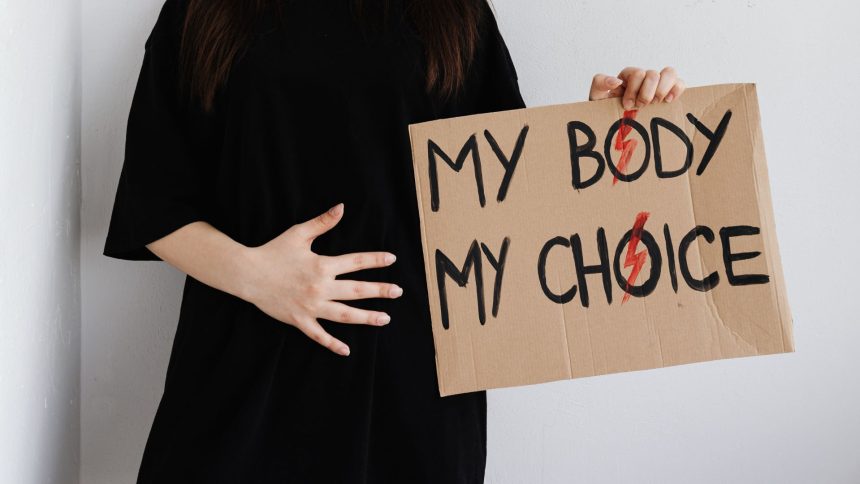
In the sun-kissed Caribbean, where vibrant cultures and breathtaking landscapes intertwine, a profound and contentious debate unfolds behind closed doors and beneath the azure skies. As voices rise amidst the rhythmic sounds of calypso and soca, a growing movement is challenging restrictive abortion laws that have long governed reproductive rights in the region. With a history steeped in colonial legacies and the continuing interplay of tradition and modernity, the fight for autonomy over one’s own body confronts deep-seated societal norms and legal constraints.
This article delves into the complexities of this urgent issue, highlighting the perspectives of activists, lawmakers, and the individuals affected by these laws, as they navigate the delicate balance between cultural values and the quest for personal freedom. Join us as we explore the multifaceted landscape of reproductive rights in the Caribbean and the courageous efforts to redefine the narrative surrounding abortion access in this vibrant part of the world.
Emerging Voices: Grassroots Movements Advocating for Reproductive Rights in the Caribbean
Despite the arduous journey, these movements continue to push for change. They have not only held countless community meetings, public seminars, and webinars but also engaged in legal battles, and lobbied for change with parliamentary representatives. They have used social media as a tool to garner global attention and rallied on the streets to keep this issue in the public eye.
In addition to advocating for rights, these grassroots movements also provide vital services such as counseling, support for women dealing with complications from unsafe abortions, access to contraceptives, and information dissemination. In serving their communities, they have become a beacon of hope, signaling the possibility of a future where Caribbean women can make informed choices about their bodies without fear.
Legal Frameworks and Their Impact: Navigating the Complexities of Abortion Legislation
In recent years, the Caribbean islands have garnered international attention for their strictly enforced legislation on abortion. These laws not only heavily limit access to safe and legal abortion services, but also impose severe penalties on women who seek these services and healthcare providers who perform them. The gravity of the situation cannot be understated. In Jamaica for example, the punishment for the operation of unlawful abortions is a life sentence in prison.
The history of these restrictive laws can myopically be traced back to the colonial era, where many of the territories established laws in-line with the British Offences Against the Person Act of 1861. This means that many of these laws are seriously outdated and ill-suited to today’s society and the changing role of women in it. To give an overview of the current law for each country, here is a brief table:
| Country | Current law |
|---|---|
| Bermuda | Abortion is only legal to save the life of the mother, to preserve physical health, and/or to preserve mental health. Illegal procedures are punishable by life in prison. |
| Jamaica | Abortion is only legal when the woman’s life is in danger. Illegal procedures are punishable by life in prison. |
| Trinidad and Tobago | Abortion is only legal to save the life of the mother. Illegal procedures are punishable by four years in prison. |
However, on an optimistic note, various non-governmental organizations (NGOs) and health activists are relentlessly challenging these restrictive laws and working towards reforming the legal framework around abortion. This includes:
- Running public awareness campaigns: These are aimed at dispelling myths and misinformation about abortion and educating people about the harms of restrictive laws and unsafe abortions.
- Lobbying for legislative change: NGOs are pushing for reforms that allow for safe and legal abortion services, in line with international human rights standards.
- Providing safe abortion services: Despite the tight legal constraints, some organizations such as Planned Parenthood Federation and Women on Waves have bravely provided safe abortion services to women in need.
By challenging these restrictive laws, these brave advocates are not only fighting for women’s rights but also saving lives and improving public health. After all, where abortion is banned or heavily restricted, unsafe abortions increase, leading to a tragic loss of life.
Cultural Sensitivity and Public Perception: Bridging the Gap for Meaningful Dialogue
Understanding the tangled web of cultural sensitivity and public perception is a pivotal step towards achieving equitable abortion laws in the Caribbean. Yet, the journey to modify these laws requires a holistic dialogue on societal norms, longstanding cultural beliefs, values, biases, and prejudices. Cultural sensitivity plays a crucial role in this delicate conversation.
Swaying the Public Perception
Shifting public perception on this issue is a Herculean task. The deeply embedded cultural and religious norms that sway public opinion towards a negative perception of abortion can be challenging to navigate. However, to drive meaningful discussions, it is important to:
- Overcome Stigma: Counter the stigma associated with abortion through open conversations on reproductive rights.
- Understand the Cultural Narrative: Understand and respect the cultural and religious backdrop to these restrictive laws, to navigate an empathetic dialogue that can lead to a progressive change.
- Engage Influential Figures: Garner support from community leaders and influencers to sway public opinion.
- Focus on Women’s Rights: Highlight the importance of women’s bodily autonomy and agency in decisions relating to their health and well-being.
The road ahead is gruelling but essential. The time is ripe to challenge the restrictive abortion laws in the Caribbean. Let’s bridge the gap between cultural sensitivity and public perception for a conversation that can save lives.
| Country | Current Abortion Laws |
|---|---|
| Jamaica | Prohibited unless the mother’s life is in urgent danger |
| Trinidad and Tobago | Prohibited except to save a woman’s life |
| Bahamas | Abortion is illegal except to preserve the mental and physical health of the woman |
Strategies for Change: Collaborative Approaches to Reforming Abortion Laws in the Region
In the fight for reproductive rights, devising innovative strategies is instrumental in achieving a significant shift in the restrictive abortion laws prevalent in the Caribbean region. Collaborative approaches that involve diverse stakeholders can enhance the advocacy for changing these stringent laws. This strategy recognizes the influence of various actors, from activists and policy makers to the judiciary and religious institutions. For successful enactment of reform, the following components play a critical part:
- Awareness Campaigns: Public education about reproductive rights and the negative impact of restrictive abortion laws can change perceptions and attitudes.
- Legislative Advocacy: Working directly with lawmakers to draft more progressive laws that respect women’s reproductive rights.
- Legal Action: Employing strategic litigation to challenge the legality of restrictive laws at domestic and international levels.
- Coalition Building: Partnering with local, regional, and international organizations can amplify the campaigning efforts.
Not only are these general strategies valuable in pushing for pertinent changes, but also understanding the context and various aspects of abortion laws in different Caribbean countries serves as a crucial element in the formation of successful plans. To demonstrate, we will provide an analysis of three distinctive legislative scenarios below:
| Country | Current Abortion Law | Potential Starting Point for Reform |
|---|---|---|
| Jamaica | Prohibited entirely | Human rights approach arguing for women’s right to life and health |
| Barbados | Allowed under strict conditions | Challenge restrictive conditions and push for liberalization |
| Trinidad and Tobago | Components of colonial-era laws still in place | Decolonization narrative to shift law-making perspectives |
given the religious, cultural, and political complexities of abortion laws in the Caribbean region, a collaborative, context-specific, and multi-faceted approach is essential for effective reform. It takes not just the effort of individuals, but a collective will to ensure that these changes occur.
In Retrospect
In navigating the intricate web of reproductive rights in the Caribbean, it becomes clear that the struggle against restrictive abortion laws is not merely a legal battle, but a profound human experience. The stories of those advocating for change illuminate the resilience of individuals and communities who seek autonomy over their own bodies and lives. As we explore the cultural, political, and social dimensions of this ongoing fight, it is imperative to consider the diverse perspectives that shape the discourse around abortion.
The path ahead may be fraught with challenges, but each step taken towards advocacy, awareness, and dialogue brings us closer to a future where choice and compassion transcend the confines of outdated legislation. In this mosaic of voices and histories, the quest for reproductive justice continues, reminding us that change is not only possible—it’s imperative.


