


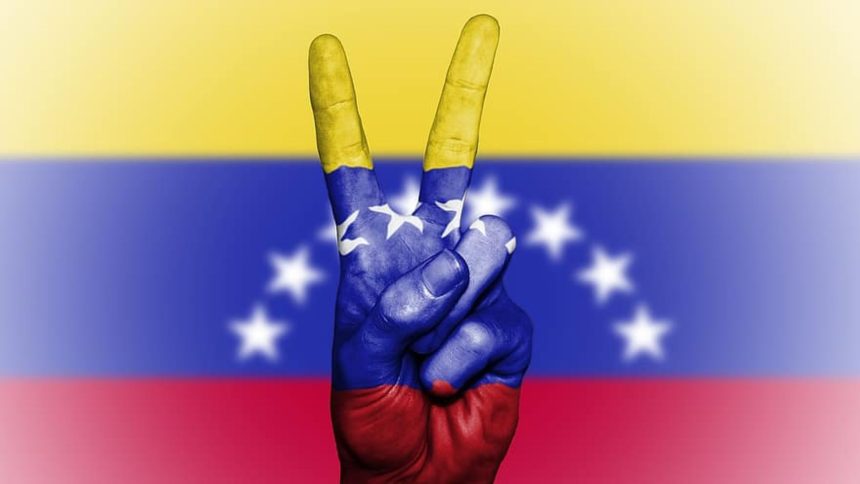
In the heart of Venezuela, where political tensions simmer like a pot on the verge of boiling over, the atmosphere is charged as the nation braces for a series of planned protests. With the opposition rallying against an entrenched government, the stakes have never been higher. However, recent developments have cast a shadow over the opposition’s efforts: the unexpected detention of a prominent lawyer representing a leading opposition figure.
This arrest not only raises questions about the principles of justice and due process in a country grappling with a deep-seated crisis but also serves as a stark reminder of the fragile balance between power and dissent. As the nation stands on the precipice of civil unrest, the implications of this detainment reverberate beyond the courtroom, signaling a potential escalation in the struggle for democracy in Venezuela.
Implications of Legal Retaliation against Opposition Figures
The recent actions of the Venezuelan government raise complex questions about the collective repercussions of legal retaliation against political opposition figures. The detention of an opposition leader’s lawyer ahead of the planned protests could be interpreted as an attempt to curtail freedom of speech and movement, infringing on the fundamental human rights of involved individuals.
The broader implications of these actions could be:
- A chilling effect on political dialogue and dissenting voices
- Fomentation of fear, leading to self-censorship among public and opposition figures
- Increase in corruption and state tyranny due to lack of checks and balances through opposition
- Erasure of democracy and suppression of ideas leading to a fascist regime
| Year | Opposition Figures Detained |
|---|---|
| 2017 | 650 |
| 2018 | 800 |
| 2019 | 950 |
| 2020 | 1200 |
This table indicates an alarming uptick in the detainment of opposition figures in Venezuela over the past few years. Understandably, this breeds a political climate that is volatile and hostile to dissent, effectively snuffing out voices of disagreement and potentially leading to autocratization and human rights infringement. Both national and international bodies must remain vigilant to prevent any further disruption of democratic processes and ensure the protection of fundamental human rights.
Analyzing the Escalation of Tensions in Venezuelas Political Landscape
In the midst of the ongoing crisis, the tension escalates in Venezuela’s unstable political landscape with the detention of opposition leader’s lawyer. This recent development is the latest in a series of events pointing to an increased friction between President Nicolas Maduro’s regime and the opposing forces. It is yet another herald of the fresh protests impending on the horizon.
- The opposition’s calls for protest have grown in intensity, following the recent arrest. The leader’s legal advisor was taken into custody without a transparent reason, conjectured to be related to his participation in challenging the government’s ruling. This has further incensed the protesters, fueling them for another round of demonstrations against the Maduro administration.
- The international community is closely watching as the political tug of war wages on in Venezuela. The detention adds another layer of complexity to the country’s already volatile political situation, causing concerns about the escalating repression of the opposition. This has led to widespread criticisms, with demands for the immediate release of the detained lawyer.
- With plans for more rallies still on the table, the political atmosphere in Venezuela grows increasingly tensed. The crackdown on opposition forces continues unabated, raising questions about the state’s commitment to the rule of law.
| Detained Opposition’s Lawyer | Venezuela’s State’s Response |
|---|---|
| Taken into custody without transparent evidence | Defended actions as rule of law |
| Global demand for immediate release | Maintains sternness in face of international condemnation |
| Has fanned the flames for upcoming protests | Remains unbowed against mounting opposition |
As the crisis escalates, the state of democracy in Venezuela teeters on the edge. Only time will tell where the tides of protests will lead, as the citizens continue their fight against government repression. Meanwhile, the international pressure builds up, making Venezuela’s political landscape a significant area to watch out for in the global arena.
The Role of International Community in Supporting Democratic Movements
As unsettling scenes continue to unfold in Venezuela, particularly with the recent arrest of the opposition leader’s lawyer, it becomes increasingly apparent that the international community’s role in backing democratic movements is crucial. Indubitably, the apprehension of the opposition’s legal representative before mass protests not only undermines the principles of justice, but also encroaches upon the democratic values that the world has fought so hard for over centuries.
The international community can offer three primary forms of support to embattled democratic movements in countries like Venezuela:
- Promotion of Diplomatic Dialogue: This entails facilitating conversations and negotiations between all stakeholders to foster a peaceful resolution.
- Advocacy for Human Rights: By maintaining the spotlight on human rights violations through various platforms, global pressure can be applied on oppressive regimes.
- Economic Sanctions or Aid: Depending on the circumstance, nations can be economically pressured to make democratic reforms or given financial assistance to bolster democracy.
Gauging the current state of affairs in Venezuela, such principled and effective intervention from nations worldwide is vital for the survival of democracy in the country. The table below succinctly captures the aforementioned ways in which the international community can lend its support, including the effects that each method can bring.
| Method | Effect |
|---|---|
| Promotion of Diplomatic Dialogue | Deescalates tension and hinders violence |
| Advocacy for Human Rights | Exerts moral pressure on ruling authorities, potentially curtailing abuses |
| Economic Sanctions or Aid | Incentivizes the ruling regime to initiate democratic reforms for its survival |
Strategies for Effective Advocacy and Solidarity During Civil Unrest
As the political crisis in Venezuela aggravates, many human rights advocates are looking for efficient strategies to fight for justice and show solidarity towards affected individuals. In this context, strategic advocacy becomes a crucial tool to support the cause of the civil unrest participants. For instance, platforms that spread awareness using personal narratives and real-life experiences can bring international attention to the crisis. This strategy facilitates a broader understanding of the reality on the ground.
Responsibility awareness is another effective strategy. Non-Venezuelans can show solidarity by teaching themselves about Venezuela’s history and current state. They may then share this information within their communities and networks to bring increased awareness and suppress misinformation. Let’s outline some actions that can be undertaken:
- Share reliable reports and articles about the situation in Venezuela on social media.
- Encourage participation in peaceful protests and gatherings, locally and internationally.
- Contact local politicians and request them to address the issue.
Additionally, financial donations can be instrumental in supporting Venezuelan organizations dedicated to safeguarding human rights and providing aid. Here are some of these organizations:
| Organization | Focus area |
|---|---|
| Foro Penal | Legal aid |
| Acción Solidaria | Health and medicine |
| Alimenta La Solidaridad | Hunger relief |
Finding the right balance in advocacy during times of civil unrest can be challenging. However, staying informed, sharing this information, and providing material support when possible are good places to start. Most importantly, steadfast solidarity through small, consistent actions can make a big difference.
Closing Remarks
As the sun sets over Venezuela, the shadows of political strife and uncertainty continue to loom large. The recent detention of the opposition leader’s lawyer underscores the complexities of a nation grappling with profound challenges. As protests are set to erupt, the hopes of many rest on a fragile and tumultuous stage where voices demand change, resilience, and justice. The unfolding events not only highlight the urgent need for dialogue but also serve as a stark reminder of the lengths individuals are willing to go in the fight for their beliefs.
In the days to come, one can only hope that amidst the turmoil, paths to peace and understanding will emerge, illuminating the way forward for a nation yearning for stability and democratic renewal. The eyes of the world remain fixed on Venezuela, eager to witness the developments that could shape its future.


