


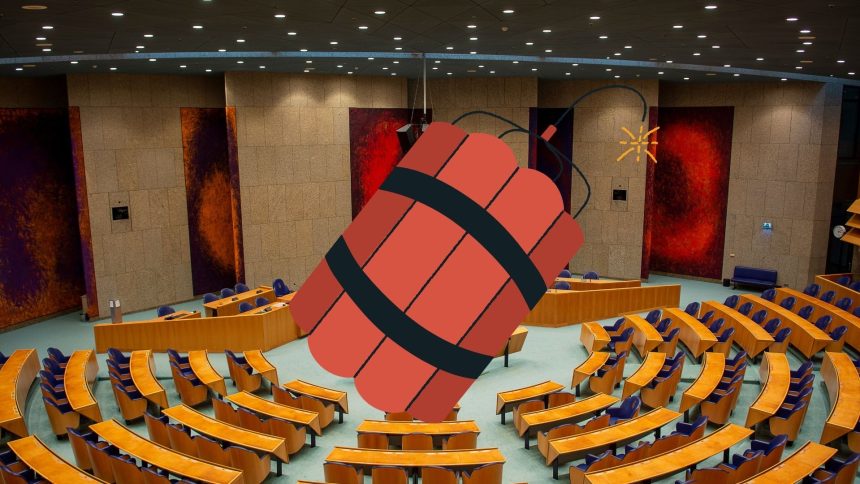
In the intricate world of politics, where ambitions collide and ideologies clash, the path to power often attracts a tumultuous mix of fervor and dissent. Recently, the nomination process for key positions within the Trump administration has been shadowed by an unsettling trend—bomb threats directed at cabinet nominees. These alarming incidents raise critical questions about the intersection of political fervor and public safety, as the stakes of political discourse evolve in an unpredictable landscape.
This article delves into the implications of these threats, the responses from law enforcement, and the broader context of political polarization in America, shedding light on a phenomenon that reveals much about the current state of the nation’s democratic processes.
Understanding the Context of Bomb Threats Targeting Trump Cabinet Nominees
The increasing prevalence of bomb threats targeting key nominees for President Trump’s cabinet has become a cause for deep concern. These threats, which are primarily conveyed through email, have been directed at various prestigious figures in the government. Such instances have become all too common, underlining the imperative need for comprehensive countermeasures and prevention strategies.
Key recipients who have been targeted include Nikki Haley, Steve Mnuchin, and Ben Carson. These threats not only endanger the lives of these individuals, but they also disrupt the smooth functioning of the administration and stoke widespread fear and unrest. It is crucial to understand who these threats are coming from, their motivation, and the methods used in delivering these threats.
The origin of bomb threats:
- Variably traced back to disgruntled individuals with strong political views and radical organizations.
- Increasingly, there is an alarming growth in the number of threats originating from overseas.
Nature and delivery of these threats:
- Primarily communicated via email but there have also been instances of social media usage.
- Often come with demands, ultimatums, or politically-motivated messages.
| Trump Cabinet Nominees | Threat Source |
|---|---|
| Nikki Haley | Unidentified political extremist |
| Steve Mnuchin | Overseas based cyber group |
| Ben Carson | Domestic radical individual |
The administration has taken stringent actions to counter these threats, which involve tightening security measures and coordination with federal agencies to track down the sources. The situation underscores the necessity of enhancing our cybersecurity framework and revisiting our strategies in preventing similar threats in the future. We must stand resolute in tackling these challenges not only for the safety of these individuals but also for the stability and security of our nation.
Examining the Impact of Threats on Political Discourse and Public Safety
The year 2016 marked a significant period in the US political sphere, with unprecedented tensions mirroring the hard-fought presidential election. One particular incident that shook the nation was the bomb threats made against key figures in the Trump cabinet. This not only brought to question the implications on political discourse, but also raised serious concerns about public safety.
The bomb threats were not just random instances. These were targeted assaults against personalities like Jeff Sessions, who was nominated for Attorney General, and Steve Mnuchin, the treasury nominee. Repercussions of these threats rippled through everyday political conversations, aggravating the already tense situation.
The following table represents the incidents:
| Nominee | Office | Date of Threat |
|---|---|---|
| Jeff Sessions | Attorney General | January 10, 2017 |
| Steve Mnuchin | Treasury | January 19, 2017 |
The implied message of aggression by these threats trickled down into the public sphere resulting in heightened emotions and polarized public discussions. These instances also raised critical concerns about the safety not only of political figures but also the security blanket of the nation itself. It was clear – fear, apprehension, and uncertainty hung like a dark cloud over the nation.
- Threats unleashed a wave of anxiety, affecting political discourse at personal, societal, and national levels.
- Challenged the boundaries set for political disagreements and rivalries.
- Sowed seeds of doubt regarding the safety measures in place for powerful political figures.
While the threats may not have resulted in physical violence, the psychological tremors it sowed within the society were potentially even more damaging. It stood as a stark reminder of the thin line separating civil political discourse and predisposition towards violence, disrupting harmony and public safety.
Strategies for Enhancing Security Measures for Political Figures
The unprecedented surge in security threats targeted at politicians and cabinet nominees raises significant concerns regarding the efficiency of the current security measures in place. The relentless bomb threats towards President Trump’s cabinet nominees is a case in point. Therefore, it is critical to reconsider and devise new strategies to avert these imminent dangers.
Intensifying Intelligence Gathering: It’s time we leveraged the full potential of the intelligence services. Undertaking in-depth investigations into possible threats and keeping an update on emerging ones should be a major focus. Furthermore, these authorities should engage in constant surveillance of individuals and groups that pose potential risk.
- Re-enforcing Protective Details: Multiple check-points, use of cutting-edge technology for threat detection, employing decoys, and randomizing travel routes and schedules can throw off potential attackers.
- Implementing Cyber Security Measures: With today’s digital realm offering an easy platform for criminal activities, cyber security is a must. Encrypting sensitive communication, installing firewalls, and regularly updating security protocols should be made mandatory.
- Public Awareness and Education: Ensuring that constituents perceive the gravity of these threats is vital. Ongoing public awareness campaigns can aid in the identification and reporting of suspicious activities promptly.
The table below represents the suggested additional security services that should be provided:
| Security Enhancement | Benefits |
|---|---|
| Advanced Threat Detection Technology | More accurate, quicker threat detection |
| Cyber Security Measures | Protection against digital threats |
| Intelligence Gathering | Stay ahead of threats |
| Public Education Campaigns | Increased vigilance and reporting |
These proactive strategies should help mitigate threats towards political figures, ensuring their safety and the overall national security.
Promoting Dialogue and Resilience in the Face of Political Extremism
In recent developments, a wave of bomb threats has been directed towards nominees of President Donald Trump’s cabinet, igniting a show of unrest and extremism in the political sphere. Living in a time of diverse opinions, the threat to peaceful political dialogue is increasing exponentially. Hence, it’s imperative to address these issues, fostering understanding, resilience, and open conversations to prevent further escalation.
Enhanced security measures have been enforced in response to these threats exactly for the nominees such as The Honorable Mike Pompeo, The Honorable Ben Carson, and more. Understandably, this situation has prompted a serious concern for the safety and well-being of everyone involved, as well as the inherent democratic processes. Below is a brief table of some of these nominees and the escalated measures taken for their protection.
| Name of Nominee | Security Measures |
|---|---|
| The Honorable Mike Pompeo | 24/7 Secret Service Detail |
| The Honorable Ben Carson | Armor-plated Car |
Addressing the ongoing threat of political extremism requires a multipronged approach that includes:
- Heightened Security: Ensuring the safety of public figures is a primary concern. Being vigilant about suspicious activities is crucial, as well as implementing strict security protocols.
- Public Awareness: Educating the public about the harmful impacts of political extremism can play a significant role in curbing these behaviors. Ensuring every citizen is aware of the dangers and potential consequences can lead to more accountable actions.
- Open Dialogue: Encouraging open and fair political discourses without elements of threat or violence can promote greater understanding among varying political views.
In these trying times, resilience is key. It’s crucial for the nation – its people and its leaders alike – to stand steadfast while condemning any acts of extremism.
Future Outlook
As we conclude our exploration of the unsettling phenomenon of bomb threats directed at Trump cabinet nominees, it becomes clear that the intersection of politics and personal safety remains a deeply concerning reality. The motivations behind such threats are complex, reflecting broader societal tensions and divisions. While political discourse has long been contentious, the emergence of violent threats underscores the urgent need for a national conversation about the respect and security of those who serve in public office, regardless of their affiliations.
As our political landscape continues to evolve, it is imperative to foster an environment where dialogue prevails over intimidation, and where the democratic process is safeguarded from fear. Understanding the gravity of this issue can empower us to advocate for a more civil political culture that honors both dissent and the safety of individuals involved in governance. the call for civility in political discourse has never been more urgent—together, let us strive to shape a future that prioritizes dialogue, respect, and security for all.


