


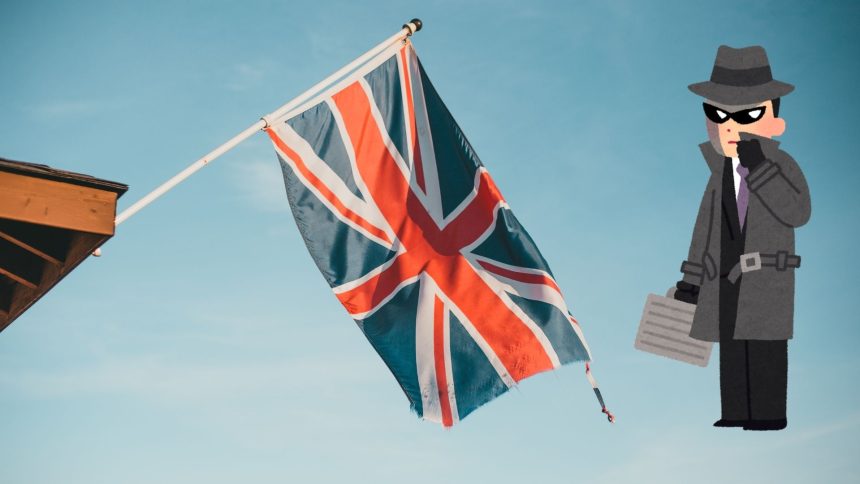
In the intricate web of international relations, few threads are as delicate as those spun between Russia and the United Kingdom. A recent chapter in this complex narrative unfolded as Russia announced the expulsion of a British diplomat, citing allegations of espionage that have rattled the already fraught diplomatic landscape.
As accusations fly and tensions escalate, the incident serves as a stark reminder of the longstanding animosity and mistrust that characterize post-Cold War interactions between the two nations. This article delves into the details surrounding the expulsion, the historical context of espionage between the two countries, and the broader implications for international diplomacy.
Understanding the Diplomatic Fallout of Recent Expulsions
In a sudden turn of events, relations between Britain and Russia have taken a massive hit. The recent expulsion of a British diplomat by Russia on grounds of alleged espionage has sent shockwaves through the global diplomatic community. The British diplomat was accused by Russia of engaging in intelligence activities. This incident is not isolated, as there has been a noticeable escalation in the number of British diplomats expelled from various countries worldwide in recent years. In the past year alone, the UK, EU, US, and dozens of countries have expelled Russian diplomats, citing activities “inconsistent with their diplomatic status”.
The impact of these British diplomatic expulsions is multi-dimensional. It not only affects the bilateral relations between the two countries involved, but also has rippling effects on international relations and geopolitics. For instance, multiple countries may get involved either in expressing solidarity or condemning the expulsion, thereby leading to unseen alliances or friction among nations. Additionally, these moves can often cause retaliatory actions, escalating tensions and a breakdown of diplomatic talks.
Notable Expulsions in Recent Years:
- Russia expels British diplomat for alleged espionage (2022)
- Poland expels Russian diplomats for alleged espionage (2021)
- Turkey expels German diplomat due to political accusations (2018)
- US expels 60 Russian diplomats post poisoning of an ex-spy (2018)
| Year | Country expelled from | Allegations |
|---|---|---|
| 2022 | Russia | British diplomat – Espionage |
| 2021 | Poland | Russian diplomats – Espionage |
| 2018 | Turkey | German diplomat – Political Accusation |
| 2018 | US | 60 Russian Diplomats – Poisoning |
These developments serve as a stark reminder that global politics is a complex arena fraught with tensions. As nations continue to navigate through tumultuous diplomatic waters, negotiations and conversations become even more crucial. Lessons from these expulsions must be taken into account to foster better international relationships, promote cooperation and maintain global peace.
Impacts on UK-Russia Relations in the Context of Global Security
Escalating Tensions: A New Spike in the UK-Russia Cold War
In an unprecedented move that reflects a new peak in strained UK-Russia relations, Russia has ordered the departure of a British diplomat suspected of espionage. This flagrant violation of diplomatic conventions represents another hurdle to the resolution of ongoing global security concerns.
The unsanctioned expulsion has sent ripples across international diplomatic circles, exhibiting an increased aggressiveness in Russia’s foreign policy. Raising concerns for global peace and security, the event provides insights into the more extensive complexity of England and Russia’s political ties.
The Broad-Spectrum Ramifications
Such an incident’s impacts extend beyond the immediate diplomatic crux, potentially influencing multiple realms including:
- Military Alliances: The expulsion could instigate retaliations and realignments in existing military alliances.
- International Trade: By instigating uncertainty, the event could impact the UK and Russia’s trade policies and the allied economies.
- Global Policy-making: The incident raises questions on collective policy-making at the United Nations and other international platforms.
Below, you can find a synoptic analysis of the speculated effects on each segment:
| Sector | Impact |
|---|---|
| Military Alliances | Increased tensions and potential realignments |
| International Trade | Tightening of trade policies, impacts on stocks and forex markets |
| Global Policy-Making | Questions and review of voting dynamics in international bodies |
As the international community watches in anticipation, this peculiar yet severe event continues to render an understanding of the UK-Russia relations more elusive. The coming weeks will greatly transform the global diplomatic landscape, delineating the paths these conflicted nations will adopt for the future.
The Role of Espionage Accusations in Modern Diplomacy
In a bold defiance of international norms, Russia provocatively expelled a British diplomat last week on allegations of espionage activities. This regrettable incident fanned the flames of already tense Russo-British diplomatic relations, sounding alarm bells in global diplomatic circles. This is the latest in a slew of expulsion instances as the world grapples with unprecedented diplomatic tensions amidst a digital age conducive to discreet spying operations.
The expelled diplomat is just one of the several foreign diplomats accused annually of covert intelligence collection efforts. At the heart of this dramatic political theatre lies espionage accusations, tools discreetly utilized by states to assert sovereignty, project power, or devalue opponent credibility. To better understand this, consider the following elements that make espionage accusations a strategic diplomatic tool:
- Reputation Damage: Accusations of espionage paint the accused country in a negative and untrustworthy light.
- Asserting Dominance: By showcasing their capacity to unveil clandestine operations, countries demonstrate competence in intelligence, equating to imminent superiority.
- Diplomatic Leverage: Countries can use espionage accusations to gain advantage in negotiation tables, or as payback for perceived slights.
No immunity exempts diplomats from espionage accusations, despite ‘diplomatic immunity’ being widely recognized in international law. To illustrate, the table below lists five similar incidents where diplomats were expelled on espionage allegations in the last decade.
| Year | Country Expelled From | Country of Origin | Alleged Spy’s Role |
| 2012 | Russia | United States | Second Secretary |
| 2014 | Germany | United States | Political Officer |
| 2018 | United States | Russia | First Secretary |
| 2020 | Canada | China | Trade Commissioner |
| 2021 | Russia | United Kingdom | Military Attaché |
In the increasingly complicated world of diplomacy, the role of espionage accusations is contemporarily significant. Yet, reminding ourselves about it reinforces the urgent need for countries to foster transparency and mutual trust – cardinal principles that form the sturdy foundation of international diplomacy.
Strategies for Mitigating Tensions and Enhancing Diplomatic Communication
The diplomatic space has recently been marked by a gust of tensions triggered by Russia’s decision to expel a British diplomat over alleged espionage activities. Although such events cast a shadow over diplomatic relations, they inevitably open the curtain for dialogue and renewed strategies to mitigate the friction. The challenge is multifaceted, entailing not only the cessation of current unrest but also setting the stage for a more harmonious diplomatic environment.
The use of open and transparent communication lines is a fundamental tool. It fosters trust and eliminates unnecessary mystery that can breed suspicion and misunderstanding. Similarly, adopting a solution-focused approach helps avoid escalating problems out of proportion. Instead, diplomats should work collectively to resolve tensions, acknowledging that the overall diplomatic relationship is more significant than individual issues.
- Enhanced channels of communication
- Focus on solution rather than blame
- Embrace mutual respect and understanding
- Promote common interests and shared values
Additionally, both parties should uphold mutual respect and understanding. Often, tensions arise when diplomats feel their counterparts do not treat them with the respect they deserve. Recognizing and appreciating the other party’s viewpoint can significantly cut down unnecessary escalations. At the same time, promoting common interests and shared values paves the way for a solid foundation upon which more sustainable relationships can be built.
| Engagement Tools |
| Open Dialogue |
| Solution-focused Approach |
| Showing Mutual Respect |
| Promoting Common Interests |
The expulsion of a British diplomat from Russia is undeniably a setback to diplomatic relations. However, it is also an opportunity to rethink and strengthen the various strategies aimed at promoting healthy and productive diplomatic exchanges between nations. With the right approach, such incidents can lead to stronger, more resilient international relationships.
Final Thoughts
In the complex tapestry of international relations, the expulsion of a diplomat often symbolizes more than just a singular incident; it reflects deeper currents of mistrust and rivalry. The recent decision by Russia to expel a British diplomat under allegations of espionage serves as a poignant reminder of the ongoing tensions that characterize contemporary geopolitics. As both nations navigate this fraught landscape, the implications of such actions extend beyond immediate diplomatic repercussions, potentially shaping future interactions in an increasingly polarized world.
While the intricacies of espionage remain shrouded in secrecy, one thing is clear: the dialogue between nations—marked by suspicion, assertion, and occasionally, confrontation—continues to evolve. As we watch these developments unfold, the world remains a stage for both diplomacy and intrigue, where every move can alter the balance of power and the course of history.


