


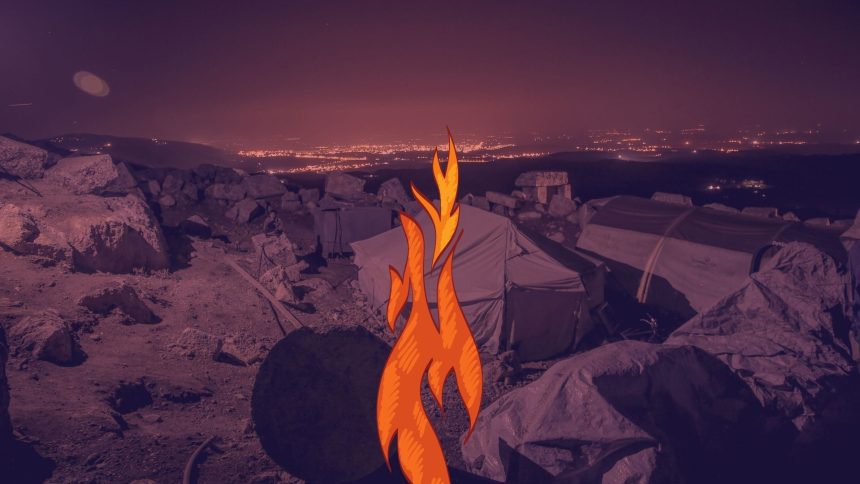
In the heart of Manila, where the vibrant chaos of city life intertwines with the harsh realities of urban poverty, a devastating inferno has left a gaping wound in one of the largest slum areas. In the early hours of a seemingly ordinary day, flames engulfed thousands of makeshift homes, reducing them to ash and smoke within minutes.
With residents left to grapple with their loss, the impact of this disaster ripples through the community, raising urgent questions about housing security, urban planning, and the resilience of those who call this place home. As we delve into the unfolding story of this tragedy, we explore not only the immediate aftermath but also the broader implications for Manila’s bustling metropolis and its most vulnerable inhabitants.
Impact of the Blaze on Vulnerable Communities in Manila
In what has been described as a nightmare turned reality, a relentless inferno swept through the heart of Tondo, Manila’s biggest slum area. Over the course of a devastating few hours, the fire indiscriminately ravaged through the sprawling community, swallowing up everything in its path, leaving behind a scene of incalculable destruction. Amidst the chaos and wreckage, thousands of homes, predominantly makeshift shanties, were reduced to ash, and as dawn broke, the full scale of the disaster started to emerge.
The impact of this catastrophe has been especially calamitous for the vulnerable sections of the community, those living in extreme poverty, single-parent families, as well as elderly and disabled individuals, who were already grappling with the challenges posed by their hand-to-mouth existence. Their plight accentuated as they watched their homes and the meager possessions they had strived for, crumble in front of their eyes.
- Number of homes destroyed: Approximately 10,000 shanties
- Population affected: Around 30,000 individuals
- Area devastated: One square kilometer in Tondo, Manila’s largest slum area
| Immediate Needs | Long Term Requirements |
|---|---|
| Food, Water, Clothing, Emergency Shelters | Permanent Housing, Livelihood Programs |
| Medical Aid, Counseling Services | Education Support, Health and Sanitation Programs |
The misery of these vulnerable individuals is further exacerbated by the looming threat of displacement as they grapple to rebuild their lives in the aftermath of the tragedy. The onus now falls on the government and relief organizations to not only provide immediate necessities such as food, water, medical aid, and temporary shelter but also devise long-term strategies for permanent housing, livelihood programs, and education, health, and sanitation services to ameliorate their conditions.
Emergency Response and Recovery Efforts Following the Inferno
On a fateful night, a devastating inferno razed thousands of homes to the ground in Manila’s largest slum area. Flames leaped high into the night sky, illuminating the streets below, where panic and chaos reigned. But in the face of such a horrific event, the resilience, determination, and solidarity of the community and emergency services shone brightly. With brave hearts and unwavering resolve, they came together to face the aftermath.
Emergency Response made an immediate sweep of the area to secure the safety of the residents and evacuate those affected. Fire trucks rushed to the scene, their sirens piercing the night. Medical personnel worked tirelessly providing aid, their expertise and dedication saving countless lives. Furthermore, the emergency services also included:
- Fire and Rescue Teams: Swiftly responded to the fire outburst, minimizing its spread
- Police Personnel: Maintained order amidst chaos and assisted in evacuation procedures
- Medical Professionals: Delivered immediate first aid and transported severely injured individuals to nearby medical facilities
| Community Assistance | Details |
|---|---|
| Local Volunteers | Local citizens formed a human chain to pass water buckets and to assist in evacuation efforts |
| Food and Clothing Donations | Neighboring communities generously donated necessities to those affected |
| Shelter Arrangements | Temporary accommodation in community centers and schools were provided for displaced individuals |
The Recovery Efforts, led by tireless aid workers and volunteers, have focused not only on rebuilding the physical structures but also on psychological healing of the community. Rehabilitation plans include:
- Temporary Shelter: Providing immediate emergency shelter for displaced families
- Infrastructure Rebuilding: Rapid construction of homes and community buildings with enhanced safety measures
- Psychosocial Support: Organizing trauma care workshops and mental health counseling sessions for those affected
The road to recovery is likely to be long, but the strength and spirit demonstrated by the community are sure indications that they will rebuild and recover from this calamity. It is only in the darkest nights that stars shine the brightest, and in this community, numerous stars have emerged.
Strategies for Sustainable Housing and Disaster Preparedness
Recent tragedy in Manila’s largest slum, where an inferno claimed thousands of homes, highlights an urgent need for measures to address housing sustainability and disaster preparedness in these vulnerable communities. Urban slums, mostly built on the fringes of societies by residents using available materials, are highly susceptible to a myriad of disasters due to their buildings’ weak structural integrity, poor sanitation, and neglect of adequate emergency evacuation pathways.
Addressing these issues is not an overnight task; it requires a multi-dimensional approach that includes the collaboration of governments, NGOs, and residents. Below is a list of potential strategies that could alleviate the impact of disasters like these:
- Establishing Building Codes and Regulations: These would set out minimum safety and construction norms that must be adhered to in housing construction, thus mitigating the risk of structural failures.
- Improving Infrastructure and Sanitation: Enhanced sanitation facilities, drainage systems, and access to roads could significantly reduce the spread of fire and other disasters.
- Creating spaces for Emergency Evacuation: It’s essential to have clear and easily accessible evacuation routes in these densely populated areas.
- Providing Education and Awareness: Teaching residents about the importance of sustainable housing and ways to protect themselves during disasters is crucial. It empowers them and fosters a mindset of safety.
| Strategy | Role in Disaster Preparedness |
|---|---|
| Building Codes and Regulations | Mitigate risk of structural failures |
| Improved Infrastructure and Sanitation | Reduces the spread of fire and other disasters |
| Emergency Evacuation Spaces | Ensure clear and easily accessible evacuation routes |
| Education and Awareness | Empowers residents, encourages safety mindset |
Implementing these strategies could go a long way towards improving living conditions in slums and shielding residents from the devastating impacts of disasters like the recent fire in Manila’s slums. Sustainable housing and disaster preparedness are not luxuries but necessities that should be accessible to all, regardless of socio-economic status.
Lessons Learned: Building Resilience in Urban Slum Areas
The devastating fire in Manila’s biggest slum served as a tragic reminder of the vulnerability of Manila urban slum communities. Yet amidst the calamity, a ray of hope broke through as the affected families demonstrated surprising resilience. An underlying common factor was the sense of kinship and community that helped prop up those most affected and made them bounce back from the catastrophe.
This brotherhood in Manila and shared sentiment was apparent in the way the affected families rallied around each other – sharing resources, helping rebuild the destroyed shanties, and most importantly, providing emotional support. The sense of ownership and responsibility they displayed towards their community was indeed humbling. Furthermore, proactive involvement of the local authorities and NGOs provided crucial support in terms of food, clothing, medical aid and temporary shelter.
Key lessons learned from this incident in Manila include:
- Dignity and shared ambition can drive community revitalization even in the direst of circumstances.
- Strengthening inclusivity and community support structures is of utmost importance.
- Developing urban resilience should be a priority for policy-makers.
- Local authorities and NGOs can play a pivotal role in immediate response and recovery.
- Disaster risk reduction and management should be considered as integral to urban planning.
With this in mind, we have curated an actionable guide to creating stronger and more resilient Manila urban slums:
| Areas of Focus | Action Points |
|---|---|
| Community Strengthening | Promote community-building activities, enhance local leadership roles. |
| Infrastructure Development | Ameliorate housing conditions, ensure access to essential services like water and electricity. |
| Disaster Management | Implement disaster-prone area identification, establish evacuation protocols, ensure availability of safe shelters. |
| Socio-economic Uplifting | Invest in skill-training, promote self-employment and cooperatives, improve women’s participation in economic activities. |
| Health and Sanitation | Ensure clean and safe sanitation facilities, promote health awareness, facilitate access to healthcare services. |
building resilience in urban slum areas calls for a holistic approach that embraces physical in Manila, socio-economic, and emotional aspects. With concerted efforts and commitment, we can convert our vulnerable urban slums into resilient and sustainable communities of the future.
Closing Remarks
As the smoke gradually clears from the charred remnants of Manila’s largest slum, the resilience of the affected community stands tall amid the devastation. Families who once called the shanties home are now faced with the daunting task of rebuilding their lives from ashes. The fire, a stark reminder of the vulnerabilities nestled within densely populated urban areas, has ignited a crucial conversation about housing, safety, and sustainable solutions in the face of adversity.
While aid and support will flow to the survivors in Manila, the true challenge lies ahead—rebuilding not just structures, but a sense of community and hope. In the aftermath of such tragedy, the spirit of those who endure shines brightly, serving as a testament to human strength and solidarity in the most challenging of times. As the city moves forward, all eyes will be on the response to this crisis, ensuring that no one is left to face the flames alone again.


