


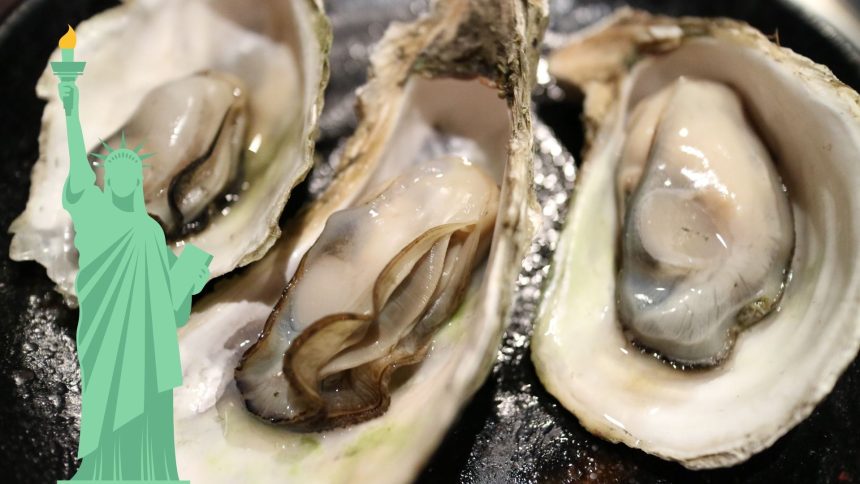
As the sun dips low over the glimmering waters of New York Harbor, a historical narrative lurks beneath the waves, waiting to be rediscovered. Once celebrated as the world’s oyster capital, New York City has a rich legacy tied to these bivalve mollusks, which once flourished in its brackish estuaries and bustling waterfronts. The lustrous shells and briny flavors that once defined the city’s culinary scene seem but a distant memory, overshadowed by a tidal wave of urban development and pollution.
Yet, murmurs of a renaissance are stirring in the tide. With increasing efforts in conservation, sustainable harvesting, and the burgeoning popularity of farm-to-table dining, could New York reclaim its title as the oyster capital of the world? This article delves into the possibilities and challenges facing this ambitious endeavor, exploring whether the city can once again cultivate its legendary connection to the sea.
Reviving the Pearl: Exploring New Yorks Historical Significance in Oyster Production
Once known as the world’s oyster capital, New York City’s historical ties to oyster production run deeper than the city’s sprawling subway system. Before the dawn of the 20th century, the Big Apple – specifically the waters surrounding Ellis, Liberty, Governors Islands, and the Hudson River – teemed with oysters. These briny bivalves, heralded as the Pearl of New York, used to be so plentiful that they were part of the average New Yorker’s diet, sold from street carts and enjoyed in luxurious dining halls alike.
The onset of industrialization, however, dramatically changed the tide for New York’s oyster industry. But fast forward to the 21st century, and we find a burgeoning movement set on reviving the city’s oyster glory. Numerous organizations and programs have sprung up in the city with that very aim.
- Billion Oyster Project: An initiative working to restore one billion live oysters to the city’s harbor.
- New York Harbor School: A maritime-based public high school that teaches students the art of oyster cultivation.
- Urban Assembly New York Harbor School: This school features a unique aquaculture program focusing on oyster restoration in the city.
Additionally, some of the city’s restaurants have also jumped on board, featuring locally-sourced oysters on their menus. The efforts of these organizations and businesses have led to a noticeable resurgence in the city’s oyster population.
| Organization | Oysters Restored |
|---|---|
| Billion Oyster Project | 30 million |
| New York Harbor School | 10 million |
| Urban Assembly New York Harbor School | 5 million |
These numbers reveal a promising outlook for the revival of New York’s oyster production. If this innovative trend continues, we could potentially see New York reclaim its crown as the world’s oyster capital, resurfacing its once-thriving oyster industry to the surface of city life once again.
Ecosystem Restoration: The Role of Sustainable Practices in Oyster Farming
For decades, the once prolific oyster reefs of New York Harbor have been barren due to pollution, overharvesting and disease. However, using sustainable oyster farming practices, initiatives are underway to restore these vital ecosystems. Not only do these practices promise abundant harvests for the oyster industry, they also filter pollutants from the water and provide natural habitats for a multitude of marine species. Reviving the oyster industry could transform the Big Apple back into the world’s oyster capital.
Traditional oyster farming often employed destructive techniques harmful to the marine ecosystem. Sustainable oyster farming, on the other hand, utilizes methods that promote both the vitality of the oysters and their environment. These methods include:
- Off-bottom Culturing: Oysters are grown in cages or baskets suspended in the water, reducing damage to the sea floor.
- Site Selection: Farms are situated in locations with optimal conditions for oyster growth, avoiding sensitive habitats.
- Regular Health Checks: Oysters are regularly inspected for signs of disease to ensure healthy stocks.
| Restoration Project | Location | Oysters Reintroduced |
|---|---|---|
| Billion Oyster Project | New York Harbor | 30 Million |
| Living Breakwaters | Staten Island | 1 Million |
| Oyster Restoration Research Project | Hudson River, Bronx River, Jamaica Bay | 7 Million |
Plenty of tasks lie ahead but, if done right, New York’s revitalization of its oyster reefs could serve as a global example of urban marine conservation. That too while providing New Yorkers with a sustainable source of these delicious mollusks. Yes, with science, sustainability, and a little patience, New York could very well become the world’s oyster capital once again.
Culinary Renaissance: Promoting New York Oysters in the Culinary Scene
In the late 19th century, New York Harbor was the undisputed epicenter of oyster production worldwide, where billions of oysters were harvested annually. However, the ravages of industrial pollution and overharvesting decimated New York’s oyster population. Now, though, New York oysters are making a comeback in a big way, spearheaded by a dedicated collection of oyster growers, culinary professionals, and environmentalists. Their delicious flavor profile and sustainability have caught the attention of leading chefs as they champion this local resource, encouraging a new appreciation amongst food lovers across the state.
The flavors of New York oysters are as different and complex as the waters they grow in, ranging from the briny Atlantic oysters of Long Island to the sweet, creamy oysters of the Hudson River. No matter the variety, each New York oyster carries its unique merroir – a term borrowed from wine vocabulary that describes the way an oyster’s flavor is influenced by its environment. Let’s explore some delectable types of New York oysters and their notable flavor characteristics:
| Oyster Type | Flavor Profile |
|---|---|
| Blue Point (Long Island Sound) | Briny with sweet aftertaste |
| East Pond (East Hampton) | Sweet, creamy, with a hint of seaweed |
| Peconic Gold (Peconic Bay) | Rich, buttery with a mineral finish |
| Montauk Pearl (Block Island Sound) | Lightly briny, crisp, and sweet |
| Widow’s Hole (Greenport) | Highly briny with a sweet finish |
From colorful raw bars to stunning entreés and unexpected desserts, the culinary versatility of New York oysters is a testament to the creativity of the local culinary scene. Here are some inventive ways restaurants are showcasing oysters:
- Grilled Oysters: Topped with garlic, butter, parsley and a squeeze of lemon, this approach accentuates an oyster’s natural flavors.
- Oysters Rockefeller: A classic recipe where oysters are broiled with a rich sauce of butter, parsley, and breadcrumbs.
- Raw Oysters: Served with a myriad of mignonettes and other accompaniments. There’s nothing like the taste of a fresh shucked oyster on ice!
- Oyster Stew: In this comforting bowl, plump oysters swim with potatoes, cream, and a medley of herbs.
- Tempura Oysters: For an Asian twist, oysters are lightly battered and deep-fried until golden and crispy.
Community Collaboration: Building Partnerships for a Thriving Oyster Economy
Once upon a time, the waters surrounding New York City were teeming with oysters, providing a booming economy and securing the city’s reputation as the oyster capital of the world. However, overharvesting, pollution, and disease caused this prosperous industry to dwindle. Could community collaboration and sustainable practices restore this city’s legacy? We definitely think so.
Imagine a vibrant oyster culture that restores the water quality, promotes tourism, and fosters local employment. This vibrant oyster economy can be achieved through strategic partnerships involving scientists, oyster farmers, restaurants, and communities. These partnerships could focus on a few critical areas:
- Restoration projects: These initiatives could involve planting oysters to clean up the water and create natural breakwaters, protecting shorelines from erosion.
- Sustainable farming: By shifting to sustainable oyster farming practices, we can meet restaurant demand without depleting wild oyster populations.
- Educational programs: Training locals to farm and harvest oysters can foster local employment and promote community involvement in the industry.
| Area of Impact | Potential Outcome |
|---|---|
| Environmental | Improved water quality, Protection from erosion, Restoration of marine habitats |
| Economic | Increased tourism, Local job creation, Sustainability of seafood industry |
| Social | Community involvement, Education and skills training, Revival of cultural heritage |
To sum it up, we believe that with the right partnerships and community effort, we can restore the glory of New York as the world’s oyster capital while also ensuring a thriving, sustainable economy.
To Conclude
In the vibrant discussion surrounding New York’s potential to reclaim its title as the world’s oyster capital, we find ourselves at the intersection of history, ecology, and culinary artistry. The waters of the East River and New York Harbor, once teeming with life, hold the promise of a revitalized oyster industry, anchored by innovative sustainability efforts and dedicated stewardship of aquatic resources. Whether through the voices of local fishermen advocating for environmentally-conscious practices, or restaurateurs championing farm-to-table philosophies, a collective vision for a thriving oyster culture is emerging.
As we turn the tide on this charming endeavor, engaging with the complex narrative of New York’s maritime heritage, one questions not just what it means to farm these bivalves, but also how we can nurture the ecosystems that support them. The question remains: Can we balance the hustle of urban existence with the delicate rhythms of nature?
As New Yorkers and global citizens alike observe this unfolding story, it serves as a reminder that the future of our oceans and our plates are inextricably linked. With determination and collaboration, perhaps the city that never sleeps can once again embrace a delicacy that speaks to the soul of its waterfronts—bringing forth a renaissance of the oyster, one delectable bite at a time. The journey ahead is as crucial as it is exciting, and for New York, the second act has only just begun.


