


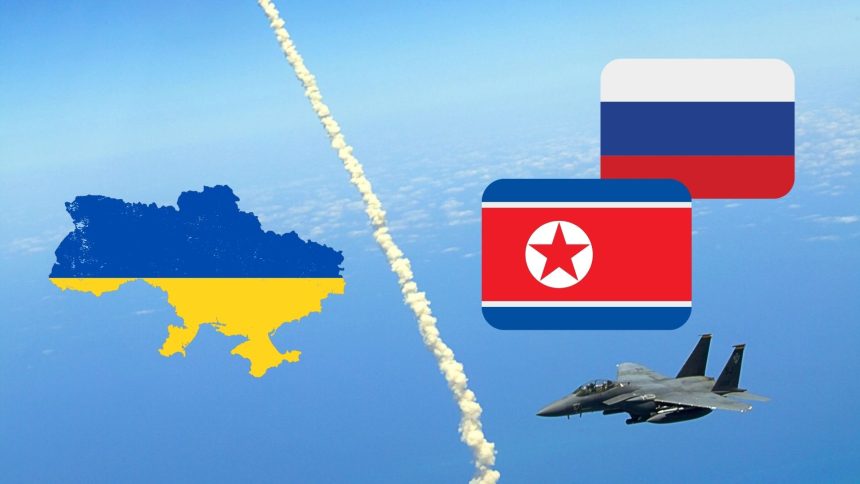
In a chilling twist of geopolitical tension, Ukraine finds itself at the forefront of a new wave of military aggression, marked by an alarming uptick in missile strikes reportedly utilizing technology traced back to North Korea. As the conflict in Eastern Europe rages on, these attacks not only underscore the evolving nature of warfare but also reveal a complex intertwining of international components and partnerships.
Western-made parts, often lauded for their sophistication and precision, have unintentionally paved the way for this dangerous convergence. As we unravel the implications of these developments, it becomes crucial to understand how global interdependencies can influence regional conflicts and shape the future of warfare. In this article, we delve into the dynamics at play, exploring how a blend of North Korean ingenuity and Western engineering is complicating the battlefield landscape in Ukraine.
Emerging Threats: The Rise of North Korean Missile Technology in Ukraine
In an alarming trend of unprecedented events, Ukraine is facing a rising number of attacks employing North Korean missile technology. Key to North Korea’s growing influence in this field is the spotting use of western components in their missile designs, enabling more successful strikes. A shrewd strategy, this move has left defense departments worldwide scrambling as they aim to understand the full scope of these attacks.
Investigations have revealed an unsettling truth: this North Korean missile upswing is not due to their lone advancement, but rather the assistance of highly advanced western technology. Evidence points to a number of strategic alliances and back-door dealings, bringing illicit trades and political uncertainties into the forefront. The precise details of these operations remain nebulous; yet, certain elements are becoming clear. The findings are presented in the following WordPress styled table:
| Type of Technology | Origin | Role in North Korean Missiles |
|---|---|---|
| Advanced navigation systems | Western countries | Providing more accurate targeting |
| High-end microprocessors | Western countries | Controlling complex propulsion mechanisms |
| High-tech heat shields | Western countries | Enabling longer flight and re-entry into the Earth’s atmosphere |
Such robust collaboration propels North Korean missile technology forward, granting Ukraine a challenging spot in the geopolitical landscape. It is one thing to fend off a solitary adversary; it’s entirely another to untangle the intricacies of a network of shadow alliances that can pivot the balance of power.
- Unregulated global trade: The looser the global restrictions on warfare technology trade, the easier it is for North Korea to acquire components.
- Arms’ brokers and intermediaries: They work clandestinely to bend or bypass sanctions, allowing North Korea to procure technology otherwise denied by international regulations.
- Technological advancement: The quick pace of tech development can sometimes outspeed regulations, meaning North Korea may access technologies before policies can be placed to restrict them.
It’s a cat-and-mouse chase, where the stakes are as high as they come. Addressing this issue is crucial – not just for Ukraine, but for the stability and security of the world order.
Western Contributions: Analyzing the Role of Components in Missile Systems
The unfolding crisis in Ukraine has taken a chilling new turn with the realization that the missile systems being used against the beleaguered nation rely, disconcertingly, on Western-made components. North Korean missiles, while rudimentary in nature, are finding a significant upgrade in their performance by incorporating advanced systems of Western origin. This is enabling both an escalation of attacks on Ukraine and concurrently raising alarming questions about the unintended consequences of the global arms trade.
Foremost among these components are guidance and navigation systems, engine technologies, and radar-evasion capabilities, all of which enhance the lethality and accuracy of the missile attacks. An analysis of recent attacks reveals the disturbing depth of the Western influence:
- Guidance systems: Advanced algorithms originally designed for Western satellites and drones, enhancing the missiles’ targeting accuracy.
- Engine technology: Western advancements in propulsion technology, allowing the missiles to reach farther and faster.
- Radar-evasion capabilities: Incorporation of Western stealth technology for improved evasiveness against defense systems.
Table: Examples of Western Components in North Korean Missile Systems
| Component | Contribution |
| Guidance Algorithms | Increases targeting accuracy |
| Propulsion Technology | Enhances range and speed |
| Stealth Technology | Improves evasiveness against radars |
This troubling development underscores the complexities of international arms manufacturing and trade. It is a stark reminder that the products of advanced Western technologies can, and do, end up in places unforeseen, in ways unintended, and with consequences unimagined.
Strategic Responses: Strengthening Ukraines Defense against Evolving Attacks
The recent increase in attacks on Ukraine involving North Korean missiles have exposed vulnerabilities in Ukraine’s defense mechanisms which require urgent, strategic solutions. With increasingly sophisticated technologies and enhanced attack methods, Ukrainian defense systems need to evolve to counter and nullify potential threats. Notably, these tactics are largely made possible due to Western components which are used in the manufacture of these missiles.
Known strategies institutionally endorsed for this include increasing technology defense investments, strengthening military & intelligence collaboration with allies and strengthening indigenous technology development. The urgency and importance of these strategic moves cannot be overstated as technological advances continue to shape the contours of military conveniences and threats all over the world.
| Strategy | Description |
|---|---|
| Increasing technology defense investments | Ukraine must allocate more funding towards the acquisition of advanced technologies that can anticipate, detect, and counter missile attacks at their nascent stage. |
| Strengthening military & intelligence collaboration with allies | International collaborations can be a source of technical support and intelligence that can help intercept missile-related technologies before they inflict damage. |
| Strengthening indigenous technology development | Encouraging home-bred advancements in defense technologies can create sustainable and tailor-made solutions to the threats posed to Ukraine. |
Reinforcing and implementing these strategies can protect Ukraine from future attacks by North Korean missile. It is pivotal to center indigenous technology advancements along with wise investments in defense technologies and collective action through international collaboration. If done right, these strategic measures will surely boost Ukraine’s defense abilities against the evolving threats and missile attacks.
International Cooperation: Building a Unified Front against Missile Proliferation
In a chilling turn of events, Ukraine has found itself on the receiving end of an onslaught of attacks that surprisingly involve North Korean missiles. These aren’t ordinary missiles, however. They are equipped with western components, a development that is setting off alarm bells across a globe already in flux. It’s a disturbing reality that underscores the urgent need for a unified international response to stem missile proliferation.
These seemingly incongruous partnerships have potential to fuel unprecedented levels of destruction. Key components of the missiles include:
- Navigation systems from seemingly neutral countries
- Advanced explosive materials sourced from the West
- Propulsion technology leveraging scientific advancements from various nations
Thrust into an uncomfortable spotlight, the implicated nations now have to contend with ethical questions surrounding technology exchange and arms control. The need to fortify cooperative international mechanisms against North Korean missile proliferation has never been more pressing.
| Component | Country of Origin |
|---|---|
| Navigation Systems | Unnamed Neutral Countries |
| Explosive Materials | Western Nations |
| Propulsion Technology | Various Global Locations |
The situation encapsulates a stark wake-up call: North Korean missile technology, once the bastion of a select few, is increasingly becoming globalized. It necessitates that the international community retreats from rampant brinkmanship and takes robust, concerted steps to curb missile proliferation worldwide.
Future Outlook
As the conflict in Ukraine unfolds with a troubling new chapter marked by an increase in attacks utilizing North Korean missiles, the global implications of this unsettling trend cannot be overlooked. The intertwining of Western technology with foreign military capabilities paints a complex picture of modern warfare, where supply chains and alliances are as important as the battlefield itself.
As we navigate this challenging landscape, the lessons learned from Ukraine’s resilience and adaptability may hold critical insights for both policymakers and citizens around the world. The ongoing conflict serves as a stark reminder of how interconnected our geopolitical spheres have become, and how the choices made in one corner of the world can ripple across borders, affecting lives far beyond the immediate scope of battle.
Ultimately, the situation in Ukraine not only raises pressing questions about the future of military engagement but also about the ethical responsibilities that come with technological advancement. As the international community watches closely, the hope remains that dialogue and diplomacy may yet prevail over the specter of conflict, illuminating a path towards peace amidst the din of war.


