


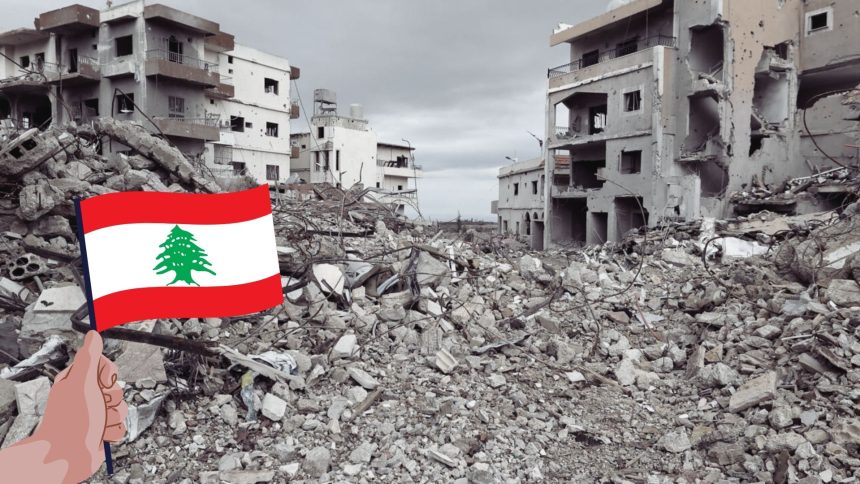
As the echoes of sirens fade and the distant rumble of conflict ebbs, northern Israelis find themselves navigating a rare, if tentative, tranquility following a recent ceasefire. This unusual calm, unprecedented in its duration amidst a backdrop of longstanding hostilities, offers a momentary respite for residents whose lives have been shaped by the specter of conflict. Yet, beneath this veil of peace lies an undercurrent of apprehension—concerns surrounding the enduring threats posed by Hezbollah continue to loom large in the collective consciousness. In this article, we explore the complexities of this fragile serenity, examining how northern communities are grappling with the dual narratives of relief and anxiety that shape their everyday lives.
Ceasefire Effects on Daily Life in Northern Israel
The cessation of conflicts has brought an unexpected tranquility to the lives of residents in Northern Israel, despite consistent fears that Hezbollah’s threats might surface anew. Day-to-day life is no longer imprisoned by constant artillery sounds, and the residents luxuriate in a newfound peace that’s hitherto unfamiliar. Anxiety troubles the waters of this norm, as citizens remain alert for a recurrence of tension. While prayers for enduring peace reverberate through homes and hearts, apprehensions persist about Hezbollah’s latent threats.
The numerous effects of the ceasefire agreement on everyday life are palpable:
- Residents, for the first time in what feels like an eternity, can reconnect with the rhythm of routine. Activities such as going to work, attending school, or enjoying a peaceful jog have become a reality again.
- The cease-fire has also paved the way for economic resurgence. With the constant threat of conflict erased, businesses are slowly coming back to life, bolstering the local economy.
- Many people, who felt compelled to leave their homes due to security concerns before, are gradually returning, thereby spurring community rebuilding.
| Life Aspect | Before Ceasefire | After Ceasefire |
|---|---|---|
| Social Life | Highly disturbed due to constant fear and unrest | Gradual return to normalcy; restoration of community events |
| Economic Condition | Deteriorated due to constant conflict | Noticeable uplift after return of businesses |
| Population | Decrease as residents fled for safety | Gradual increase as residents return home |
Regardless of the positive changes and improvements, a profound sense of fear still links northern Israelis with their past, overshadowing the present cease-fire situation. As a result, while a ceasefire has ushered in an era of relative calm, the specter of Hezbollah continues to cast a question mark over the long-term prospect of peace.
Vigilant Calm: Balancing Peace and Security Concerns
In the wake of the recent ceasefire, an eerie calm has come to settle over Northern Israel. However, beneath this unnerving tranquility, there flickers a persistent anxiety fueling concerns regarding threats from Hezbollah, the powerful and ever-present militant organization. The residents, while savoring the serenity, remain well aware of the volatile reality they inhabit.
Security concerns are still paramount, acting as the constant undercurrent to their daily lives. Details surrounding these concerns include:
- Hezbollah’s track record of violations of ceasefires and provocations.
- Uncertainty surrounding the organization’s arsenal of missiles and their potential range.
- Hezbollah’s alleged use of civilian installations as launching pads for attacks.
- The group’s broad network of tunnels, facilitating clandestine cross-border activities.
Balancing the desire for peace with protection concerns has evolved into an absolute necessity for northern Israelis. The following table encompasses the contrasting sentiments in the region.
| Feelings of Peace | Security Concerns |
|---|---|
| Temporarily halting of hostilities. | Persistent risk of a sudden outbreak of violence. |
| Reduced noise pollution and psychological stress from constant skirmishes. | Persistent presence of Hezbollah militants in proximity. |
| Return of essential services and repair of infrastructure. | Potential for sudden interruptions and infrastructure damage due to attacks. |
Inhabitants of Northern Israel find themselves caught in a paradoxical existence, one where a fragile ceasefire brings a respite but fuels their fears simultaneously. They realize that the vigilant calm is precious but volatile, asserting the importance of maintaining the right balance between peace and security.
Understanding Hezbollahs Strategic Posture and Threats
The calm that has settled in the Northern Israeli regions in the wake of recent ceasefire agreements is an unusual respite from the constant threat of conflict with the Hezbollah. However, beneath this surface tranquility, the specter of the group’s strategic capabilities and the long-term threat it poses continues to haunt the minds of the Israeli citizens.
Hezbollah’s Evolution
The evolution of Hezbollah from a guerilla warfare group into a formidable military organization capable of challenging one of the world’s most sophisticated armies is a matter of great concern. Its acquisitions range from advanced missile systems to sophisticated cyber warfare capabilities.
- Military Might: Hezbollah possesses an arsenal of rockets and missiles, which according to some estimates exceeds 150,000. This is more than what most NATO countries have.
- Operational Capability: It has professionals who are capable of conducting complex operations, including cross-border incursions and drone strikes.
- Cyber Expertise: Hezbollah’s cyber-espionage operations have reportedly grown in sophistication, showing its expansive capabilities.
With its widespread geopolitical support and an extensive arsenal, the Hezbollah’s strategic posture is more forceful than ever, contributing to the anxiety of the northern Israelis despite the silent nights.
| Capability | Description |
|---|---|
| Military | Over 150,000 arsenals of rockets and missiles |
| Operational | Complex operations including cross-border incursions and drone strikes |
| Cyber | Increasingly sophisticated cyber-espionage operations |
Perceived Threats
Despite the current peace, the potential threats which could reignite warfare are still evident. The knowledge of Hezbollah’s amassed arsenal and its potential for destruction creates a lingering fear amongst the population.
- Infiltration: The fear that Hezbollah could infiltrate Israeli borders is a potential threat.
- Missile Attacks: Given its stockpile, the group has substantial capacity for missile attacks.
- Cyber Warfare: Hezbollah’s developed cyber capabilities offer new possibilities for non-conventional attacks.
These apprehensions characterize the serious threats that Hezbollah has posed for Northern Israel. This paradoxical situation where there is peace yet a persistent fear of war underpins the complex reality for the inhabitants of this region.
Community Resilience: Recommendations for Sustaining Stability
In spite of a seemingly uncharacteristic quietness in Northern Israel following the recent ceasefire, tension remains palpable among residents, due to persistent threats from Hezbollah. However, this period provides an invaluable opportunity to fortify the communal resilience needed to maintain stability in these regions. A sense of routine, psychological support, and community cooperation form the crux of these recommendations.
First and foremost, routine implies not only physical activities promoting continuity, but a psychological routine of acceptance and resilience as well. Coping strategies can include mindfulness, adequate sleep, balanced diet, and a focus on joyous moments. The initiative can come from local governments or non-governmental organizations:
- Mindfulness: Encouraging the practice of meditative exercises boosts mental stability.
- Sleep: Ensuring uninterrupted sleep cycles for residents, potentially through soundproofing homes or building shelters.
- Diet: Maintenance of a balanced diet to boost the immune system and physical health.
- Joy: Organizing community events that focus on shared joy and unity among residents.
Psychology plays a significant role in resilience. Locals living under such circumstances tend to suffer from immense psychological stress. Thus, it is essential to establish comprehensive mental health support systems and services. Notwithstanding the importance of professional psychological help, peer support groups and community togetherness can significantly aid this process.
| Recommended Practices | Purpose |
|---|---|
| Professional Psychological Help | Providing immediate access to mental health facilities or therapists. |
| Peer Support Groups | Formation of groups where individuals can share experiences and coping strategies. |
| Community Togetherness | Organizing events to foster a sense of camaraderie and mutual assistance within citizens. |
Lastly, community cooperation involves residents taking collective actions for common benefits. This includes forming neighborhood watches or community defense units, having meeting points for information dissemination, and conducting regular community meetings to address concerns.
In Conclusion
As the dust settles in the aftermath of the recent ceasefire, northern Israelis find themselves navigating a new landscape marked by an unusual calm. This respite from conflict offers a fleeting sense of relief, yet it is entwined with the lingering shadows of uncertainty. The threat of Hezbollah looms large, a reminder that peace is often precarious. In this delicate moment, residents are left to strike a balance between hope for sustained tranquility and the need for vigilance in the face of potential upheaval.
Their story is not just one of survival but also of resilience, and as they rebuild their lives, the ever-present complexities of regional tensions serve as a backdrop. What lies ahead remains unknown, but for now, the stillness invites a contemplative pause, allowing a community on edge to breathe – even if just for a moment.


