


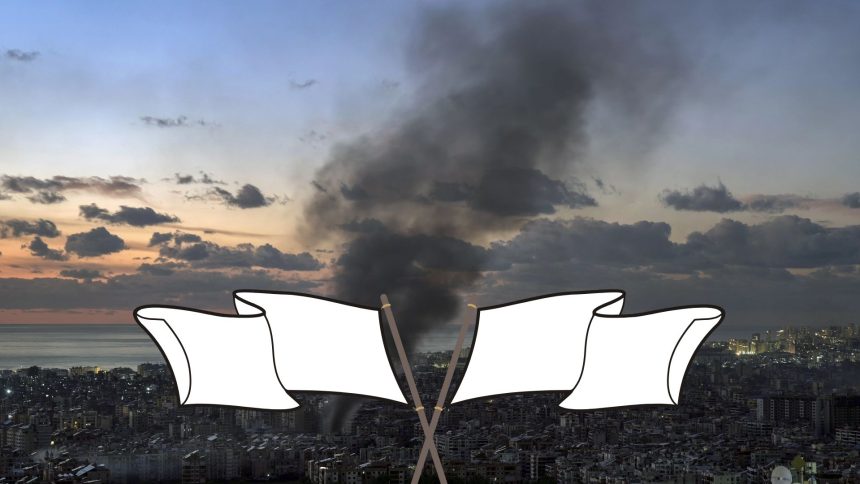
As tensions continue to simmer in the Middle East, a crucial decision awaits the Israeli cabinet this Tuesday, with the potential to reshape regional dynamics. Amidst the backdrop of ongoing hostilities, the prospect of a ceasefire deal with Lebanon emerges as a flicker of hope for peace. This pivotal vote could signify not only a moment of reprieve for affected communities but also a significant step towards stability in a historically volatile region.
As government officials deliberate the implications of the agreement, stakeholders on both sides hold their breath, each hoping that a collective commitment to dialogue may illuminate a path forward amidst the shadows of conflict.
Potential Impact of a Ceasefire on Regional Stability
The potential repercussions of a ceasefire on regional stability are numerous and noteworthy. If approved, the tentative peace between Israel and Lebanon could significantly alter the geopolitical landscape of the Middle East, potentially diffusing ongoing tensions and fostering an environment conducive to more robust diplomatic discussions.
Perhaps the most immediately evident effect will be the halt in military activities between the two nations, intending to bring relief for civilian populations on both sides. Historically densified conflict zones may finally see an era of peace, improving the standards of living and increasing stability in the region’s socio-political fabric. However, to comprehensively understand the potential ramifications of a ceasefire, we need to touch upon a few major facets:
- Power dynamics: Any parties’ perceived gain or loss of control could have ripple effects through the region.
- Diplomatic relationships: This could significantly reshape Israel and Lebanon’s relationships with other Middle East nations.
- Terrorism: An unintended consequence of a ceasefire could be the resurgence of extremist groups, exploiting the power vacuum in instability-prone regions.
| Consideration | Potential Positive Impact | Potential Negative Impact |
|---|---|---|
| Power Dynamics | Balance of power could lead to regional stability. | Perceived loss of control could exacerbate tensions. |
| Diplomatic Relationships | Improved ties with Middle Eastern nations. | Conducive atmosphere for diplomacy could be misused for regional hegemony. |
| Terrorism | Strong governance and peacekeeping efforts could hamper extremist elements. | A power vacuum can invigorate activity of extremist groups. |
While speculating the outcomes of this potential ceasefire, it is vital to remember that these predictions might vary significantly based on how the situation unfolds. Only time will share the credibility of anticipated outcomes, and the diplomatic tact with which both nations navigate this snarl will greatly define the regional stability in the foreseeable future.
Key Elements of the Proposed Lebanon Ceasefire Agreement
The Lebanese ceasefire agreement proposal that’s expected to get approval from the Israeli cabinet in the Tuesday vote encompasses several key points. These factors are designed to bring about lasting peace in the region and address the concerns of all parties involved. On one hand, it effectively halts the ongoing conflict and on the other, it ensures a conducive environment for dialogue and negotiation in the future.
Key Elements of the Proposal:
- Immediate Cessation of Hostilities: The agreement calls for an immediate end to hostilities from all involved parties to pave the way for peace talks.
- Deployment of UN Peacekeeping Forces: A significant aspect of this agreement involves the introduction of UN peacekeeping forces in critical areas to ensure that the ceasefire holds.
- Establishment of a Buffer Zone: There’s also a provision to establish a buffer zone, free of any armed presence except for the UN peacekeeping forces, to avoid accidental skirmishes.
- Resolution of Pending Border Disputes: The proposal addresses major contentious areas such as the Shebaa farms, which will be handed over to the Lebonese government under UN supervision.
| Key Element | Details |
|---|---|
| Immediate Cessation of Hostilities | Calls for all parties to cease fire immediately. |
| Deployment of UN Peacekeeping Forces | Introduction of international peacekeepers to ensure ceasefire holds. |
| Establishment of a Buffer Zone | Creation of a neutral zone devoid of armed presence. |
| Resolution of Pending Border Disputes | Addresses major contentious areas such as the Sheba farm. To be handled over to Lebanon under UN supervision. |
For the past few years, the aggression between Israel and Hezbollah forces in Lebanon has resulted in many lives lost and property destroyed. The success of this ceasefire agreement could mean the start of a new era of peace and stability in the Middle East.
Strategies for Diplomatic Engagement Post-Agreement
As the Israeli cabinet is in the verge of approving the Lebanon ceasefire deal, diplomatic engagement post-agreement will be crucial to ensure a sustained peace. Effective communication, bridge-building and fostering a mutual sense of trust should be the core tenets employed by both parties to ensure a successful peace process. Here are few strategies that could fortify the diplomatic engagement:
- Establish regular communication channels: A steady stream of dialogue would aid in mitigating challenges that could arise post-agreement.
- Promote integration: Encouraging bilateral exchanges whether in academics, cultural events or business forums, would help normalize relations.
- Utilize third-party intermediaries: A neutral party can ensure the agreement’s progression is ethical and fair.
- Transparency: Each side should make it a point to share information openly to reduce the chances of mistrust.
| Strategy | Benefit |
| Regular Communication | Challenges Resolution |
| Promote Integration | Building Relations |
| Third-party Intermediaries | Fair Agreement Process |
| Transparency | Reducing mistrust |
The long-term success of the ceasefire agreement would largely depend on the degree of the diplomatic engagement between Israel and Lebanon. Thus, the actions taken post-agreement are even more crucial. Along with the above strategies, it would also be essential for both parties to work on reducing armaments, addressing historical grievances and ensuring mutual benefits in the pursuit of a peaceful co-existence. These combined diplomatic efforts, along with patience and dedication, can ensure an effective and sustained peace process.
Long-Term Considerations for Peace in the Middle East
In a critical move for the advocacy of peace in the region, Israel’s cabinet is projected to give a green light to a ceasefire agreement with Lebanon in a Tuesday vote. This forthcoming resolution emanates after a continuous and intense diplomatic negotiation. Highlighting Israel’s willingness to engage in peace talks, the proposed ceasefire serves as a beacon of hope in the long-standing volatile situation in the Middle East.
| Year | Significant Event |
|---|---|
| 1978 | First UN Peacekeeping Force in Lebanon |
| 1996 | Israel-Lebanon Ceasefire Agreement |
| 2006 | Second Lebanon War & UN Resolution 1701 |
| 2022 | Potential Approval of New Ceasefire Agreement |
On a complementary note, this potential ceasefire deal extends further prospects for inter-regional cooperation. This encompasses aspects culminating to:
- Trade Relations: An accord could serve as an impetus to foster economic connections that have been largely stunted due to historical conflicts.
- Border Security: The possibility of a shared commitment towards securing borders could reduce the number of cross-border hostilities.
- Regional Stability: A ceasefire agreement could cast a profoundly beneficial impact on stability in the region, therefore boosting global peace efforts.
Though challenges persist, this anticipated vote is a firm step towards a more stable Middle East. The resolution does not encapsulate an entire solution, but it invigorates the long-held aspirations for continuous peace in the region.
Insights and Conclusions
As the Israeli cabinet prepares for a pivotal vote on the proposed Lebanon ceasefire deal this Tuesday, the eyes of both nations—and indeed the broader international community—remain fixed on the outcomes of this critical juncture. The potential approval could mark a significant step towards stabilizing a region long plagued by conflict. While uncertainties linger regarding the implications of such a decision, one thing remains clear: dialogue and diplomacy are essential for fostering lasting peace.
Regardless of the outcome, this moment serves as a reminder of the complexity of human relationships, where the paths to understanding and cooperation are often entwined with myriad challenges. As we await the cabinet’s decision, let us hold onto hope for a future defined by reconciliation rather than division. The story is far from over, and the forthcoming days may very well shape the narrative of peace in the region for generations to come.


