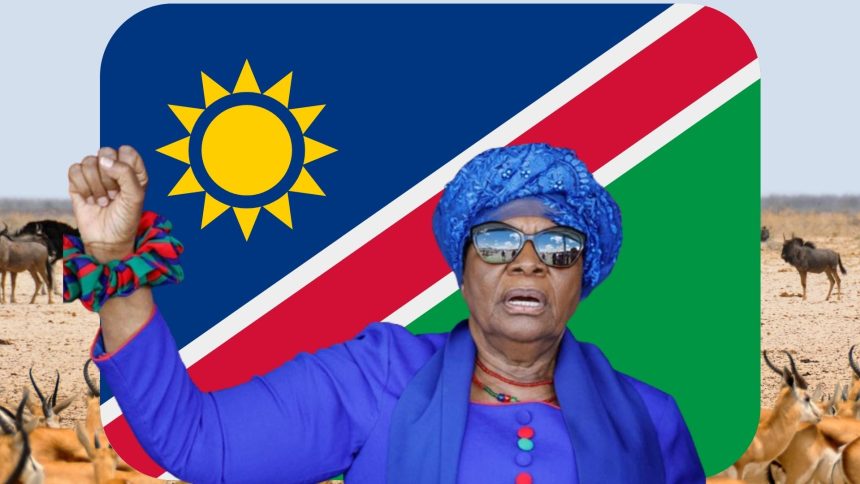
In a historic turning point for the nation, Namibia has made headlines around the world as it celebrates the election of its first female president. This landmark achievement not only represents a significant milestone in the country’s political landscape but also echoes the broader global movement towards gender equality and female empowerment in leadership roles.
As Namibia embarks on a new chapter under its trailblazing leader, the implications of this election extend far beyond the nation’s borders, inspiring women and girls across the continent and beyond to envision themselves in positions of power. In this article, we delve into the context surrounding this momentous event, the challenges ahead for the newly elected president, and what her leadership could mean for Namibia’s future.
Exploring the Historical Significance of Namibias First Female President
In a historic move, Namibia stirred global attention by electing its first female president. Breaking through the glass ceiling, she represents not only a change in the nation’s political arena, but also a new hope for gender equality and women’s empowerment. Her victory also signifies the evolving political landscape in Africa, with Namibia joining the ranks of other African nations such as Liberia and Ethiopia that have had women leaders.
She is well-known for her dominance in the countries economic affairs. An accomplished economist and politician, her strategic roles in government have immensely contributed to Namibias socio-economic development. With her leadership, Namibia is expected to continue its trajectory towards greater economic growth and stability.
- Education: A driving force in her leadership, the president holds a stellar educational background that offers a foundation for her expertise in economics and politics.
- Political Campaign: Her impressive political campaign was marked by a promise of transformation, particularly in the areas of youth empowerment and poverty eradication.
- Policies: She has always been a strong advocate for pro-poor policies and has played a pivotal role in spearheading social protection programs in the country.
| Name | Profession | Political Party |
|---|---|---|
| Namibia’s First Female President | Economist and Politician | Namibian Democratic Movement |
Her appointment is a milestone in Namibia’s history, reflecting the nation’s firm commitment to fostering inclusive governance. It goes without saying that her leadership serves as an inspiration for many young women in Namibia and across Africa, encouraging them to dream big and defy traditional gender stereotypes. This achievement is not only celebrated in Namibia but serves as a beacon of light to many other nations. Let this inspire many more firsts, equal rights, and respect for women within the sphere of leadership.
Key Policies and Initiatives: Shaping a New Era for Namibia
In a significant stride towards gender equality and progressive governance, Namibia has taken the historic step of electing its first female President. Mrs. Selma Iipumbu, the newly elected President, is carrying forward an agenda of bold initiatives and key policies aimed at nurturing a new era in Namibia. With her impeccable record in public service and notable commitment to social development, Mrs. Iipumbu’s leadership has stirred a wave of optimism across the nation.
Mrs. Iipumbu’s administration has earmarked several flagship projects and transformed the national policy landscape. Here are some of the key policies and initiatives:
- Economic Rejuvenation: Policies aimed at bolstering economic growth and sustainability, including a comprehensive set of tax reforms and increased emphasis on technology and innovation.
- Education and Youth Empowerment: Initiation of far-reaching reforms in the education sector, with a focus on vocational training, entrepreneurship and skills development for the youth.
- Sustainable Environmental Management: Adoption of sweeping measures for the conservation of natural resources, and innovative steps toward shifting to renewable energy sources.
An overview of the administration’s key policies and initiatives:
| Area | Key Policies | Expected Impact |
|---|---|---|
| Economic | Tax reform, Technology & Innovation | Sustained economic growth |
| Education & Youth | Educational reform, Skills Development | Better prospects for the youth |
| Environment | Resource Management, Renewable Energy | Sustainable Environment |
With these ambitious plans, Mrs. Iipumbu’s administration is promising an unprecedented era of growth and prosperity for Namibia. The nation stands on the threshold of a new era that looks set to redefine its future, and the world is watching with anticipation.
Empowering Women in Leadership: Lessons from Namibias Election
In November 2020, Namibia made strides in the quest towards ensuring gender equality. Achieving a historic milestone that should be a source of inspiration to other African nations and the world at large, the country elected its first-ever female President, Fransina Kahungu. Rising from humble beginnings to assume the highest office in the land, Fransina has set the precedent for the potential advancement of women in leadership roles.
President Fransina’s ascent to power has many lessons for aspiring female leaders across the globe. Firstly, it proves that gender does not determine leadership capabilities and it emboldens more women to ascend to positions of power. Secondly, it forces re-evaluation of policies that have hindered women from reaching high-ranking positions, and initiates conversations about legislative changes needed to level the playing field. Lastly, it underscores the importance of education and mentorship in equipping women with the tools and confidence necessary to pursue leadership roles.
| Leadership Lesson | Key Takeaway |
|---|---|
| Gender and Leadership | Women have just as much potential as men to lead |
| Policy Re-evaluation | Necessary changes should be made to encourage female leadership |
| Education and Mentorship | Empowering women with the tools to lead creates societal change |
The Namibian election is not just a story of one woman’s victory, but a testament to the undeniable vitality and potential of women in leadership roles. It opens the door to discussion about greater gender equality and underscores the significance of empowering women across the globe. Recognizing this milestone will surely propel the conversation of women in leadership to new heights.
The Path Forward: Recommendations for Sustainable Governance and Inclusion
The landslide victory of Namibia’s first female president has opened up an avenue of immense possibilities. This landmark development fuels hope for *inclusion governance* and *sustainable progress*. With her arrival, the pressing question is – how can the new administration pave the way to sustainable governance? Let’s look into some feasible options.
- Transparency: Transparent governance is synonymous with sustainable governance. The administration should commit to open data that allows citizens to track government progress and hold them accountable.
- Education: Investing in education is a means to ensuring economic and social sustainability. It should be high on the priority list to drive inclusion and diminish gender and ethnic disparities.
- Environmental sustainability: Namibia’s valuable natural resources can be better protected under a comprehensive plan that balances ecological consideration with industrial growth.
The election of the first female President symbolizes Namibia’s concrete steps towards *gender inclusivity*. It’s a considerable achievement, but the road doesn’t end here. To foster an inclusive environment, a robust agenda needs to be put in place.
| Recommendations for Inclusion |
|---|
| Conducting systematic gender analyses to identify inequalities and formulate policies accordingly. |
| Promoting women’s active participation in decision-making roles at different levels of governance, and ensuring their voices are duly heard. |
| Incorporating gender concerns in budgeting to ensure that resources are allocated equitably. |
In a nutshell, Namibia’s struggle for gender equality and sustainable governance can be largely alleviated under the right policies. Her victory sets the stage for the inclusion of more underrepresented groups in society.
In Summary
As Namibia steps boldly into a new chapter of its history with the election of its first female president, the nation stands at the crossroads of tradition and progress. This significant milestone not only reflects the evolving landscape of leadership in Africa but also serves as a powerful testament to the resilience and determination of women within the political sphere. President’s new administration promises to usher in a wave of transformative policies aimed at addressing longstanding issues, while also fostering an inclusive environment where diverse voices can thrive.
As citizens celebrate this historic achievement, the global community watches with anticipation, eager to witness how this groundbreaking leadership will shape Namibia’s future and inspire a generation of leaders to come. The journey may be just beginning, but the echoes of this moment will resonate far beyond its borders, reminding us all that history is made when barriers are broken and dreams are realized.