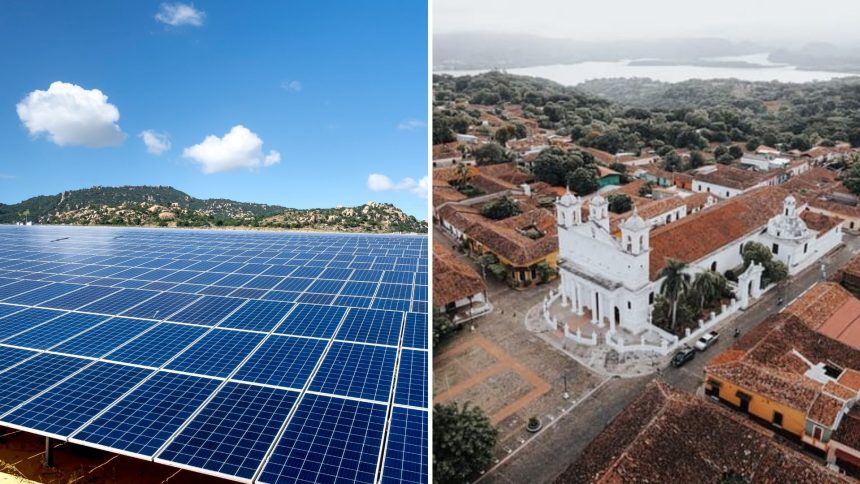
In the heart of rural El Salvador, where the lush green hills meet the azure skies, a conflict has emerged that reflects the complexities of modern development. The promise of renewable energy is bringing forth a solar project intended to illuminate communities with sustainable power and drive economic growth in a region that has long grappled with poverty and political instability. Yet, beneath the glimmer of solar panels lies a tempest of controversy, as local residents weigh the potential benefits against the social and environmental repercussions.
As voices rise in both support and opposition, this article delves into the multifaceted dynamics of this unfolding narrative, exploring how a clean energy initiative can simultaneously catalyze hope and discord in a landscape marked by resilience and challenge.
Impact Assessment of Solar Initiatives on Rural Communities
The introduction of solar energy projects in rural territories, like El Salvador, can often generate dissonance and disagreement among locals about their environmental and social implications. The substructure of these renewable projects brings forth both opportunities and challenges, which although are intended to boost the local economy and improve living standards, can inadvertently become cataclysms for the local inhabitants and the environment if not managed conscientiously.
Social Impact
On one hand, solar initiatives are known to provide numerous social benefits such as access to electricity, job creation, and increased income for families. However, the installation of large-scale solar projects can often disrupt traditional livelihoods linked with agriculture, fisheries, and other local trades. Listed below are some key areas of social conflict:
- Loss of agricultural lands: The vast lands required for solar farms often mean that agricultural or grazing lands are lost in the process.
- Job displacement: While the solar industry creates jobs, these often require special training and qualifications that locals may not possess.
- Displaced and marginalized communities: Local communities are often forced to move to make way for these projects, resulting in marginalization and impoverishment.
Environmental Impact
Parallelly, the environmental drawbacks stemming from the production, installation, and disposal of solar panels are noteworthy. Despite solar energy being a clean energy source, implementing such projects in rural setups can significantly alter their ecological harmony. Important environmental impacts include:
- Land degradation and habitat destruction: The establishment of solar farms requires extensive space, causing land degradation and habitat loss.
- Impact on wildlife: The huge land transformation often has serious impacts on local wildlife and biodiversity.
- Waste management: Recycling and disposal of solar panels are another considerable environmental challenge that can result in hazardous waste.
Ultimately, the driving goal behind such projects should be to balance the benefits of renewable energy production with the potential negative effects on local communities and the environment. A holistic impact assessment is indispensable in doing so, allowing for the sustainable and harmonious implementation of such initiatives.
Balancing Renewable Energy Development and Local Livelihoods
Even as renewable energy is witnessing an increasing launch of projects across the globe, its implementation in rural El Salvador presents a compelling story. El Salvador, a small country in Central America, is a hotspot for ongoing solar power projects. These projects, though launched with good intentions, have inadvertently caused social unrest and environmental conflict. These unfavourable circumstances arise primarily from land acquisition, disruption of local livelihoods, and detrimental impacts on the ecosystem.
Such projects significantly alter the local landscape and lead to changes in the traditional ways of life of the local populace. The land, often used by the locals for farming or as grazing grounds, suddenly becomes unavailable. Areas that once bustled with daily rural activities are quickly replaced with sprawling solar panels. As a result, rural families find their source of income compromised or completely obliterated. Furthermore, the installation and functioning of these solar power projects can pose significant threats to the local ecosystem. The destruction of native vegetation, disturbance of wildlife, and alteration of hydrological systems constitute some of the environmental hazards associated with these projects.
- Livelihood of local populace severely affected
- Disturbance of local ecosystem and wildlife
- Alteration of local landscapes and hydrological systems
| Impact | Details |
|---|---|
| Social | Disruption of traditional livelihoods, forced rehabilitation |
| Environmental | Loss of native vegetation, changes in local hydrological systems, displacement of wildlife |
| Economic | Loss of income for locals, change in land usage |
As the world transitions to cleaner energy sources, it must ensure that the development occurs keeping the welfare of all stakeholders in mind. The need of the hour is to strike a balance between renewable energy development and sustaining local livelihoods. This balance can be achieved through the collaborative efforts of the government, project planners and the local community. The task, although quite challenging, is not impossible and is crucial for sustainable development.
Strategies for Conflict Resolution in Solar Energy Projects
In the idyllic setting of rural El Salvador, an issue of unparalleled complexity has arisen, resulting from the location choice if a proposed state-of-the-art solar project. But, this groundbreaking venture is not without its share of conflict. The introduction of the solar power plant in this otherwise tranquil region has stirred issues of social and environmental tension. Strategic conflict resolution is, therefore, mandatory to ensure the successful implementation and operation of the project, while maintaining harmony with the local community and environment.
Notably, the primary challenges faced are issues related to the displacement of residents, the direct effect on local flora and fauna, and disagreement over the distribution of generated energy. Here are some key strategies to resolve these issues:
- Transparent dialogue: Engage in open discussions with the local residents. Understanding their concerns and involving them in decision-making processes could temper their resistance and even earn their support.
- Compensation and Relocation: Provide appropriate compensation for those displaced by the project. Coupled with a relocation plan to an equally suitable area, this can significantly reduce tensions.
- Environmental Impact Assessment: An in-depth impact study on local ecosystems can guide mitigation measures for both terrestrial and aquatic species affected.
- Equitable Energy Distribution: Developing a clear blueprint for energy distribution that takes local needs into account can ensure that the benefits of the project are shared equitably, thus discouraging potential resistance.
| Conflict | Suggested Strategy |
|---|---|
| Residential Displacement | Transparent Dialogue, Compensation, and Relocation |
| Environmental Impact | Comprehensive Environmental Impact Assessment |
| Energy Distribution | Planning for Equitable Distribution |
Educational programs advocating the benefits of renewable energy can also be beneficial. Particularly, enlightening locals about the potential long-term economic, social, and environmental benefits can encourage their support towards this project. Subsequently, drafting a conflict resolution strategy that combines both conflict management and education can act as a road map to ensure the success of this pioneering solar energy project.
Pathways to Sustainable Collaboration Between Stakeholders
In recent times, the advancements in renewable energy sources have seen unprecedented growth worldwide. Following this trend, a commendable solar project took off in rural El Salvador. However, it soon evolved into a hub of social and environmental conflict. Despite intentions to elevate the community’s economic stance while promoting green energy, the project’s execution led to unsolicited discord among the stakeholders.
The primary issues stemmed from:
- Disregard for Local Democracy
- Inadequate inclusivity in planning
- Negative environmental impact
- Displacement of indigenous and vulnerable communities
Proposed Pathways Towards Sustainable Collaboration
To rectify the situation and ensure sustainable collaboration between the stakeholders, this solar project needs immediate amendment of its framework. Most crucially, the project holders must involve local communities from inception to execution, ensuring transparency, inclusivity, and respect for their values and habitats.
A potential plan includes:
- Authentic Engagements: Conduct meaningful dialogues and feedback sessions that enable the exchange of ideas and concerns. It ensures the community feels seen, heard, and respected.
- Training and Skill Development: Offer vocational training and skill development programs to empower the local community and stimulate self-reliance.
- Regulated Environmental Standards: Implementing stringent regulatory standards that prioritize environmental conservation while facilitating project progression.
- Rehabilitation and Compensation: Ensure fair compensation and rehabilitation measures that show empathy and respect towards displaced individuals.
| Stakeholders | Role | Proposed Actions |
|---|---|---|
| Solar Project Holders | Project Execution and Policy | Ensure inclusivity and respect for local democracy |
| Local Community | Ideation and Participation | Active involvement and feedback |
| Environment Specialists | Environmental Conservation | Develop strict environmental regulations |
Adherence to these proposed measures can pave the way to mutual benefits for all stakeholders, fostering a path towards sustainable collaboration.
To Wrap It Up
As the sun sets over the verdant hills of rural El Salvador, the silhouettes of solar panels stand as both a promise of progress and a source of contention. The push for renewable energy, while essential in combating climate change, has unearthed complex social and environmental dynamics that challenge the narrative of sustainability.
The unfolding events in these communities serve as a stark reminder that the path to a greener future is not solely paved with technological innovation. It demands a nuanced understanding of the socio-economic fabric that holds these rural areas together, where every decision carries the weight of history, culture, and communal bonds.
As stakeholders navigate the murky waters of development, the voices of local communities must be centered in the conversation. Only through dialogue and collaboration can the promise of solar energy be fulfilled in a way that respects both the environment and the people who inhabit it.
In a world racing towards an energy transition, El Salvador’s experience stands as a pivotal case study, urging us all to reflect on how we define progress and who truly benefits from it. The future of energy may be bright, but it is imperative that it shines equally on all those involved in its conception and realization.