


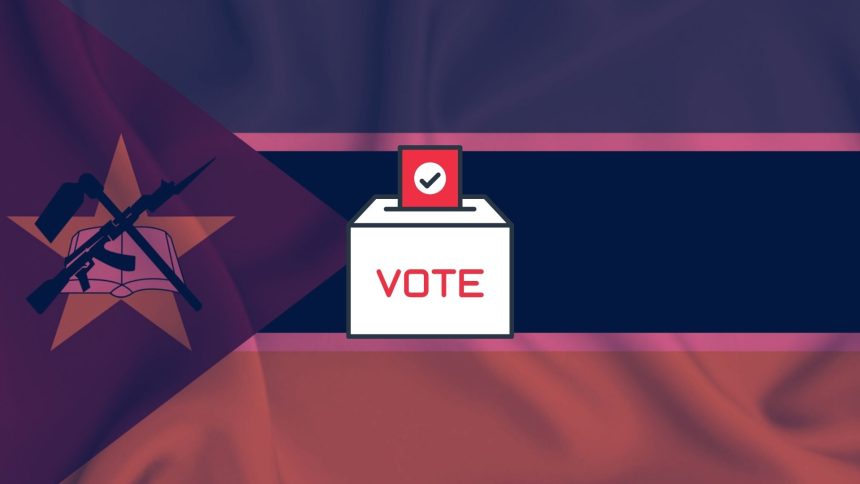
In the heart of southern Africa, Mozambique stands at a crossroads—a nation rich in culture and history now grappling with the aftershocks of its recent elections. While the democratic process is often heralded as a beacon of hope, the shadows of post-election violence loom large, threatening to mar the very foundations of civic engagement. As tensions flare in the wake of electoral decisions, communities that once thrived together find themselves divided by fear and uncertainty.
This article delves into the escalating cycle of unrest, examining the underlying causes, the human toll, and the ripple effects that challenge Mozambique’s quest for peace and stability in a fragile political landscape.
Understanding the Triggers of Post-Election Violence in Mozambique
The inherent volatility that often follows elections in Mozambique is a subject of great concern not just to the African continent but to the global stage. This sense of disquietude is provoked by the tendency towards violence in the aftermath of the electoral process, often arising from grievances, disputes over election results, or the perception of electoral injustice. So, understanding the triggers of this post-election violence becomes essential in designing measures aimed at curtailing this unpalatable trend.
Uncovering the nuances of these triggers isn’t a straightforward process – they can often be deeply layered and entwined with socio-political and economic factors. Among the potential triggers include:
- Electoral Malpractices: When there’s a perception or evidence of foul play in the electoral process, it can incite violence. This can range from ballot stuffing, bribing of voters, to manipulation of election results.
- Political Exclusion: Political exclusion is another major switching point. If certain demographics or geographical areas feel marginalized, the aftermath could be violent.
- Economic Disparity: A significant portion of election-related conflicts are rooted in economic inequalities. When a populace feels economically marginalized, it might escalate to clashes.
- Ethnic Dominance: When one ethnic group dominates political power, it often stirs unrest, which can spiral into violence.
Below is a summary of major triggers of post-election violence in Mozambique:
| Trigger | Explanation |
| Electoral Malpractices | Perceived or evidenced foul play in the electoral process |
| Political Exclusion | Marginalization of certain demographics and geographical areas |
| Economic Disparity | Conflict arising from differences in wealth and resources |
| Ethnic Dominance | Disputes provoked by one ethnic group dominating political power |
Solving the problem of post-election violence necessitates addressing these triggers head-on. It’s a complex issue that requires collective effort, robust policies and interventions, as well as consistent monitoring and evaluation of these implementations to ensure peaceful transitions of power.
The Impact on Communities and Societal Stability
Mozambique’s recurring post-election conflicts not only impair the core functionalities of democratic processes, but they also significantly destabilize communities and induce societal tension. The recent escalation has left many communities bearing the brunt of the ensuing unrest, with a notable increase in acts of violence, vandalism, and disruption of everyday life. Development and stability have become victims in the face of these concerning trends.
Specifically, the turbulence has instigated a considerable shift in communal behaviors. People are living in constant fear with the mood tense, and trust waning. Normal societal activities have been disrupted. The impacts of the instability on the community can be clearly seen in several aspects :
- Education : Regular academic activities have been hampered triggering a significant drop in children’s school attendance.
- Economy : Routine business operations have been affected, as vandalism and looting have led to economic stagnation and severe financial loss for local traders.
- Healthcare : Access to basic healthcare has been obstructed, as violent clashes and rampant destruction makes it tremendously difficult for patients to reach healthcare facilities.
- Infrastructure : Destruction of public property and infrastructure has resulted in severe logistical challenges, further exacerbating the crisis.
| Community Impact | Percentage Affected |
|---|---|
| Education Disruption | 60% |
| Business Loss | 75% |
| Healthcare Accessibility | 40% |
| Infrastructure Damage | 80% |
These troubling statistics signify an urgent need for peacebuilding strategies and the restoration of law and order to arrest the vicious cycle of instability. The international community and governing bodies must work together to ensure a robust democratic process and foster a peaceful post-election environment.
Strategic Approaches to Mitigate Violence and Foster Peace
The recent election in Mozambique has ignited a terrifying escalation of tension and violent conflict. Citizens are living in fear as outbursts of brutality erupt on the streets. A carefully orchestrated approach is needed to both mitigate these burgeoning eruptions of violence and to help foster an atmosphere of peace.
Direct Engagement with Perpetrators:
One way to tackle this escalating situation is through direct engagement with those responsible for the violence. It is important to understand their motivations and grievances to foster dialogue and potential resolution. This could include:
- Mediation talks – Facilitating communication can often help to resolve tensions and disagreements.
- Negotiations – Promote discussions aimed at achieving compromise or settlement, with clearly defined terms of agreement.
- Restorative justice – Enable conflict parties to accept responsibility and find healing rather than resorting to punitive measures.
Empowerment and Capacity Building:
Empowering local communities and ensuring they have the tools to manage conflicts themselves is another strategic approach. Capacity building activities should be targeted at key influencers within communities.
| Suggested Activities | Expected Outcome |
|---|---|
| Peace Education | Aware citizens understanding the importance of peace and non-violence. |
| Conflict Resolution Training | Trained individuals who can mediate within their local community. |
| Employment Opportunities | Reduced risk of individuals joining violent groups out of economic desperation. |
By implementing these two strategic approaches, we may start to see a reduction in violence levels, and a rebuild of unity and harmony within Mozambique communities. It is a challenging endeavor, but it is a crucial step on the path towards lasting peace.
Strengthening Governance and Civic Engagement for Lasting Change
In a dire turn of events, post-election unrest and bloodshed proliferate in Mozambique, tarnishing its democratic aspirations. Reports confirm countless casualties and enormous devastation, warranting global attention and intervention. This alarming escalation further deepens ethnic and political fractures, nudging the nation perilously close to a full-fledged humanitarian crisis.
The escalating violence reveals severe governance deficiencies, flagrant human rights violations, and rampant impunity, fueling civilians’ distrust in state institutions. On a brighter note, a multitude of civil society organizations are tirelessly working towards conflict mitigation, fostering dialogue, and promoting civic participation for enduring change.
- Association for Human Rights and Democracy: It rallies for political and ethnic reconciliations and advocates for human rights and justice.
- Center for Public Integrity: This body strives to enhance transparency and accountability in governance, aiming to fortify Mozambique’s political framework.
- Justice, Peace and Democracy: It fosters dialogue between the government and civilians, advocating for peaceful conflict resolution.
- Mozambique Civil Society Support Mechanism: Promotes civic engagement and strengthens civil society’s role in policymaking and governance.
| Organization | Focal Point |
|---|---|
| Association for Human Rights and Democracy | Political and Human Rights Advocacy |
| Center for Public Integrity | Transparency and Accountability |
| Justice, Peace and Democracy | Peaceful Conflict Resolution |
| Mozambique Civil Society Support Mechanism | Civic Engagement and Policy Influence |
Action is urgently needed to curb this escalating crisis. International communities, governments, and local civil societies must join forces. Stronger governance, enhanced civic participation, transparency, accountability, and respect for human rights are crucial in steering Mozambique towards stability and peaceful co-existence.
Insights and Conclusions
As Mozambique navigates the turbulent waters following its recent elections, the specter of post-election violence looms larger than ever. The ramifications of such unrest extend far beyond the immediate chaos, threatening the fragile fabric of peace and stability that has been painstakingly woven over decades.
While the clamor for change echoes through the streets, it is imperative for leaders, both governmental and community, to cultivate dialogue and understanding. It is in these moments of crisis that the true strength of a nation is tested, and it is this collective resilience that can pave the way for healing and reconciliation.
Moving forward, the choice lies not in succumbing to division, but in fostering an inclusive environment where every voice is heard. As Mozambique stands at this crossroads, the road ahead will require vigilance, compassion, and an unwavering commitment to unity. Only then can the citizens of this vibrant nation transform conflict into opportunity, steering their destiny towards a safer and more harmonious future.


