


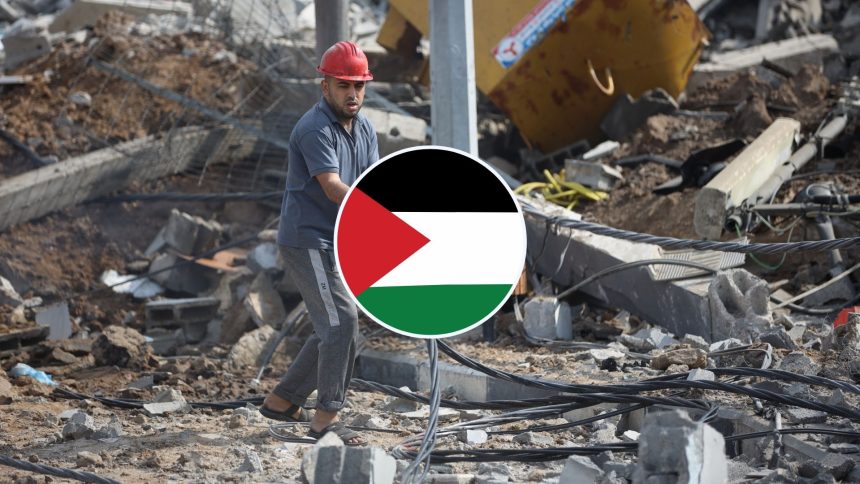
As the sun rises over the densely populated streets of Gaza, the shadows of conflict and despair loom larger than ever. The latest developments in the long-standing Israeli-Palestinian dispute have cast a pall over the region, as reports emerge of an intensified military campaign characterized by a violent siege and alarming depopulation strategies.
This article delves into the complex tapestry of recent events, examining the implications of escalating hostilities on the lives of ordinary Gazans, the broader geopolitical landscape, and the potential ramifications for both local and global peace efforts. By shedding light on the multifaceted nature of this crisis, we aim to foster a deeper understanding of a situation that continues to evoke strong emotions across the world, while navigating the delicate balance between humanitarian concern and political analysis.
Escalation of Military Actions and Humanitarian Implications
The Israeli military operation in Gaza has reached an alarming climax. Civilian spaces such as residential buildings, hospitals, and schools are being subjected to random airstrikes, leading to catastrophic destruction. The complete disregard for humanitarian law is escalating to previously uncharted territories. The audacity of this act is underlined by the significant rise in the resident displacement numbers, shooting up alarmingly within just a matter of days.
- Exodus: Thousands are reported to have been forced out of their homes, with limited access to basic amenities like clean water, health care, and security.
- Destruction: The extensive damage to infrastructure, including sewage and water systems, is also contributing greatly to the worsening humanitarian conditions.
- Children’s plight: With schools being directly targeted, children are left with no safe heavens, putting their education and lives at risk.
| Impact | Numbers Reported |
|---|---|
| Displaced People | 50000 |
| Destroyed Buildings | 1000+ |
| Children Out Of School | 62000 |
The ongoing offensive by Israel is leading to an increased human rights crisis in the Gaza Strip. The population is currently experiencing ailing health and living conditions, due to limited access to food, medicine, and other essential services. The severity of the situation is intensified with the ongoing COVID-19 pandemic, further burdening an already strained healthcare system.
- Health crisis: Increasing cases of injuries and death plead for a stronger international response.
- COVID-19: The pandemic situation, coupled with the airstrikes and subsequent population displacement, has pushed Gaza’s healthcare system to the brink of collapse.
- Human rights: Allegations of war crimes are on the rise, due to the indiscriminate violence directed at civilians, leaving many in a dire state of living.
| Situation | Numbers Reported |
|---|---|
| People Injured | 6000+ |
| Deaths | 250+ |
| COVID-19 Cases | 10000+ |
Key Factors Driving the Offensive and Regional Dynamics
The Israel-Gaza conflict represents an amalgamation of multiple complex political, historical, and socio-economic factors. One of these fundamental facets is the strategic and geopolitical dimension, wherein Israel’s actions reflect its intent to maintain dominance and control over the area. Furthermore, the international community’s consistent inability or unwillingness to enforce meaningful repercussions for Israel’s violations of humanitarian law in the region also influences the persistence of Israel’s harsh tactics in the region.
- Historical Disparity: The various historic peace agreements have failed to adequately address the stark socio-economic discrepancy between Israel and Palestine.
- Geopolitical Significance: The Gaza Strip’s strategic location is a prime factor contributing to the Israeli siege, as control over this region offers significant leverage in regional power play.
- International Diplomacy: The lack of sufficient international pressure on Israel to adhere to UN resolutions contributes to the persistence of unjust policies in Gaza.
Simultaneously, the intricate and often turbulent dynamics within the Middle East region play a crucial role in fueling Israel’s aggressive stance. For instance, the shifting alliances and rivalries amongst different players within the region often divert attention from the plight of the Palestinians, enabling Israel to continue its oppressive policies relatively unimpeded.
| Regional Dynamics | Impact on Israel-Gaza Conflict |
|---|---|
| Iran’s perceived threats | Shapes the strategic priorities of Israel and its allies, leading to a focus on Iran rather than resolving the Israel-Gaza conflict. |
| Saudi-Qatar rivalry | Diverts regional attention and resources away from the Israel-Gaza issue. |
| The Syrian Civil War | Further complicates regional dynamics, draws international focus away from the Israel-Gaza conflict. |
Consequences for Civilian Life and Infrastructure in Gaza
The escalating conflict in Gaza, stemming from Israel’s intensified siege, has brought unimaginable suffering to civilians and catastrophic damage to their infrastructure. Essential services such as water, electricity, and healthcare are in dire straits. The electricity supply, already unreliable before the conflict, is now almost non-existent, leaving families without access to even the most basic amenities. Healthcare facilities, already stretched thin due to the pandemic, are falling apart, with shortages of medicine and equipment threatening countless lives.
The principle of proportional response in warfare appears to have been grossly disregarded, leading to the destruction of civilian properties and countless lives. Civilian homes and buildings, including schools and hospitals, have been targeted and destroyed, leading to massive displacement of families and the devastation of livelihoods. In the middle of a pandemic, this displacement has only exacerbated the health crisis in Gaza.
| Infrastructure | Status |
|---|---|
| Electricity Supply | Critically disrupted |
| Healthcare Facilities | Severely damaged |
| Residential Buildings | Largely destroyed |
| Schools & Hospitals | Targeted and destroyed |
This offensive has also played a role in the depopulation of Gaza. According to human rights organizations, the Israeli strategy involves a series of targeted assassinations and large-scale bombardments that are designed to cause maximum displacement. The aim is to make the region uninhabitable, leaving the remaining population with no other alternative but to flee.
- Population displacement: Over half a million people have been forced to leave their homes.
- Loss of Life: Fatalities are rapidly increasing, with a large majority being innocent civilians, including women and children.
- Quality of life: Living conditions have greatly deteriorated, leaving the remaining population in a constant state of physical and psychological trauma.
Paths to Peace: Diplomatic Solutions and Humanitarian Aid Strategies
The conflict that has gripped Israel and Gaza for decades continues to fester, shifting into a new and escalating phase as Israel intensifies its violent siege and depopulation campaign in Gaza. Primarily employing a strategic combination of economic blockade, military incursions, and debilitating restrictions on movement, Israel aims to isolate and weaken the Palestinian territory. This strategy, however, has contributed to a catastrophic humanitarian crisis, leaving millions of individuals in a desperate state.
To comprehend the gravity of the situation, it is crucial to comprehend the various humanitarian challenges Gaza’s people are facing. The siege has significantly affected daily life, causing severe shortages in basic necessities, from food and water to electricity and medical supplies. A lack of adequate medical facilities and resources has meant that treatments for relatively simple medical issues- typically easily resolved under normal circumstances- have become increasingly challenging.
| Humanitarian Challenges | Effects |
|---|---|
| Food shortage | Widespread malnutrition, particularly among children |
| Water scarcity | Huge public health risks due to consumption of contaminated water |
| Electricity shortage | Significant reduction in productive hours leading to economic stagnation |
| Lack of medical supplies and facilities | Untreated medical conditions leading to higher mortality rates |
In the face of extreme adversity and dehumanization, the international community must exert its collective power and influence to bring lasting peace to the region. Diplomatic interventions geared towards mediation, negotiation, and conflict resolution provide potential paths to cessation of hostilities. Humanitarian aid strategies, too, could prove critical in addressing the immediate needs and alleviating the ongoing suffering of the people in Gaza. Crucially, these initiatives should be synchronized and universally endorsed to ensure maximum efficiency and effectiveness. This would involve:
- Engaging in diplomatic dialogues and summits to broker peace agreements.
- Promoting a non-violence charter aimed at deescalating tensions in the region.
- Organizing international humanitarian aid drives, focusing on the provision of medical aid, food, clean water, and emergency shelters.
- Implementing rehabilitation and recovery programs to foster healing and reconstruction.
In a world that is ever investing in peace and security, no individual or community must be left to endure such pain and suffering. As we move forward, let us not forget the humanity that unites us all. Let Israel and Gaza be testament to the fact that diplomacy and humanitarian aid are not mere gestures, but indispensable tools for building sustainable peace.
In Summary
As the situation in Gaza continues to evolve, the world watches with a mix of concern and disbelief. The ongoing siege and the profound humanitarian implications it carries raise urgent questions about the future of a region long fraught with conflict. While statistics and reports may provide a glimpse into the realities on the ground, they cannot encapsulate the profound human suffering that unfolds day by day.
Moving forward, it is imperative that the international community engages in thoughtful dialogue and peaceful advocacy, striving for a resolution that prioritizes the dignity and rights of all individuals involved. In this complex landscape, understanding the multifaceted narratives at play is crucial for fostering a compassionate response and, ultimately, paving the way for enduring peace. As we reflect on the events that have shaped this narrative, let us remain vigilant and informed, recognizing that the path to reconciliation requires not only awareness but also concerted action.


