


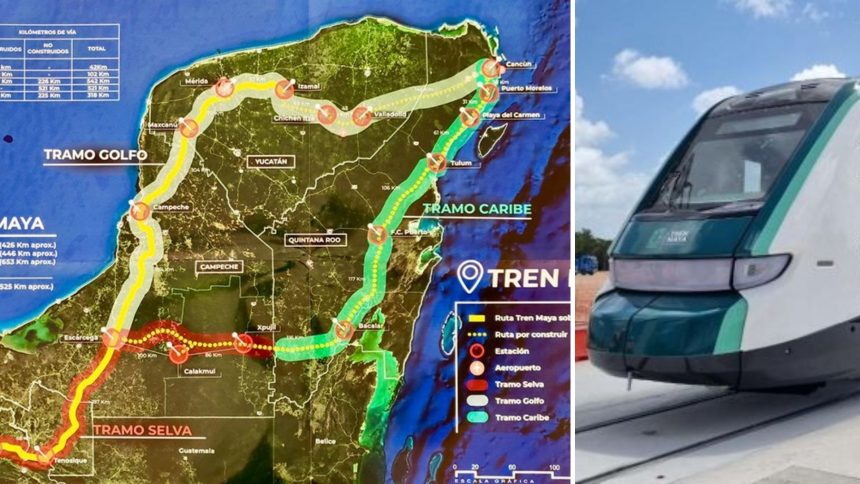
In the lush landscapes of Mexico, where ancient traditions intertwine with the vibrant pulse of modern life, artisans are keeping age-old crafts alive. From the intricate weaving of textiles to the delicate shaping of pottery, indigenous craftspersons are custodians of their cultural heritage, each piece telling a story steeped in history. Yet, as the ambitious Maya Train megaproject rolls forward—promising to reshape not just the transportation networks but also the economic landscape of the Yucatán Peninsula—a startling disconnect emerges.
Many of these skilled artisans remain unaware of the burgeoning megaproject that looms over their communities. This article delves into the lives of these craftspersons, exploring their invaluable contributions to Mexican culture, the challenges they face, and the implications of a megaproject that may alter the very fabric of their existence. As the sound of construction echoes through the jungle, who will be left to preserve the traditions of a region in flux?
Impact of the Maya Train Megaproject on Indigenous Artisans
Often secluded, unrefined, yet the heart of a culturally rich Mexican heritage, the indigenous artisans find themselves at an uncertain crossroad due to the ambitious Maya Train Megaproject. Planned on their ancestral lands, the train is estimated to have immense tourism potential, yet its impact on these artisans remains untold and unanalysed.
To their dismay, many indigenous artisans are uninformed about any details of the project, let alone its possible effects on their craft. Traditional weavers, potters, and sculptors have been shaping their art over generations. But these artists still remain secluded with a daunting lack of resources to understand, let alone influence the project that carries the potential to change the dynamics of their craft forever.
| Trade | Effect of The Maya Train Megaproject |
| Traditional Weavers | Increase in tourism may escalate demand and appreciation, leading to a potential surge in income. |
| Indigenous Potters | A likely increase in the exploitation of natural resources could lead to decreasing clay availability, affecting production unless managed properly. |
| Sculptors | A surge in tourism might lead to an exaggerated demand for more generic and in-demand pieces, pushing artisans to compromise on their authentic aesthetics. |
While the project aims to boost the economy and create more jobs, its impact on indigenous artisans and their craft is largely unpredictable and unaddressed. The artisans not only lack the knowledge about the Maya Train project but also do not have any influence over the planning and implementation of such advancements. As an epitome of centuries-old tradition, their craft must be openly recognized, preserved, and promoted, while changes like the Maya Train Megaproject must consider and integrate the unique and vibrant cultural traditions they uphold.
Cultural Heritage in the Balance: The Overlooked Voices of Craftspersons
Indigenous craftspersons, the guardians of century-old traditions, play an integral role in the cultural heritage of Mexico. However, they are often marginalized and neglected, their voices silenced in contemporary discussions and decision-making processes. Today, their way of life is under threat from a mammoth construction project – the Maya Train, an expected boon for tourism in the region, but at what cost for local culture and heritage?
Indigenous artisans, particularly those residing in the southern states of Chiapas, Tabasco, and Yucatán, are largely unaware of the extent and implications of this vast development project. Many have expressed fears of displacement, cultural erosion, and loss of livelihood. The Maya Train promises to remodel over 1500 kilometers of terrain, impacting several indigenous settlements. As these craftspersons weave, mold, and sculpt centuries of culture into their craft, they now face an uncertain future.
While the Mexican government has pitched the Maya Train as a project of socio-economic development, the potential disruptions to local ecosystems and ways of life can be profound. Critical information related to these aspects has not adequately reached the indigenous communities in the impact-zone. To illustrate, here’s a synthesized table of responses gathered from craftspersons in the Yucatán Peninsula:
| Craftsperson’s Response | Understanding of Maya Train Project |
|---|---|
| Artisan 1 | Limited awareness, fears displacement |
| Artisan 2 | Unaware, concerned for traditional craft |
| Artisan 3 | Minimal knowledge, worried about loss of nature |
| Artisan 4 | No idea about the project, fears cultural erosion |
In addressing these concerns, how might we rebalance the scales? A starting point can be recognizing and respecting the rights of these indigenous craftspersons. Amplifying their voices in mega project planning and management, ensuring the delivery of clear and accessible information, and negotiating fair terms of displacement and rehabilitation could pave the way for a more equitable, culturally rich future.
Bridging the Gap: Enhancing Communication Between Indigenous Communities and Developers
In a recent revelation, a number of indigenous craftspersons residing in Mexico had been found largely unaware about the Maya Train Megaproject, a significant project aimed at boosting local tourism and economic development by the Mexican government. The scenario tends to underline a persisting communication gap between the developers and indigenous communities. The paramount concern arising from such situations is the risk of neglecting the needs and priorities of these indigenous people in large-scale projects.
Among those queried, Cancún-based potter Martina Canul, highlighted that she had only heard rumors about the project and hadn’t been formally informed or consulted. Similarly, other artisans like Santiago Poot, a renowned wood carver from Felipe Carrillo Puerto, voiced similar concerns. They emphasized that their craft was deeply rooted in the culture and history of their region, and their voices needed recognition in such nation-building initiatives.
| Artisan | Speciality | Knowledge About The Project |
|---|---|---|
| Martina Canul | Pottery | Limited |
| Santiago Poot | Wood Carving | Limited |
It’s high time to recognize these communities as crucial stakeholders in the decision-making process. Developers should try to bridge the gap by increasing direct communication, employing more inclusive tools like native language resources, and developing community-specific engagement strategies.
- Strengthening communication channels with the indigenous communities
- Providing comprehensive information about projects in local languages
- Respecting and valuing indigenous knowledge and inputs in decision-making
Only with these initiatives, we can hope towards a more inclusive and considerate development approach that respects and benefits all stakeholders involved.
Empowering Indigenous Craftsmanship: Sustainable Alternatives and Support Strategies
Amidst the rich tapestry of Mexican culture, indigenous craftsmanship stands as a world-renowned pillar. However, a significant chunk of indigenous artisans and craftsmen remain oblivious to the developing Maya Train Megaproject, a government-backed infrastructure venture intending to boost tourism in the region.
Unveiling the Paradox
It’s ironic that in this epoch where sustainable alternatives and support for indigenous artwork is at peak, the very originators of these timeless crafts remain marginalized. In the context of the forthcoming Maya Train project, such artisans are often found far removed from the loom of knowledge about these developments. Notably, these infrastructural advancements are projected to influence the market dynamics of indigenous arts and crafts. This begs the question, why are the creators being left out of the narrative?
The Maya Train Project
| Project | Goal | Impact |
|---|---|---|
| Maya Train | Boost tourism in Mexico | Alter market dynamics for indigenous arts and crafts |
The Maya Train, an ambitious 1500 km megaproject undertaken by the Mexican government, intends to stimulate the tourism industry by linking numerous touristic, cultural, and archaeological locations. Notably, several of these sites embellish the staggering beauty of indigenous arts and crafts. Unfortunately, many indigenous artisans are unfamiliar with the project, possibly due to its limited outreach. More needs to be done to increase their awareness and involvement in such developmental activities that influence their livelihoods directly.
What Needs to Change?
- Educational Outreach: Detailed informational sessions about the Maya Train project should be held among the indigenous communities.
- Inclusion: Incorporating these artisans and craftsmen in the planning and execution of the project can create an ecosystem of informed participation.
- Sustainable Support: In order to safeguard their interests, strategies for sustainable production and support of their crafts should be deliberated and implemented.
The importance of indigenous craftsmanship transcends its aesthetic appeal. It’s an integral part of their cultural heritage, a tangible manifestation of their storytelling lineage. Ensuring the prosperity of these craftsmen through appropriate information dissemination, inclusion, and support strategies will not only uphold their rights but also enrich the cultural bedrock of Mexico drastically.
In Conclusion
As we conclude our exploration of the indigenous craftspersons in Mexico—those silent guardians of cultural legacy—it’s evident that the echoes of the Maya Train megaproject ripple through communities in ways they have yet to fully comprehend. While the train promises connectivity and economic opportunities, it also raises questions about the future of traditional craftsmanship and the lore that each artisan weaves into their creations. Unaware of the implications this transformative initiative holds, these artisans continue to create, carefully balancing the weight of their heritage with the uncertain tides of change.
As discussions around the megaproject evolve, it is crucial for all stakeholders to consider the voices of those who have long been stewards of the rich tapestry of indigenous culture. This journey into the heart of Mexico’s craft heritage serves as a reminder that development should not come at the cost of disappearing histories—rather, it should strive to enhance and honor them, ensuring that the vibrant artistry of the past continues to thrive in the present and future.


