


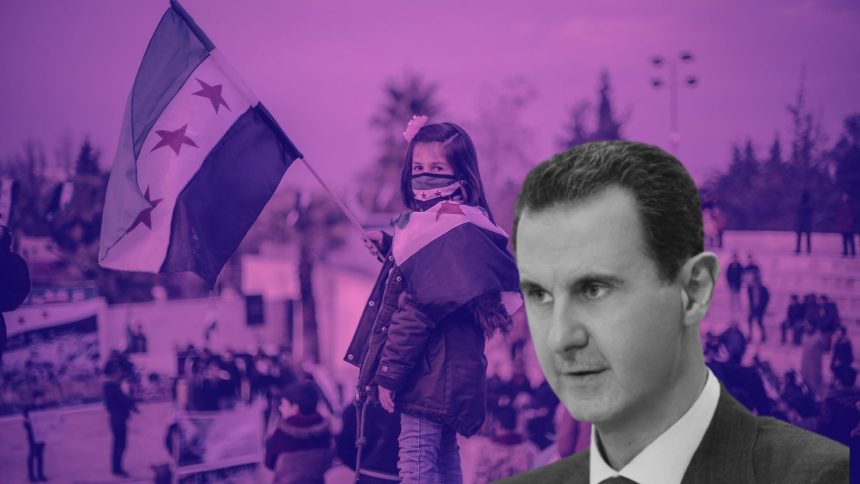
In the intricate tapestry of international relations, the threads woven between Turkey, Russia, and Iran have taken on renewed significance as these three regional powers convene to address the multifaceted crisis in Syria. With a backdrop of shifting allegiances and complex geopolitical interests, this trilateral meeting heralds a crucial moment for the future of a war-torn nation and its people.
As the stakeholders gather to dissect the persistent strife and explore potential pathways toward stability, their discussions encapsulate a blend of cooperation, rivalry, and the quest for influence in a region marked by turmoil. This article delves into the dynamics at play as Turkey, Russia, and Iran seek to navigate the treacherous waters of the conflict, revealing the intricacies of their interactions and the implications for the broader Middle East.
Turkeys Strategic Position in the Syrian Landscape
In a rather dynamic geopolitical landscape, Turkey has emerged as a key player in the Syrian crisis. Leveraging its strategic geographical advantage, Turkey has been instrumental in influencing the course and consequences of the prolonged civil war in this country. As part of its efforts to mediate a peaceful resolution, Turkey recently convened a high-profile meeting with two other significant regional powers, Russia and Iran. Occurring on the backdrop of escalating tensions, the trilateral forum proved to be a crucial platform to deliberate on strategies and measures to address the evolving crisis.
The meeting aimed to reconcile differences and chart out a unified path towards a peaceful and stable nation. The three nations, despite their diverse political agendas and strategic interests, recognized the importance of regional stability and concerted actions. To address this, they focused on the following key issues:
- Political Transition: Considering the political vacuum and chaos, the countries explored the possibility of facilitating a peaceful political transition in post-war.
- Humanitarian Aid: The trio committed to bolstering humanitarian aid to alleviate the sufferings of millions of displaced Syrians within the country and in neighboring regions.
- Countering Terrorism: They agreed to strengthen their joint security measures to counter the threat of radical extremist groups spreading havoc in the conflict-stricken nation.
| Country | Strategic Interest in Syria |
|---|---|
| Turkey | Regional security, curbing Kurdish separatism |
| Russia | Maintaining naval base access, expanding regional influence |
| Iran | Preserve ally government, counterbalance Israeli and Saudi influence |
Turkey’s strategic positioning coupled with the proactive engagement of Russia and Iran in the Syrian crisis brings forth a unique opportunity for a potentially promising dialogue process. The judicious use of this trilateral platform could indeed pave the way for a comprehensive solution to the long-drawn conflict.
Russias Role as a Mediator and Its Diplomatic Balancing Act
The situation in Syria has been a concern for the international community for nearly a decade. However, Russia has been particularly instrumental in handling the crisis thanks to its uncommon ability to maintain nuanced relationships with all the involved parties. This recent meet up with Turkey and Iran to discuss the crisis, exemplifies Russia’s adept negotiations and diplomatic acumen on the critical issue.
While Russia stands firmly with the Syrian government, it’s also maintained an understanding with Turkey, which firmly supports rebel groups. Tehran, on the other hand, shares Moscow’s pro-regime sentiment, with the added complexity of a strained relationship with Ankara due to regional rivalries. Through this tricky balancing act, Russia has managed to carve out a central role, acting as a bridge between these three nations, each having diverse interests and stakes in the crisis.
- Russia: Supports Syrian Govt.
- Turkey: Backs Syrian rebels
- Iran: Backs Syrian Govt. with strained ties with Turkey
However, this is not a simple matter of choosing sides. It is crucial to consider the broader geopolitical implications, factoring the nuanced power dynamics and historical relationships between these countries. Here’s a simple table summarizing standpoints:
| Country | Stake | Political Standpoint |
|---|---|---|
| Russia | Preserve strategic ally | Pro-Govt. |
| Turkey | Buffer against Kurdish separatists | Anti-Govt. |
| Iran | Consolidate regional influence | Pro-Govt. |
This exceptional diplomatic finesse displayed by Russia, in such complex negotiations, highlights the essential role it plays in multilateral discussions pertaining to the crisis. Moscow continues to exert considerable influence over the proceedings, working tirelessly to ensure that the interests of all parties are represented in the discourse. This approach has earned them the respect and trust of the other nations involved, which will prove invaluable for continued dialogue and resolution.
Irans Influence and Interests in the Ongoing Conflict
The ongoing conflict in Syria has sparked significant diplomatic dialogue among top regional and global powerhouses. One particularly noticeable player has been Iran, whose strategic interests in the region have stoked its involvement in efforts to address the turmoil. Recognizing its deep-seated historical, religious, and cultural ties with this country, Iran sees a stable and friendly Syrian government as critical for its regional security and influence.
- Geopolitical Power Balance: Given its geographical position, Iran leverages Syria as an important link in its “Resistance Axis” against American and Israeli influence.
- Preservation of Friendly Regimes: Iran has a vested interest in preserving the government of Bashar al-Assad, partly because of their shared Shia faith, but more importantly because the regime serves as a strategic ally in the region, providing Iran access to the Lebanese group Hezbollah.
- Economic Interests: Iran has invested heavily in Syrian infrastructural and entrepreneurial projects, highlighting its economic stake in the nation’s stability.
| Year | Iran’s Aid to Syria($USD) |
|---|---|
| 2011 | 1 billion |
| 2012 | 2.5 billion |
| 2013 | 3.6 billion |
| 2014 | 4.6 billion |
| 2015 | 6 billion |
| 2016 | 6 billion |
The meeting between Iran, Russia, and Turkey signifies an important juncture for Iran as it balances its national interests and global diplomacy. While Syria’s proximity and geopolitical importance to Iran are not lost on any attendees, the nuances of these negotiations will influence not only the path to resolution in Syria, but also the broader regional power dynamics. Iran continues to advocate for a political solution that respects the sovereignty and territorial integrity of Syria and ensures its influence in the region is secure.
Pathways to Cooperation: Building a Sustainable Framework for Peace in Syria
Amid the continuing crisis in Syria, Turkey, Russia, and Iran drew together in a historic meeting, aiming to formulate a feasible strategy that could facilitate the transition towards peace in the war-ravaged country. These key stakeholders, notwithstanding their individual relationships with Syria, expressed commitment to creating a viable framework for reconciliation and reconstruction.
The crux of the discourse revolved around three paradigms as follows:
- Promote bilateral dialogue: Encourage Syria to engage in talks with dissenting factions, thereby dissolving threads of discord.
- Humanitarian assistance: To mutually assure swift and comprehensive delivery of humanitarian aid to all Syrian areas in need.
- Constitutional reform: To share views on the formation of a committee that can instigate constitutional reform in Syria.
The emphasis throughout the process was to facilitate a ‘Syrian-led and Syrian-owned’ peace process — a goal which the United Nations have long advocated for. This approach respects Syria’s sovereignty, while steering the nation towards durable peace and stability. Below is a snapshot of the peace plan proposal:
| Proposed Actions | Responsibility |
|---|---|
| Encourage bilateral dialogue | Turkey, Russia and Iran |
| Assure delivery of humanitarian aid | Turkey, Russia and Iran |
| Launch constitutional reform committee | Syria led by the United Nations’ guidance |
This meeting and the subsequent cooperation framework could mark a turning point in mending Syria’s long-standing conflict. Yet, the journey towards a harmonious Syria will require consistent efforts, political courage, and an unwavering commitment to peace by all involved stakeholders.
The Way Forward
As the dust settles on the latest trilateral meeting between Turkey, Russia, and Iran, the intricate tapestry of the Syrian crisis remains as complex as ever. Each nation, with its own set of interests and stakes in the region, continues to navigate the delicate balance of diplomacy, power, and influence. While the discussions may have yielded some clarity, the path to a lasting resolution is fraught with challenges. As external forces shift and internal dynamics evolve, the world watches closely. The future of Syria hangs in the balance, reminding us that in the realm of international politics, the solutions are often as complicated as the problems themselves.
The ongoing dialogue among these key players offers a glimmer of hope, suggesting that even amidst turmoil, the pursuit of peace remains a possibility. As we turn the page on this chapter, we are left to ponder what the next steps will be in this ever-evolving narrative and how the actions taken today will shape the future of a nation in desperate need of stability.


