


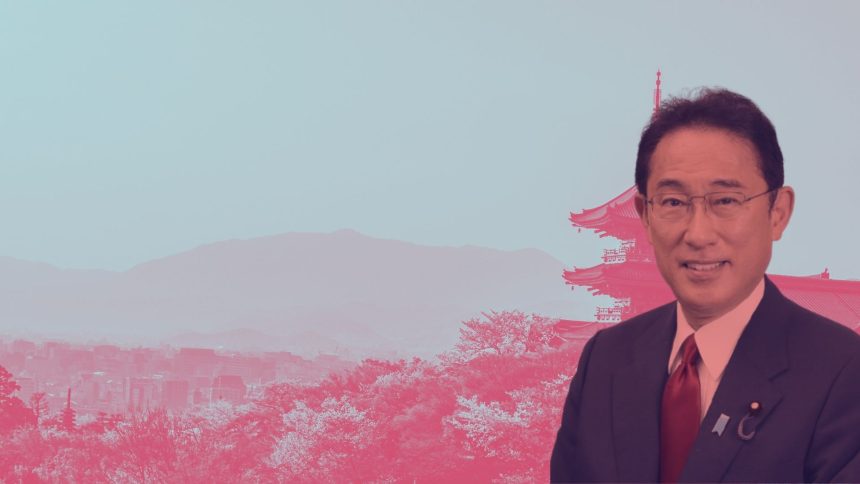
In the ever-shifting landscape of Japanese politics, a seismic shift is on the horizon as Prime Minister Fumio Kishida announces his intention to step down from his post. This decision, heralded by both supporters and critics alike, reflects the intricate tapestry of challenges that have defined his tenure — from economic turbulence to international relations and domestic reform.
As the nation anticipates a new era of leadership, the implications of Fumio Kishida’s departure extend far beyond the confines of the Diet, marking a pivotal moment in Japan’s political narrative. With uncertain winds ahead, the question remains: who will chart the course for Japan in the wake of Fumio Kishida’s exit, and how will this change reshape the country’s future?
The Impact of a Leadership Change on Japans Political Landscape
In a surprising twist of events, Prime Minister Fumio Kishida announced his resignation from Japan’s premier political role. Known for his thoughtful and measured approach to leadership, Fumio Kishida’s departure creates a void in the center of Japan’s increasingly complex political landscape. His successor will face the herculean task of navigating continuing controversies stemming from the coronavirus pandemic, mounting economic pressures, and growing geopolitical tensions in the region.
The ripple effect of this change at the helm of a significant East Asian power brings unpredictable changes. Analysts anticipate key shifts in three main areas:
- Foreign Policy: There may be adjustments in foreign relations, specifically towards China and the United States, which will undoubtedly influence the balance of power in East Asia.
- Economy: There could be a potential shift in economic policies, especially considering the impending global economic recovery post-COVID-19.
- Domestic Affairs: With the upcoming elections, new leadership might reshape domestic policies, affecting key areas like education, healthcare, and public finance.
Nevertheless, a lot will depend on who takes the reins post-Fumio Kishida. The following table illustrates some potential successors with a brief overview of their policy leanings.
| Politician Name | Policy Leaning |
|---|---|
| Taro Kono | Favors economic liberalization and active diplomacy |
| Shigeru Ishiba | Advocates for decentralization and agricultural reform |
| Seiko Noda | Focuses on gender equality and revitalizing rural regions |
In the coming weeks, the world’s eyes will be on Japan as the country embarks on the transition to new leadership. The aftermath of this leadership change, for better or worse, will have a significant impact on Japan’s political landscape and, by extension, international relations.
Analyzing Fumio Kishidas Key Policies and Their Future Viability
Emerging victorious as Japan’s 100th Prime Minister, Fumio Kishida introduced a suite of progressive policies intended to tackle the country’s key challenges. Known for his moderate approach, he has put forth projects targeted at rejuvenating the economy, addressing demographic shifts, and bolstering national security. While these proposals have garnered significant attention, their long-term viability remains to be analysed in order to fully understand the potential outcomes.
Fumio Kishida’s economic standpoint is characterized by his advocacy for a new form of capitalism, dubbed as “Kishida-nomics”. Instead of following in the footsteps of former PM Shinzo Abe’s Abenomics, Fumio Kishida’s plan aims to ensure that all citizens reap benefits from Japan’s growth while addressing social inequality. Key policies include:
- Creating a digitized financial infrastructure.
- Promoting green-energy investment.
- Supporting small and medium-sized businesses.
| Policy | Potential Impact |
|---|---|
| Digital Transformation | Could accelerate economic recovery and increase national output. |
| Green Investment | Promotes sustainable practices but might face resistance from traditional industries. |
| SMME Support | Could stimulate growth but need significant funding. |
However, Kishida’s policies will meet some challenges in their implementation. The emphasis on digital finance, while innovative, requires extensive infrastructural changes and a major paradigm shift for the populace. Similarly, the focus on environmental conservation, although critical in today’s climate, may encounter initial resistance from industries still heavily dependent on conventional energy sources. Lastly, ensuring equitable distribution of wealth implies significant governmental intervention, which may not sit well with the more liberal factions of the economy who advocate fiscal conservatism.
Regardless of the potential obstacles, Fumio Kishida’s innovative approach combined with his political experience presents him with the opportunity to establish a legacy of revolutionary change. This may pave the way for a new era in Japan’s political landscape. Whether these policies will truly stand the test of time, only the future can tell.
Public Sentiment and the Path Forward for Japans Next Leader
In the wake of Prime Minister Fumio Kishida’s upcoming resignation, Japan is once again in a position to choose a new leader. Following a term defined by COVID-19 management and economic revival attempts, Kishida’s sudden decision to step down, though initially met with shock, seems to have rapidly gathered momentum in public sentiment.
Public Sentiment: Several surveys conducted across the archipelago reveal that citizens are voicing concerns about governmental stability, even as they understand the necessity for fresh leadership. The factors steering public opinion range from socio-economic issues to the management of the pandemic, naturally bringing into question the direction Japan will adopt in the post-Kishida era.
- Economic Policies: Public expectations are high for a leader who will implement effective policies to kickstart the economy and alleviate the burden of COVID-19 driven recession.
- Pandemic Management: Citizens hope for a leader who follows a science-based approach in managing the pandemic, with due balance between health considerations and economic revival.
- Foreign Policies: The geopolitical landscape necessitates a leader with a deft hand in foreign policy, especially concerning relations with powerful neighbours like China and the US.
- Constitutional Revision: The controversial issue could be a deciding factor for many voters. They await a leader who voices clear views on the revision of Japan’s post-war constitution.
| Public Opinion on Key Issues | |
|---|---|
| Economic Revival | High |
| Pandemic Management | Moderate to high |
| Foreign Policies | Moderate |
| Constitutional Revision | Varied |
The incoming leader will inherit these public sentiments and thereby, the responsibility to guide Japan through uncharted waters. Whoever assumes the Prime Minister’s office next will need to listen, understand and respond to the country’s complex and diverse feelings about this pivotal time in its history.
Recommendations for Effective Governance in a Transitional Period
During the transitional period, it’s crucial not to lose sight of the nation’s key objectives and principles. As Japan navigates towards selecting a new leader, the government must uphold consistency in policies, strategic communication and a smooth and inclusive transition. This period, viewed as a sensitive time nationally, urges the incumbent Prime Minister Fumio Kishida to facilitate an effective handover.
- Exude consistency: Any changes in administration bring forth the potential for policy shifts. However, to ensure stability, the incumbent government should maintain clarity and consistency in ongoing policies and projects,
- strategic communication: The interim period calls for proactive, transparent, and strategic communication. Clear messages about ongoing developments and the transition process should be provided at regular intervals to prevent misinterpretation and anxiety,
- and foster a smooth and inclusive transition: The handover process should involve key stakeholders, including incoming office holders, staff, and the general public. This will ensure everyone understands the changes to come and can act in conjunction with them.
To understand the possible scenarios that could play out post Kishida’s exit, let us examine potential political influences that could come into play. Here’s a simple table representation to demonstrate:
| Potential Influences | Implications |
|---|---|
| Political Party Dynamics | Change in power dynamics within the ruling party |
| International Relations | Shifts in foreign policy and diplomatic relations |
| Domestic Affairs | Changes in domestic policy focus or direction |
keeping the above points in mind can help navigate disarray challenges during the crossroad, ensuring a smooth and effective governance transition in Japan.
To Wrap It Up
As Japan enters a new chapter in its political landscape, the anticipated departure of Prime Minister Fumio Kishida marks a significant turning point. His tenure, characterized by complex challenges and ambitious reforms, reflects the intricate tapestry of modern Japanese governance. While his resignation evokes a blend of nostalgia and uncertainty, it also opens the door to fresh perspectives and leadership styles that may steer the nation in new directions.
As political stakeholders gear up for this transition, the question remains: Who will rise to the occasion and shape the future of Japan? The unfolding narrative promises to be as compelling as Kishida’s journey itself, inviting citizens and observers alike to stay engaged in the evolving story of a nation poised for change.


