


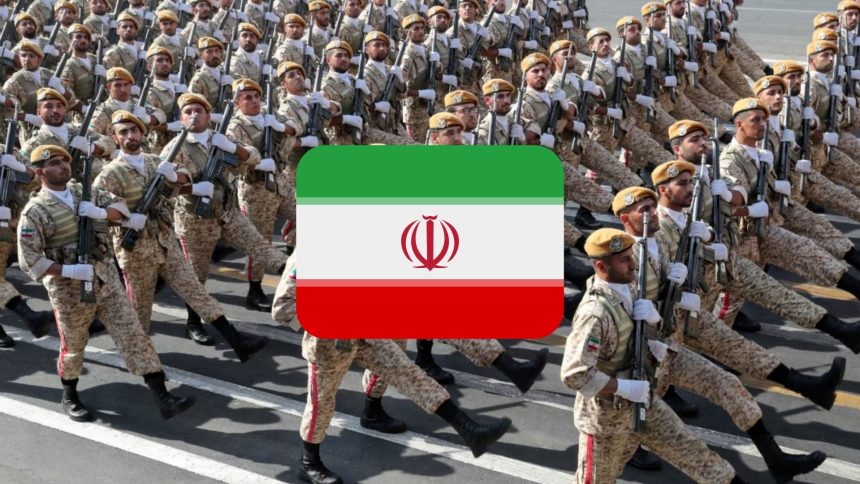
In the complex tapestry of Middle Eastern geopolitics, the threads of tension often interweave with moments of unforeseen conflict. Recently, the air has thickened with the echoes of military maneuvers and diplomatic barbs as Iran has issued a stern warning in response to a series of aerial strikes attributed to Israel. This escalating exchange of threats underscores not only the fragile state of regional security but also the intricate dance of power dynamics that defines relations between these two nations.
As both sides prepare to navigate this precarious landscape, the implications of Iran’s retaliation loom large, casting shadows over the broader geopolitical climate in a region already fraught with unrest. In this article, we delve into the roots of this animosity, the recent developments that have provoked Iran’s ire, and the potential repercussions for security and stability in the Middle East.
Irans Response: Assessing the Implications of Military Escalation
In a fiery response to Israel’s escalated military activities, Iran has clearly communicated its intentions to retaliate. A veil of tension envelops the Middle East as this ominous threat looms overhead, with international experts pondering the potential aftermath of this escalating situation.
Iran’s staunch stance comes on the heels of recent Israeli assaults allegedly aimed at Iranian targets. Not wavering in its determination, Iran has indicated it will respond with an appropriate measure, raising fears of a deepening conflict that could destabilize the region further.
Analysts point out a variety of potential implications due to Iran’s promised retaliation:
- Military Confrontations: Direct engagements between the two nations could increase, risking the lives of many.
- Economic Impact: Prolonged military engagement could detrimentally influence the economy.
- Regional Stability: The destabilized Middle East could see increased violence.
- Global Insecurity: Global insecurity could soar due to potential engagement of the nations’ allies.
These are propositions that the international community cannot afford to ignore as talks of peace remain vague and distant.
| Aspect | Potential Impact |
|---|---|
| Military | Potential escalation of direct confrontations |
| Economic | Detrimental influence on the economy |
| Regional Stability | Possible increase in violence within the region |
| Global Insecurity | Rise in global tensions and security threats. |
Ultimately, the onus lies on the international community to acknowledge the brewing tensions and take necessary steps to navigate this precarious situation. The need for diplomatic intervention is more crucial than ever to prevent a potential full-scale conflict.
Historical Context: Understanding the Roots of Iran-Israel Tensions
To better understand the roots of the current Iran-Israel tensions, it’s crucial to dive into their historical context. A significant milestone in their relationship was the establishment of Israel in the year 1948. Iran, being a non-Arab country and having a substantial Jewish population, formed diplomatic ties with the newly formed Jewish state. However, the scenario took a sharp turn after the 1979 Islamic Revolution in Iran. It not only overthrew the ruling monarch but also drastically transformed the country into an Islamic Republic. This metamorphosis in Iran’s political landscape served as a turning point in its relations with Israel.
- The Shah’s ouster: This marked the end of Iran’s ties with Israel. The new Islamic regime heavily criticized Israel and started supporting groups like Hamas and Islamic Jihad, which would often conflict with Israel.
- First Lebanon War: The war in 1982 saw Iran sending Revolutionary Guards to Lebanon. They fuelled and supported Hezbollah in its battle against Israel which further strained relations.
- Nuclear tensions: Israel has persistently accused Iran of developing nuclear weapons under the garb of a peaceful nuclear program. Iran denies, but tensions over this issue continue to escalate.
According to the studies, The Axis of Resistance, a political-military alliance against Israel and the West, often served as a bulwark to Israeli hegemony in the Middle East. This alliance, according to many historians and political analysts, was rooted in Iran’s foreign policy after the Islamic Revolution.
| Year | Event | Impact |
|---|---|---|
| 1948 | Establishment of Israel | Direct Diplomatic relations with Iran |
| 1979 | Islamic Revolution in Iran | Diplomatic relationships ends |
| 1982 | First Lebanon War | Relationship strained further |
| Present | Nuclear Tensions | Continuous escalation of tensions |
Reflecting upon these historical events can provide valuable insights into the complex nature of Iran-Israeli tensions. The transformation from allies to adversaries was not over-night, but a mixture of regional politics, religious sentiments and foreign policy shift that continues to fuel their enmity.
Diplomatic Pathways: Exploring Potential Solutions to Prevent Conflict
Against the backdrop of recurrent security concerns and escalating political tension, the posturing of Iran and Israel persists to test the mettle of international diplomacy. Iran’s recent threats of retaliation following Israel’s military strikes have monumentally operated as a catalyst urging for exploration of peaceful and diplomatic strategies to avert potential conflict. While the risk of backlash and adverse outcomes remain, the international community can’t afford to ignore the potential solutions to prevent further escalation.
Key recommendations in navigating the treacherous geopolitical landscape revolve around a balance of diplomacy, sanctions, and tactical military deterrence. A keystone to creating a buffer against immediate conflict escalation involves:
- Bilateral dialogues: Facilitating direct communication between Iran and Israel to discuss grievances and potential resolutions.
- Third-party mediation: Engaging global powers like the United Nations or neutral countries to mediate talks with the dual objective of de-escalation and fostering mutual trust.
- Regional alliances: Involving countries within the Middle East in a collective security framework aimed at maintaining regional stability.
| Strategy | Potential Benefits |
|---|---|
| Bilateral Dialogues | Framework to vent grievances and avoid misunderstanding |
| Third Party Mediation | Minimization of aggressive posturing and fostering trust |
| Regional Alliances | A collective approach to ensure regional stability and security |
As potential conflict hovers in the Middle East, the cruciality of exploring promising diplomatic pathways cannot be stressed enough. The imperative for de-escalation hinges on the entirety of the international diplomatic community harnessing its collective will to help foster an environment of mutual respect, negotiation and peace-building among these longstanding adversaries.
Global Reactions: Analyzing International Stakeholder Responses and Recommendations
The recent escalation in the Middle East has drawn a multitude of reactions at an international level. Some of these responses diverged considerably, reflecting the complex geopolitical circumstances that surround the Israeli-Iranian confrontation. United States, ever the staunch ally of Israel, backed the country’s right to self-defense. Russia, Iran’s primary supporter, strongly criticized the airstrikes and called for restraint. The European Union, meanwhile, expressed concern over the increasing tension and urged dialogue to resolve differences.
China took a similar stance with the EU, emphasizing the importance of maintaining peace and stability in the Middle East. On the Arab front, reactions varied, with countries like Saudi Arabia and the United Arab Emirates quietly supporting Israel, while Syria denounced the strikes. These differing perspectives point towards a need for a comprehensive approach to avoid escalation.
| Country | Reaction | Recommendation |
|---|---|---|
| United States | Supports Israel’s self-defense | N/A |
| Russia | Criticizes the airstrikes | Called for restraint |
| European Union | Expresses concern | Urged dialogue |
| China | Similar stance with EU | Importance of peace and stability |
| Arab Countries | Varied reactions | Need for comprehensive approach |
The international stakeholders’ responses and recommendations highlight the intricacies of the situation. It is apparent that an aggressive stance would not pave the way towards reconciliation. Instead, a tactful, multi-pronged approach may serve as a better option that fosters communication and promotes peace, a prospect more desirable for all parties involved.
The Conclusion
As tensions escalate in the Middle East, the stakes continue to rise as Iran voices its anger over recent military actions by Israel. The region remains on edge, caught in a complex tapestry of geopolitical interests and historical grievances. As both nations navigate this fraught landscape, the world watches with bated breath. The implications of Iran’s threats and Israel’s military strategies reverberate beyond their borders, influencing global politics and security.
As we close this chapter of conflict, the future remains uncertain. Diplomacy may offer a glimmer of hope, but the path forward is fraught with challenges. In a world where alliances shift and rivalries simmer, the repercussions of this standoff may reshape not only the Middle East but the entire international community. The narrative is far from over, and as events unfold, the global dialogue surrounding peace, security, and mutual understanding will only grow more critical. Let us remain vigilant, informed, and compassionate in our pursuit of a more stable world.


