


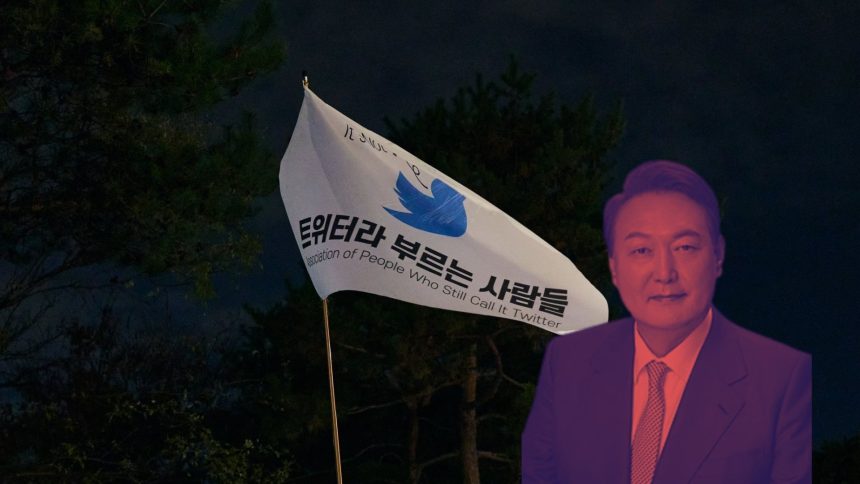
In a tumultuous political landscape marked by fervent public discourse, South Korea’s President finds himself at the heart of a growing controversy as calls for martial law resound across the nation. What began as a response to escalating social unrest has quickly morphed into a complex debate, igniting passion among citizens and challenging the delicate balance between security and civil liberties.
With protests flaring and opinions sharply divided, this article delves into the roots of the backlash, exploring the implications of such dramatic measures and the responses from a populace whose democratic ideals are woven deeply into the fabric of its society. As South Korea grapples with its turbulent present, the world watches closely—wondering not only how the nation will respond to these unprecedented challenges, but also what this moment means for the future of governance and freedom in a country that has long been a beacon of democracy in the region.
South Korean President and the Dilemma of Democratic Integrity
The South Korean President has lately been confronted with a dismaying amount of backlash regarding the proposal of a martial law. The backlash comes from diverse sectors of the society which include both citizens and political figures who staunchly oppose this move. The opposition believes this motion to be an undemocratic action that could potentially breach constitutional rights and also ruin the country’s image as a democratic nation on the global front. A wave of protest rallies and sit-ins have been organized across the country voicing out dismay over this proposed act.
This controversial proposal has brought about a series of reactions, predominantly a tale of two sides:
- Critics argue that implementing martial law is a backward step. They fear that the move could lead to the unjust use of presidential powers, resulting in oppression reminiscent of the nation’s past dictatorship.
- On the other hand, Supporters believe that this drastic measure is necessary due to the rise in national security threats and ongoing tension with North Korea. They argue similar measures are used elsewhere in the world for countering similar risks.
On a broader spectrum, these ongoing debates raise several important questions on the integrity of democracy itself and how far should it stretch in terms of law enforcement and maintaining peace and order.
| Advantages | Disadvantages | |
|---|---|---|
| 1 | Fast execution | Loss of freedom |
| 2 | Temporary security | Abuse of power |
| 3 | Crime reduction | Human rights violation |
Given the two sides of this argument, it remains to be seen if the South Korean President can navigate this thorny issue while still maintaining the high standards of democratic integrity for which the nation is well recognized.
Public Response and the Growing Concerns Over Civil Liberties
The public response to the South Korean President’s martial law declaration has been prominent and critical, raising significant concerns over the diminishing civil liberties. There is a growing fear that this act is an attempt to quilt any opposition towards the government, ultimately undermining democracy. Critics claim this move not only encroaches on citizens’ basic freedoms but also represents a fundamental threat to the nation’s constitutional order.
In the hold of martial law, the right to free speech, peaceful assembly, and privacy is significantly curtailed. The stringent restrictions enforced include:
- Limitation on free speech: Citizens are restricted from criticizing the government, inducing a severe breach to freedom of expression.
- Restricted public gatherings: Peaceful assembly and protests have been held back, underscoring the obstruction of citizens’ right to public assembly.
- Increased surveillance: Unchecked surveillance and increased police powers have led to intrusion into citizen’s privacy.
In addition, the imposed laws have led to fear of unjust detentions, ultimately creating an atmosphere of fear and repression. The table below summarizes some primary public concerns and their ramifications:
| Public Concerns | Ramifications |
|---|---|
| Diminished Freedom of Speech | Created an atmosphere of fear and self-censorship amongst citizens. |
| Restricted Public Gatherings | Severe infringement on the right to assembly and protest. |
| Increased Surveillance | Raised privacy issues and fear of unwarranted interference in personal lives. |
The unprecedented uproar by the public has emphasized the need to reassess the democratic values and protect the fundamental human rights, which seem to be fading in the shadow of martial law.
Historical Context: Understanding Martial Law in South Korea
South Korea’s historical context regarding martial law spans numerous political epochs. In its recent history, this nation experienced martial law under military governments twice – first from 1961 to 1963, during the military coup led by Park Chung-hee, and again from 1972 to 1979, during Park’s Yushin regime. These episodes have left a profound mark on the country, shaping its sociopolitical landscape and influencing public sentiment towards martial law.
Martial Law in 1961-1963
- The military coup in 1961 led by Park Chung-hee saw a swift seizure of power and the imposition of martial law. This period witnessed a clampdown on democratic freedoms, with stringent censorship and restrictions on political activities leading to the persecution of numerous civilians.
- The Park administration justified martial law as necessary for national safety and economic development, but it deeply eroded public trust and engendered resentment among the populace.
Martial Law in 1972-1979
- In 1972, the Yushin regime brought about the second martial law that lasted until 1979. It further curtailed civil liberties, instated lifetime presidency for Park, and dissolved the national assembly.
- Despite economic growth and modernization during this era, the brutal suppression of dissent, including the notorious Gwangju Massacre, elicited a deep public outcry and opposition which led to Park’s assassination in 1979.
| Period | Establishment | Key Events |
|---|---|---|
| 1961-1963 | Park Chung-hee’s Coup | Seizure of power, stringent censorship, and persecution of civilians |
| 1972-1979 | Yushin Regime | Further curtailment of civil liberties, lifetime presidency for Park, and the Gwangju Massacre |
apprehension towards martial law in South Korea is rooted in painful historical experiences. With the nation’s democratic gains over the recent years, any proposition related to martial law can trigger widespread backlash from the society well aware of its past.
Path Forward: Recommendations for Government Transparency and Accountability
In analyzing the current situation in South Korea, the Office of the President faces a critical backlash over the proposed instigation of martial law. One of the main governing tenets that should always be maintained above all else is transparent and accountable governance. Below are a series of recommendations that should be implemented to enhance government transparency and promote accountability.
Regulatory changes: It’s paramount for the South Korean government to introduce stringent policies to ensure the proper functioning of a democratic nation. Policies must include; an open door policy that guarantees citizens the right to request information about government operations and decision-making processes, laws that demand public officials disclose their financial transactions and a robust investigative body to promptly inspect cases of corruption.
Following these recommendations will not only reduce the backlash but also help in building trust among the citizens. Furthermore, it will make the government more open and accountable in its dealings.
| Initiative | Benefit |
| Open Door Policy | Promotes citizen participation and engagement. |
| Financial Transparency | Reduces chances of corrupt dealings and fosters economies’ growth. |
| Robust Investigative Body | Ensures that justice is served and maintains law and order. |
The road to achieving total governmental transparency and accountability is lengthy and filled with numerous challenges. However, the persistence and the will to meet every citizen’s expectation for a transparent and accountable government are what progressive leadership requires. The recommended path forward is to foster a culture of openness and accountability, for a brighter South Korea.
To Wrap It Up
As the dust settles on the announcement of martial law in South Korea, the nation stands at a crossroads—its citizens grappling with a complex interplay of governance, security, and civil liberties. President faces not only significant domestic backlash but also international scrutiny as the implications of such a decision ripple across the political landscape. In a country renowned for its vibrant democracy and robust civil engagement, the response from citizens will likely shape the trajectory of leadership, policy, and future discourse on the balance between public safety and individual rights.
As the story unfolds, the world will be watching—perhaps now more than ever—to see how South Korea navigates these turbulent waters and redefines the very essence of its democratic ideals. The coming days may prove pivotal, not only for the current administration but for the enduring spirit of a nation built on resilience and dialogue.


