


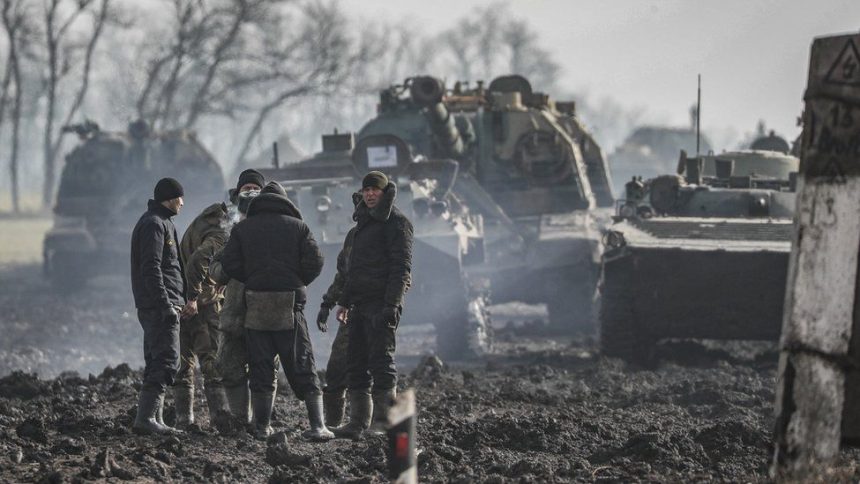
In recent months, escalating tensions between the West and Russia have intensified debates about the possibility of military conflict. From heightened military maneuvers near the borders of Eastern Europe to the relentless rhetoric exchanged in political forums, the specter of war looms larger than ever. As geopolitical experts warn of an increasingly volatile situation, citizens around the globe are left grappling with a daunting question: Are we on the brink of war with Russia?
This article explores the underlying factors contributing to the current tensions, the responses from world leaders, and the potential implications of a confrontation with one of the world’s most formidable military powers. With the stakes higher than ever, understanding the dynamics at play is crucial for anticipating the future of international relations.
Table of Contents
- Escalating Tensions: Analyzing Current Geopolitical Dynamics with Russia
- The Role of NATO: Collective Defense and Its Implications for Europe
- Understanding Economic Sanctions: Tools for Deterrence or Path to Conflict?
- Engaging Diplomacy: Strategies for De-escalation and Long-Term Stability
- Q&A
- The Conclusion
Escalating Tensions: Analyzing Current Geopolitical Dynamics with Russia
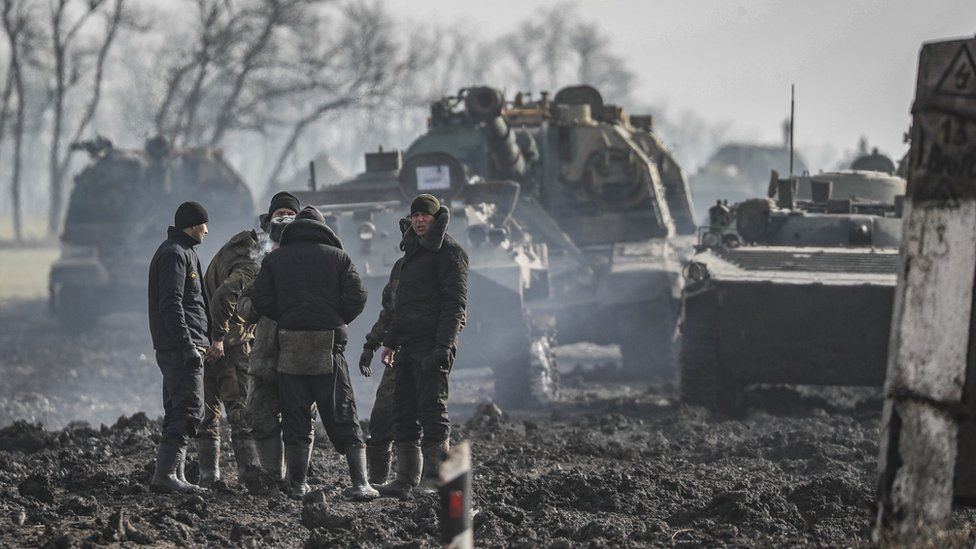
- Military Build-up: Increased troop deployments along borders and in key strategic areas.
- Cyber Operations: Ongoing cyberattacks attributed to Russian entities disrupting infrastructure and government systems.
- Resource Competition: Efforts to control energy supplies and access to critical materials.
As dialogue remains fraught with suspicion, the specter of military conflict looms larger. Diplomatic efforts to mitigate these tensions are complicated by domestic pressures within various nations to project strength and resolve. Various global leaders are left weighing options that could either defuse the situation or inadvertently escalate hostilities. To better understand the current state of affairs, the following table outlines major incidents that have heightened the atmosphere of distrust:
| Date | Incident | Impact |
|---|---|---|
| February 2023 | Increased military exercises | Heightened regional alert |
| March 2023 | Cyberattack on critical infrastructure | Loss of data, public distrust |
| April 2023 | Sanction imposition | Strained economic ties |
The Role of NATO: Collective Defense and Its Implications for Europe
The North Atlantic Treaty Organization (NATO) serves as the bedrock of collective defense for its member states, particularly in Europe, where security dynamics have been rapidly evolving. As tensions escalate between NATO members and Russia, the implications of this alliance become even more salient. Collective defense enshrined in Article 5 of the NATO treaty emphasizes that an attack against one ally is perceived as an attack against all, reinforcing a united front. This principle not only serves as a deterrent against potential aggressions but also fosters a sense of solidarity among member nations, bolstering military readiness and political cohesion against external threats.
The potential ramifications of NATO’s collective defense strategy extend beyond mere military preparedness. Key implications include:
- Increased Defense Budgets: Countries may allocate more resources to enhance their military capabilities.
- Military Exercises: Regular joint exercises among member states improve operational readiness and strengthen alliances.
- Heightened Diplomatic Engagements: Ongoing dialogues aim to mitigate tensions and establish strategic partnerships with non-member states.
Given the precarious geopolitical climate, the commitment to a united NATO response resonates across Europe, raising questions about the sustainability of peace and whether the alliance can sufficiently deter adversarial states like Russia from further military assertions.
Understanding Economic Sanctions: Tools for Deterrence or Path to Conflict?
Economic sanctions serve as a pivotal mechanism for countries aiming to influence the behavior of nations such as Russia, often employed as a diplomatic tool rather than a precursor to military conflict. By limiting trade, restricting access to financial markets, and targeting key industries, sanctions seek to compel compliance without resorting to armed confrontation. Historically, economic sanctions have had mixed results, sometimes leading to negotiation but other times inciting further aggression. The effectiveness of these measures hinges on their design and the resilience of the targeted nation’s economy. Some argue that sanctions can strain relationships to the point of conflict, while others maintain that they provide a necessary pause to allow room for dialogue.
As global tensions escalate, it is essential to recognize the complexities of imposing sanctions on Russia. Key factors to consider include:
- The Specificity of Targets: Sanctions aimed at individuals or certain sectors may mitigate broader economic harm.
- Plausibility of Evasion: Countries like Russia may seek alternative markets or partnerships to circumvent restrictions.
- Domestic Impact: The backlash from sanctions can lead to internal unrest or foster nationalist sentiments.
Determining whether sanctions can indeed prevent a military conflict or unintentionally exacerbate tensions requires careful analysis of historical precedents. A balanced approach that weighs the potential deterrent effects of sanctions against the risks of escalation is pivotal for policymakers navigating the tumultuous landscape of international relations.
Engaging Diplomacy: Strategies for De-escalation and Long-Term Stability
In the face of rising tensions, effective diplomacy becomes paramount in preventing conflict escalation and fostering long-term peace. Engaging in constructive dialogue with Russia requires a multifaceted approach that emphasizes mutual interests and understanding. Key strategies include:
- Open Communication Channels: Establishing direct lines of communication can help mitigate misunderstandings and facilitate real-time dialogue during crises.
- Confidence-Building Measures: Initiatives such as arms control agreements and joint humanitarian efforts can reduce anxieties and encourage cooperation.
- Involvement of Third Parties: Utilizing neutral mediators can provide fresh perspectives and help navigate complex negotiations.
Furthermore, fostering economic interdependence can act as a deterrent against conflict, as nations with strong trade ties are less likely to engage in war. This can be achieved through:
| Approach | Description |
|---|---|
| Trade Agreements | Creating favorable conditions for trade can benefit both economies and enhance relations. |
| Cultural Exchanges | Promoting people-to-people connections increases mutual understanding and respect. |
| Joint Ventures | Encouraging collaborations in sectors like energy and technology fosters reliance on one another. |
Q&A
Q&A: Are We Going to War with Russia?
Q: What recent events have heightened tensions between the U.S. and Russia?
A: Tensions have escalated due to several factors, including Russia’s military buildup along the Ukrainian border, ongoing conflicts in Ukraine, and heightened rhetoric from both Washington and Moscow. Joint military exercises by Russia and its allies, along with sanctions imposed by the West, have further strained relations.
Q: What is the U.S. government’s position regarding a potential conflict with Russia?
A: The U.S. government has reiterated its commitment to supporting Ukraine and maintaining NATO’s collective defense posture. Officials have expressed concerns about Russian aggression, stating that while diplomatic solutions are preferred, the military option remains on the table if security in Europe is threatened.
Q: How has NATO responded to the situation?
A: NATO has enhanced its eastern flank by deploying additional troops and military assets to member countries bordering Russia. The alliance has held emergency meetings to discuss defensive strategies and has urged member states to bolster their military readiness.
Q: What are the potential consequences of a war with Russia?
A: A war with Russia could have catastrophic consequences, not only for the countries directly involved but also for global stability. Potential outcomes include significant loss of life, humanitarian crises, economic repercussions, and the risk of escalation into a larger, possibly nuclear conflict.
Q: Are there diplomatic efforts underway to mitigate the situation?
A: Yes, diplomatic channels remain open, with ongoing discussions among U.S., European, and Russian officials aimed at de-escalation. Recent talks have focused on arms control, mutual security concerns, and potential avenues for a negotiated settlement to ease tensions.
Q: How does public opinion in the U.S. reflect the situation?
A: Public opinion appears divided, with some Americans supporting a strong stance against Russian aggression, while others are wary of military involvement. Polls indicate a substantial preference for diplomatic solutions over military intervention, highlighting concerns about the potential human and economic toll of war.
Q: What should we be monitoring in the coming weeks and months?
A: Analysts advise monitoring troop movements along the Ukrainian border, statements from both U.S. and Russian leaders, and NATO’s response to any aggressive actions by Russia. Additionally, keep an eye on the outcomes of diplomatic negotiations and any changes in military readiness or alliances within Europe.
This Q&A format aims to provide readers with a comprehensive yet concise overview of the current state of affairs regarding potential conflict with Russia, employing a straightforward journalistic tone. If you need further adjustments or additional questions, feel free to ask!
The Conclusion
As tensions between the West and Russia continue to escalate, the question of whether we are on the brink of war grows increasingly urgent. While diplomatic efforts are ongoing, and both sides have expressed a desire to avoid open conflict, the situation remains volatile. Analysts warn that misunderstandings, miscalculations, or provocations could quickly spiral out of control, leading to a confrontation that neither side truly wants.
In this complex geopolitical landscape, it is crucial for policymakers and citizens alike to remain informed and engaged. The ramifications of a potential conflict with Russia would extend far beyond the borders of Europe, affecting global stability, economic markets, and international relations for years to come. As we navigate this precarious moment in history, the importance of dialogue and diplomacy cannot be overstated.
With the world watching, the coming weeks and months will be critical in determining whether we can avoid war or whether we will become enveloped in a conflict that could reshape the global order. The stakes have never been higher, and the path ahead remains uncertain.


