


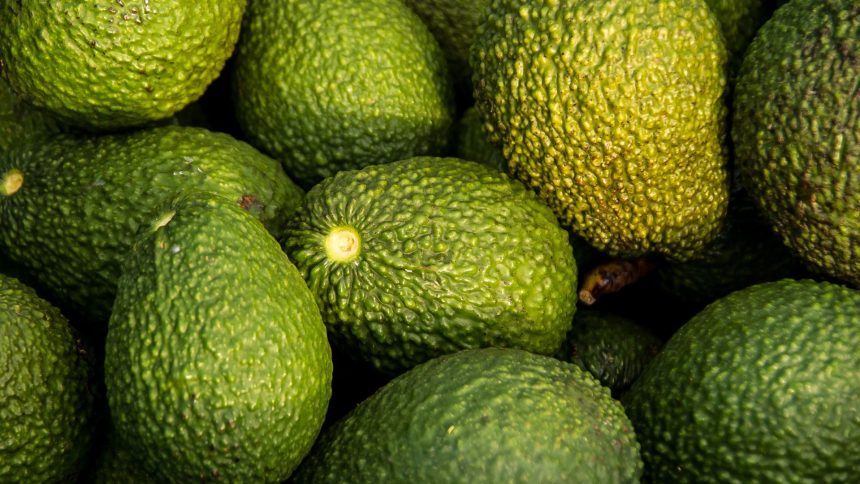
In the verdant valleys of Mexico, where the sun-drenched landscapes cradle the beloved avocado tree, a quiet yet alarming crisis unfolds beneath the emerald canopy. The insatiable global appetite for avocados has spurred a booming industry that promises prosperity but also casts a long shadow over the environment. As U.S. companies stake their claim in the lucrative avocado market, evidence emerges linking their activities to a growing deforestation crisis in Mexico.
In this article, we delve into the complex intersection of agricultural expansion, environmental degradation, and corporate responsibility, exploring how the “Avocado Gold Rush” is reshaping both the economy and ecology of one of the world’s foremost avocado-producing nations. Join us as we uncover the layers of this multifaceted issue, seeking to understand not just the drive for profit, but the profound implications for land, wildlife, and communities caught in the middle of this green frenzy.
The Hidden Cost of Avocado: Understanding the Deforestation Crisis in Mexico
Despite the widespread love for avocado, the delicious green fruit has a darker side. The increasing demand, particularly for Hass avocados in the United States, reflects in a plethora of ecological concerns in Mexico, including seasoning, logging disputes, and complex socio-economic issues. However, what topples the list is an alarming rate of deforestation.
Avocado plantations are mowing down pine forests in Michoacán, the largest avocado producing region. Some US companies have been linked to this crisis. The lust for “green gold” takes a toll on the ecosystem, where 1,700 hectares of forestland become avocado orchards every year. The ecological cost of an avocado craving is high; each hectare of avocado plantations guzzles twice the amount of water compared to fairly dense woods. Smart consumers must realize the necessity to cut consumption or demand sustainable cultivation methods.
- Water Usage: Avocados require 2,000 liters of water per kilogram, while a forest requires half of this.
- Land Usage: Every year, 1,700 hectares of forestland is converted into avocado orchards in Mexico.
- Ecological Impact: Intense avocado farming leads to soil erosion and disrupts wildlife habitats.
| Company | Hectares Affected |
|---|---|
| Company A | 150 |
| Company B | 200 |
| Company C | 120 |
These US companies linked to deforestation speak volumes about the lust for avocado. It may be time for consumers to question their love for this “green gold“ and make informed choices. Unfortunately, the cost of an avocado is not just the price tag; it is the detrimental impact on the forests of Mexico and, ultimately, on the planet. The appetite for avocados needs to be fused with responsibility since it may be causing more harm than good.
Corporate Responsibility in the Green Gold Market: Key Players and Their Impact
In recent years, the demand for avocados has surged globally, bolstering what some now refer to as the “green gold” market. The U.S, being the biggest consumer, has several companies involved in the sourcing and selling of these avocados. However, these industries’ rapid growth raises alarming concerns over the deforestation in Mexico, the world’s largest avocado producer. Unsustainable farming practices to meet the insatiable demand are devastating natural habitats and contributing to climate change.
The key players in the U.S avocado market, like Calavo Growers, Mission Produce, and West Pak Avocado, have a significant role in shaping the industry’s sustainable practices. These companies’ purchasing policies could either incentivize sustainable farming and fair trade or exacerbate environmental and social problems. Thus, corporate responsibility in the green gold market demands these companies to scrutinize their supply chains, ensure their sources employ eco-friendly farming techniques, and take active measures in preserving the environment.
| Company | Action Taken |
|---|---|
| Calavo Growers | Engaging in partnerships for sustainable farming |
| Mission Produce | Implementing rigorous supplier assessment policies |
| West Pak Avocado | Investing in local communities and educational programs |
Despite the steps taken, more needs to be done against the clocks of climate change and social inequality. Enlightened consumers are increasingly paying attention, factoring in environmental and social impacts in their purchasing decisions. The avocado gold rush presents opportunities for responsible practices to take root and grow, shaping the future of the green gold market towards sustainability and ethical trade.
Sustainable Practices: A Path Forward for US Companies in the Avocado Supply Chain
The avocado boom in the United States has been linked to a deforestation crisis in Mexico. This delicious fruit, which forms an integral part of the American diet, is causing havoc in the green forests of Mexico due to its high demand. In the quest for profit, many US companies have turned a blind eye towards the unsustainable practices in the avocado supply chain. But it’s time to wake up and take action.
The Impact: Mexico, the world’s largest producer of avocados, has seen a surge in deforestation. This green gold has led to illegal plantation of avocado crops on forest land which has had a harmful impact on the biodiversity in the region.
- Cut down on forest area: Illegal avocado plantations have gobbled up over 20,000 acres of forest in Michoacan, Mexico’s key producing state.
- Effect on water resources: Avocado trees need twice the amount of water as compared to the indigenous evergreen oaks.
- Polluting natural resources: The heavy use of fertilizers and pesticides for avocado crops contaminates the soil and water resources.
Time for Change: Recognizing the gravity of the situation, it’s time for US companies to re-evaluate their supply chain practices. Opting for sustainable practices not only protects the environment, but also ensures long-term business continuity.
- Transparency: Gain visibility across the supply chain, and ensure suppliers adhere to sustainable practices.
- Direct trade: Collaborate directly with farmers and incentivize them to follow sustainable farming methods.
- Regulation: Advocate for strict regulations against illegal plantations.
| Recommended Sustainable Practices |
|---|
| Promote organic avocado farming methods |
| Sponsor afforestation initiatives in deforestation hit areas |
| Encourage alternative, lesser demanding crops in non-peak avocado seasons |
Thus, the responsibility lies with US companies to determine the path forward. By adopting sustainable supply chain management practices, they not only have the power to mitigate the damage, but more importantly, ensure the survival and success of both the avocados and the forests that bring them to our tables.
Empowering Local Communities: Solutions for Biodiversity and Economic Viability
The mounting craze of avocados in the US has had an unforeseen impact on the local communities and biodiversity of Mexico. Regrettably, this so-called Avocado Gold Rush has a dark side. US companies’ insatiable demand for avocados is linked to a precipitous rise in deforestation and violence in the Mexican state of Michoacán, the heartland of global avocado production. This dire environmental and social crisis calls for sustainable solutions, that not only preserve biodiversity but also ensure economic viability for local Mexican communities.
Addressing issues related to rampant deforestation, promoting sustainable farming practices and supporting fair-trade, can empower local communities, create genuine economic opportunities and help protect biodiversity. Here are a few potential steps:
- Encourage sustainable farming: Companies can endorse forestry stewardship to develop sustainable avocado farming, helping reduce the deforestation rate.
- Provide fair-trade support: Fair-trade accreditation ensures that avocado farmers in Mexico receive a fair price for their produce and that the avocados are grown sustainably.
- Implement clean technology: Investing in clean technology for irrigation and farming can reduce the strain on natural resources in avocado-growing regions.
Here is an overview of the impact of the Avocado Gold Rush (all figures are averages):
| Action | Environmental Impact | Economic Impact |
|---|---|---|
| Deforestation for Avocado farming | High | High Returns, unstable long-term income |
| Sustainable farming practices | Protected biodiversity and reduced carbon emissions | Stable Income |
| Fair-Trade Support | Lowered environmental stress | Increased local wages and improved living conditions |
| Clean Technology Integration | Reduced water and soil pollution | Increased productivity, long-term financial viability |
Invoking these impactful changes will support the creation of a driven, dedicated, and sustainable avocado industry, which empowers local communities, while protecting the region’s precious biodiversity.
Concluding Remarks
In the swirling currents of globalization, the quest for the perfect avocado has taken a troubling turn. As consumers crave the creamy green delight, a hidden crisis emerges — one where the lush landscapes of Mexico are being reshaped, literally and metaphorically, by deforestation driven by agricultural expansion. The “Avocado Gold Rush” not only highlights the intricate connections between US companies and environmental degradation but also serves as a reminder of the delicate balance between demand and sustainability.
As we further explore this intricate web, it becomes clear that our choices resonate far beyond the grocery aisle, impacting ecosystems, communities, and the future of our planet. The challenge ahead lies in redefining this appetite for avocados, fostering a market that values environmental responsibility alongside culinary enjoyment. the journey to a more sustainable future may just hinge on how we engage with the natural world — one avocado at a time.


