


As the sun rises over Minnesota’s rolling hills and shimmering lakes, a new dawn in climate policy illuminates the path toward a greener future. The Biden-Harris Climate Law, a landmark piece of legislation aimed at combating climate change and fostering sustainable practices, has ignited a wave of innovation and investment across the state. Minnesota, renowned for its rich natural resources and environmental stewardship, now finds itself poised at the forefront of a renewable energy revolution.
In this article, we will explore how the provisions of the climate law have catalyzed a flourishing green economy, transforming everything from agriculture to energy infrastructure and positioning Minnesota as a beacon of hope in the broader fight against climate change. Join us as we delve into the stories of communities, businesses, and individuals harnessing this momentum to build a more sustainable future for generations to come.
Biden-Harris Climate Law Fosters Renewable Energy Growth in Minnesota
With the enactment of the Biden-Harris Climate Law, the Land of 10,000 Lakes has been soaked in a verdant surge, tapping into an extensive array of renewable energy potentials. From solar installations dancing on the lakes to wind turbines waltzing in the prairie, Minnesota is swiftly marking its territory in the renewable energy landscape. The law has spurred not merely the augmentation of the clean energy sector but the creation of several green jobs, whisking the state towards a vibrant, sustainable economy.
Solar energy projects are soaring at an unprecedented rate across the state. Minnesota’s Solar Reward Program, fired up by the federal incentives, has invigorated homeowners and businesses alike to harness the power of the sun. The program avails generous rebates encouraging the installation of solar panels, illuminating the path towards energy self-sufficiency.
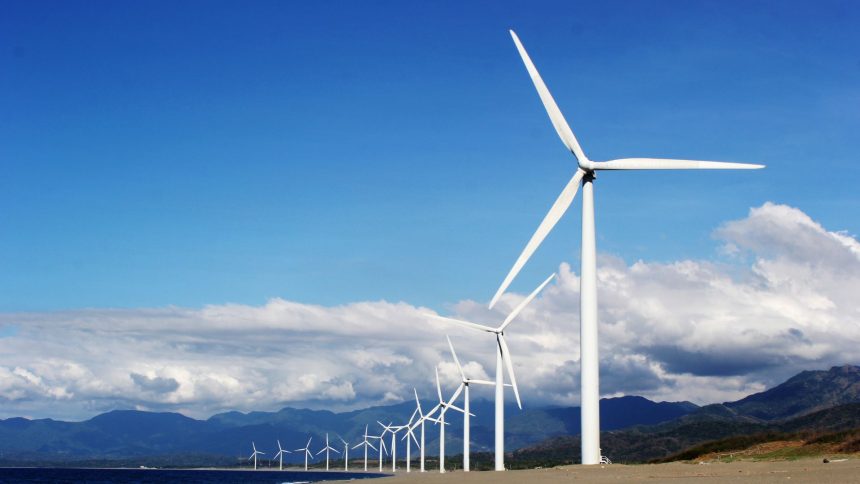
The wind energy sector, in tandem, is experiencing robust growth. The gales sweeping across the prairie heartland are being put to efficient use, making Minnesota one of the top wind energy producers nationwide. Moreover, it doesn’t stop at reaping renewable energy alone. The wind sector has materialized as the torchbearer of job creation and local tax revenue, perpetuating a circle of sustainable growth.
| Renewable Energy Source | Benefits |
|---|---|
| Solar Power | Energy self-sufficiency, substantial savings over time, and reduction of carbon footprint |
| Wind Power | Job creation, local tax revenue, and sustainable growth |
The Biden-Harris Climate Law has indeed set an impetus for a green bonanza in Minnesota. And as this fertile phase sustains, it fosters a promise of a brighter, greener future that’s not just confined within the state’s borders but spreads across the nation.
Economic Opportunities Arising from Green Investments in the State
With the recent approval of the Biden-Harris Climate Law, there’s a boom in green investments across the United States. Minnesota, in particular, stands out. The emphasis on sustainable energy and eco-friendly practices has opened up unprecedented economic possibilities in the state. From the great Lake Superior to the thriving urban centers, a green revolution is underway.
The law provides funding and subsidies for enterprises that are making efforts towards reducing carbon emissions. For instance, initiatives like solar panel installation, wind turbine farms, and electric vehicle manufacturing have seen a significant increase. The law also encourages businesses to transition their operations towards green alternatives, leading to job creation and economic growth.
- Solar energy companies are absorbing investment dollars, triggering a solar power revolution in households and businesses alike.
- Wind energy, specifically wind turbine farms, are experiencing significant growth, making Minnesota a leading example in this sector.
- Electric vehicle (EVs) manufacturing companies have shown a surge, promising a future less dependent on fossil fuels.
| Industry | Investment increase (%) |
|---|---|
| Solar Energy | 20% |
| Wind Energy | 15% |
| Electric Vehicles | 25% |
The table above represents the dramatic increase in green investments in these sectors, further bolstering Minnesota’s economic fortitude. An influx of green investments indicates not only a positive sign for climate change mitigation, but also a recipe for long-term sustainable growth.
Local Governments Leading the Charge for Sustainable Practices
Following the introduction of the Biden-Harris climate law, a wealth of sustainability initiatives are taking shape across Minnesota. From Rochester to Minneapolis, local governments are championing green practices, with citizens and businesses feeling the benefits. The legislation’s goal of awarding $1.9 trillion towards sustainable practices has proven to be a catalyst for innovative, eco-friendly implementations.
Local governments are introducing a range of measures to help meet the national pledge of reducing carbon emissions by 50% by 2030. These initiatives include:
- Retrofitting buildings: Climate-friendly renovations, such as improved insulation, lighting upgrades, and the installation of energy-saving appliances, are being rolled out. This reduces energy costs and minimizes waste, contributing to a sustainable future.
- Transitioning to renewable energy sources: Many cities are displaying a robust commitment to wind, solar, and hydropower, with renewable energy increasingly powering local infrastructures.
- Encouraging green transportation: With initiatives such as expanding bike lanes, enhancing public transport, and setting up electric vehicle charging stations, these governments are helping to reduce the carbon footprint associated with daily travel.
| City | Initiative | Outcome |
|---|---|---|
| Minneapolis | Installation of solar panels on municipal buildings | Reduced reliance on fossil fuels by 15% |
| Rochester | Green building codes for commercial properties | Energy efficiency improved by 20% |
| Saint Paul | Bike lane expansion and car-share programs | 12% increase in daily cyclists, 5% drop in single-occupancy car use |
The Biden-Harris climate law has clearly ignited a green bonanza in Minnesota. The impact of these local, collaborative efforts will undeniably be significant in driving the US towards a greener, more sustainable future.
Strategies for Community Engagement in Minnesotas Green Transition
The landmark Biden-Harris climate legislation has sparked a green economic explosion in Minnesota – financially, socially, and environmentally. It has created an opportunity for community involvement and engagement towards a sustainable future. Part of this green transition involves community solar energy projects and energy efficiency programs.
Here are some strategies for effective community engagement:
- Education: Launch an education awareness campaign to explain the benefits of green energy, such as solar and wind, and energy-efficiency measures. Public seminars, workshops, and school programs are among the tools that may be used.
- Public Participation: Encourage citizens to participate in public decision-making processes related to green project proposals. Hold town hall meetings in order to get community feedback on these proposals.
- Partnerships: Develop partnerships with local businesses, schools, and non-profit organizations in order to access resources, attract investments, and expedite the green transition.
As for measurements of the green transition’s economic impact in the region, one can refer to the table below:
| Green Measures | Economic Impact |
|---|---|
| Community Solar Projects | $200 million investment |
| Energy Efficiency Programs | Saved $1.5 billion, created over 50,000 jobs |
This burgeoning green economy is not only a boon to Minnesota’s economic development, but also an efficient step towards environmental sustainability. By adopting these community engagement strategies, we can inspire more Minnesotans to actively participate in this green transition – ultimately creating a more sustainable and prosperous future for all.
In Summary
In closing, the “Biden-Harris Climate Law” is proving to be a transformative force in Minnesota, igniting a green revolution that captures both the urgency and promise of our times. From expanded solar farms to innovative energy initiatives, the law not only positions the state at the forefront of the climate movement but also paves the way for economic revitalization and job creation. As communities band together to embrace a more sustainable future, the ripple effects of this legislative action will be felt for generations to come.
While challenges remain, the momentum towards a greener economy has never been stronger. Minnesota stands as a testament to the power of policy in driving change—an encouraging reminder that when vision and action align, the path to a cleaner, healthier planet is indeed attainable.


