


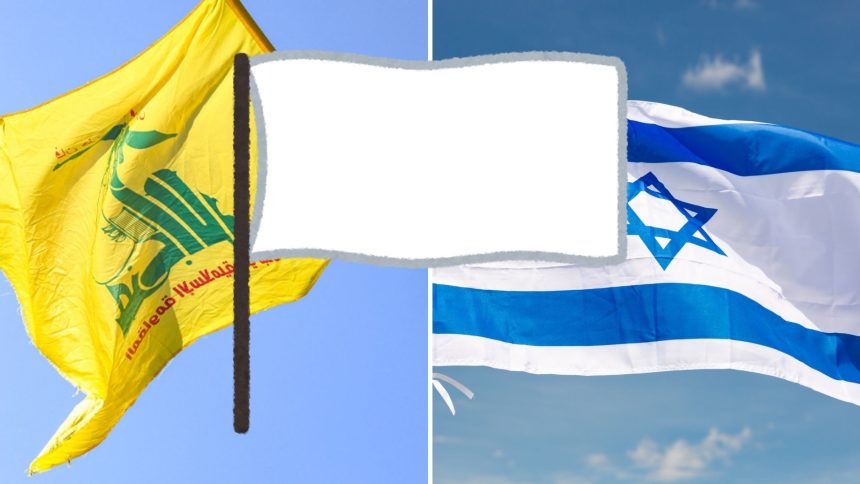
In a region marked by centuries of tension and turmoil, a flicker of hope emerges as Hezbollah and Israel tentatively embrace a ceasefire. This fragile truce, born from the urgent desire for stability amid an ongoing cycle of conflict, raises questions about what this moment might signify for both parties and the broader specter of peace in the Middle East.
As the world watches closely, this pause in hostilities provides a rare opportunity to reflect on the complexities of a conflict that has so deeply shaped the lives of millions. In this article, we will explore the implications of this ceasefire, its potential to reshape the narrative of violence, and what lies ahead on the rocky path towards enduring reconciliation.
Exploring the Fragile Peace: Understanding the Ceasefire Dynamics
The fragile balance of peace in the Middle East was recently highlighted by an agreement reached between Hezbollah and Israel. Amid the rapid-fire news cycle of ongoing conflicts in the region, the ceasefire agreement struck by these two key players has provided a glimmer of hope. Tracing back from years of hostilities, this sudden shift in dynamics is viewed by experts as a testament to the potential for dialogue and negotiation, even in periods of intense conflict.
It is, however, important to slice further into the intricacies of this ceasefire. Several factors significantly influenced the decision of both parties to halt hostilities.
- Economic considerations: Both Hezbollah and Israel have recognised the crippling economic impact of prolonged conflict. A break from hostilities allows both countries to focus resources on national rebuilding and rehabilitation.
- International Pressure: Escalating concern from the international community has also been a pressing factor. International bodies have been lobbying for ceasefire, eager to steer the situation towards a resolution.
- Shift in strategies: Both parties have intricately woven new strategies centered around negotiations and peace-talks, deciding to opt for a diplomatic route over military action.
| Key Players | Conflict Duration | Ceasefire Date |
|---|---|---|
| Hezbollah and Israel | Decades | 2022 |
Indeed, every ceasefire brings with it a unique set of dynamics, considerations and implications. The Hezbollah-Israel ceasefire is no exception. Through a lens of cautious optimism, this agreement serves as a beacon of hope illuminating that even in the bleak darkness of conflict, negotiations and agreements are indeed viable pathways to peace.
The Humanitarian Perspective: Impacts on Civilians in Conflict Zones
There’s an old saying that in war, truth is the first casualty. And yet, the stories of the civilian victims of Hezbollah-Israel conflict continue to leak out, giving us brief but potent insights into their fraught realities. On one side of the coin, there are the physical impacts – deaths, injuries and displaced communities as a result of ongoing conflict. On the other side, there are the emotional and psychological traumas, often overlooked but just as potent. The story doesn’t end here though, the humanitarian cost of conflict is chronic and profound. As roads, schools, hospitals, and entire economies are decimated, the seeds of future conflict and hardship are sown.
Recent developments inspire optimism amidst the tragic tales. The ceasefire between Hezbollah and Israel offers a rare glimmer of hope for civilians caught in the middle. While the respite may be temporary, it at least provides a chance for humanitarian aid to reach those who need it most. The ceasefire shows that diplomatic discourse can pave the way, albeit slowly, towards an eventual resolution. Let’s take a deeper delve into the subject:
- Aid and Access: Ceasefires create critical windows of opportunity for delivering humanitarian aid. They facilitate the safe passage of relief workers, supplies, and equipment into areas that are otherwise inaccessible.
- Psychological Relief: Even a short break from violence can have significant benefits. It provides respite and psychological relief to conflict-affected civilians, allowing them to regain a sense of control over their lives.
- Rebuilding Infrastructure : Ceasefires provide crucial time needed to fix public facilities and utilities such as water, sanitation, health, and education facilities.
- Sowing Seeds for Peace: Ceasefires, even temporary ones, can create momentum for peace processes, improving confidence and giving warring factions the impetus to negotiate.
In the name of humanity, peace processes, such as the ceasefire between Hezbollah and Israel, must be encouraged and supported at all levels. They are not just diplomatic tools aimed at ending conflict, they are life-saving interventions that bear directly on the well-being of civilians caught up in conflict zones. War invariably inflicts the greatest cost on those who have the least culpacity in its cause – the innocent civilians. The humanity of all people demands we strive for peace.
Diplomatic Pathways: Opportunities for Sustainable Resolution
Amidst the turmoil of the Middle East conflict, a rare moment of tranquility has presented itself with the announcement of a ceasefire between Hezbollah and Israel. This development, a welcome break in an otherwise unyielding series of hostilities, shines a light on the potential for diplomatic pathways spearheading resolutions for sustainable peace. It is this potential for dialogue and understanding that brings hope, however fleeting, to those bearing the brunt of this conflict.
- Building Bridges: This ceasefire offers an opportunity for both parties to build bridges, mend fraying relations and establish a formal communication channel that could potentially deter future misunderstandings and conflict.
- Reconstruction and Rehabilitation: The lull in hostility also provides a window for much-needed reconstruction, both physical and social, in conflict-ridden areas.
- Economic Revitalization: With the ceasefire in place, regular economic activities can resume, breathing life into the markets and stabilizing regional economies.
| Factor | Potential Impact |
|---|---|
| Three Month Ceasefire | Temporary relief for citizens and chance for rebuilding infrastructure |
| Mutual Dialogue | Possibility for better understanding, dispute resolution and less hostility |
| Economic Revitalization | Resumption of trade, stabilization of local economies and an improved standard of living for people |
Engaging Stakeholders: Recommendations for International Involvement
The recent ceasefire between Hezbollah and Israel has illuminated the importance of engaging international involvement to ensure stable and lasting peace. As this conflict has global implications, active participation from superpowers such as the United States, Russia, China, and the European Union can lead to effective negotiations. While these powers have a critical role to play, regional bodies such as the Arab League and the Association of Southeast Asian Nations (ASEAN) are equally vital, guiding conflict resolution based on a deep understanding of cultural context and intraregional relations.
In the call for international engagement, several factors towards Hezbollah-Israel conflict come into play. Here, we articulate some important recommendations for a more collaborative approach:
- Constant Diplomacy: Frequent dialogues among involved parties can prevent misunderstandings and mitigate hostilities.
- Impartial Mediation: Neutral entities should facilitate talks to avoid any biases, promoting transparency and trust.
- Efforts to Address Root Causes: Efforts should be made to understand and address the cause of conflicts, reducing chances of recurrence.
| International Body | Role |
|---|---|
| United Nations | Moderated dialogue and peacekeeping operations |
| The European Union | Funding and humanitarian aid |
| Arab League | Regional negotiation and conflict resolution |
In sum, combined global efforts towards peaceful resolutions are more meaningful and effective. It takes sustained efforts from numerous entities, beyond the immediate conflicting parties, to co-create a harmonious future.
In Retrospect
As the smoke begins to clear and the echoes of gunfire fade, the recently brokered ceasefire between Hezbollah and Israel stands as a fragile beacon of hope in a region long beset by strife. While this temporary lull in hostilities may not resolve the deep-seated issues that have fueled this decades-long conflict, it offers a precious opportunity for dialogue and understanding. Communities once torn apart by violence now have a chance to breathe, to reflect, and to envision a future where peace is not merely the absence of war, but a foundation for growth and reconciliation.
However, as we cautiously approach this moment of respite, it is imperative that both sides recognize the importance of sustained efforts toward lasting solutions. The challenges ahead are formidable, requiring more than just a ceasefire; they demand a commitment to address the underlying grievances that have shaped their interactions. In this light, the current pause in hostilities serves not only as a cessation of conflict but as a pivotal moment to explore pathways toward dialogue.
In the coming days, weeks, and months, the world will watch intently as this new chapter unfolds. Will it mark the beginning of a more peaceful era, or will the cycle of conflict resume once more? Only time will tell. Yet for now, the ceasefire provides a glimmer of hope—a reminder that even in the darkest of times, the possibility for understanding and healing remains. As we hold our breath, we must also extend our support to those working on the ground for peace, encouraging conversations that promise not just an end to conflict, but a bright horizon for all who call this region home.


