


In a escalating diplomatic spat, China has condemned the recent enactment of a controversial U.S. law aimed at restricting imports from its Xinjiang region, a move that Washington argues is necessary to combat human rights abuses linked to forced labor. The law, which requires American companies to prove that their goods are free from the taint of coercive labor practices, has drawn sharp rebukes from Beijing, which maintains that such accusations are unfounded and politically motivated.
The tension surrounding the law highlights the growing chasm between the two global powers over issues of human rights, trade, and regional security, raising concerns about the implications for international relations and global supply chains. As both nations navigate this fraught terrain, the fallout from the legislation underscores the complexities of engaging in a highly interconnected world where economic interests often clash with ethical considerations.
Table of Contents
- Chinas Strong Rebuttal to US Legislation on Xinjiang Imports
- The Impact of US Law on Global Supply Chains and Trade Relations
- Human Rights vs. Economic Policy: A Deep Dive into the Xinjiang Controversy
- Recommendations for Navigating Bilateral Tensions and Ensuring Fair Trade Practices
- Q&A
- The Conclusion
Chinas Strong Rebuttal to US Legislation on Xinjiang Imports
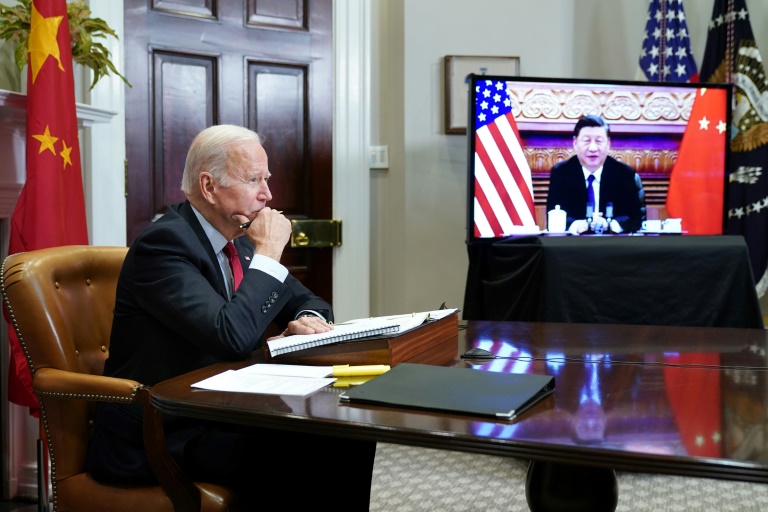
In a recent statement, Chinese officials have fiercely criticized the United States for its newly enacted legislation aimed at banning imports from Xinjiang, arguing that the law is based on misleading narratives and unfounded accusations. The Chinese government has emphasized that these allegations regarding forced labor and human rights violations lack substantial evidence and instead reflect a deeper political agenda. According to a spokesperson for the Chinese Foreign Ministry, the U.S. is leveraging these claims as a weapon to undermine China’s stability and economic development.
Beijing’s response includes several key points aimed at countering U.S. claims:
- Economic Cooperation: The Chinese government asserts that the Xinjiang region has seen significant development and economic growth, benefiting both local residents and broader supply chains.
- Human Rights Progress: Officials argue that the rights of all ethnic groups in Xinjiang are respected and protected, highlighting ongoing efforts to improve living standards.
- International Relations: China calls for a focus on constructive dialogue rather than unilateral sanctions that could disrupt global trade.
| US Claims | China’s Rebuttal |
|---|---|
| Forced labor in Xinjiang | No evidence, development projects improving lives |
| Human rights violations | Respect for rights of all ethnic groups emphasized |
| Unilateral sanctions | Call for dialogue and cooperation |
The Impact of US Law on Global Supply Chains and Trade Relations
In recent developments, China has officially condemned the new U.S. legislation aimed at restricting imports from the Xinjiang region, citing allegations of forced labor and human rights abuses. This law, which demands strict compliance and verification of supply chains, represents a significant shift in U.S. trade policy with far-reaching implications for global commerce. As companies worldwide scramble to reassess their sourcing strategies, the ripple effects are felt not only in U.S.-China relations but also in the broader landscape of international trade. The uncertainty surrounding compliance measures could lead to businesses reconsidering their investments in the region.
The enactment of this law highlights the increasing interplay between domestic policies and international trade dynamics. As nations reevaluate their dependencies on specific suppliers, the following trends may emerge:
- Widespread supply chain diversification away from China.
- Increased scrutiny of human rights records in other trading partners.
- Potential for new trade alliances as countries align on ethical sourcing.
Additionally, some U.S. companies may face significant economic risks arising from:
- Disruption in established supply networks.
- Higher costs due to compliance audits and alternative sourcing.
- Public backlash over perceived complicity in human rights abuses.
Human Rights vs. Economic Policy: A Deep Dive into the Xinjiang Controversy
The recent remarks from Beijing in response to U.S. legislation aimed at restricting imports from Xinjiang reflect a deeper conflict between human rights advocacy and economic strategies. The U.S. law, which prohibits goods made with forced labor from entering the American market, has ignited fierce discussions about the treatment of Uyghur Muslims and other ethnic minorities in the region. According to Chinese officials, this legislation not only misrepresents the socio-economic conditions in Xinjiang but also threatens to sever economic ties that are crucial for global supply chains. They argue that claims of forced labor are politically motivated and undermine the legitimate efforts China has made to uplift the region economically.
In light of these tensions, several key issues need to be addressed regarding the implications of economic policies shaped by human rights considerations. The following points encapsulate the complexities involved:
- Geopolitical Tensions: U.S. sanctions can exacerbate existing geopolitical rivalries.
- Supply Chain Integrity: Brands may face scrutiny over sourcing practices, affecting their market positions.
- Ethical Consumerism: Growing consumer awareness may push companies to reevaluate their supply chain ethics.
- Humanitarian Impact: The repercussions of economic policies on the local population must be critically assessed.
| Aspect | U.S. Position | China’s Response |
|---|---|---|
| Human Rights | Mandatory compliance and oversight | Accusation of interference |
| Economic Sanctions | Impose tariffs and restrictions | Calls for fair trade practices |
| Global Relations | Strengthening alliances for advocacy | Promoting bilateral trade agreements |
Recommendations for Navigating Bilateral Tensions and Ensuring Fair Trade Practices
As the geopolitical landscape continues to unfold, navigating the complexities of bilateral relations, especially between the United States and China, requires a multifaceted approach. Policymakers must consider the implications of laws affecting trade practices and human rights concerns, ensuring that diplomatic dialogues remain open. To counteract rising tensions, countries should engage in constructive conversations that emphasize mutual understanding and respect. Collaboration on international platforms can provide an avenue for establishing common ground, with an emphasis on transparent communication. Key recommendations include:
- Establishing Bilateral Committees: Create dedicated task forces to address trade disputes and human rights concerns face-to-face.
- Promoting Cultural Exchanges: Facilitate programs that foster understanding between citizens of both nations, which can help demystify each other’s cultures and values.
- Encouraging Third-party Mediation: Leverage international organizations to mediate discussions and resolve conflicts amicably.
As trade practices evolve, ensuring fairness in these processes becomes paramount to sustaining economic cooperation. It’s essential to implement frameworks that hold all parties accountable while promoting equitable trade. Leveraging technology to monitor supply chains can ensure compliance with fair labor practices and enhance transparency. Furthermore, prioritizing sustainability in trade agreements can foster goodwill and a shared commitment to ethical standards. To highlight these principles, the following table outlines potential areas for reform in trade agreements:
| Area of Reform | Proposed Action |
|---|---|
| Transparency | Strengthen disclosure requirements for supply chains |
| Labor Rights | Implement strict penalties for violations |
| Sustainability | Incentivize environmentally friendly practices |
Q&A
Q&A: China Denounces US Law on Xinjiang Imports
Q: What is the recent law passed by the United States regarding imports from Xinjiang?
A: The U.S. has enacted a law aimed at banning imports from China’s Xinjiang region. The legislation, known as the Uyghur Forced Labor Prevention Act, presumes that goods produced in Xinjiang are made with forced labor. Importers must now provide clear evidence that products are not linked to forced labor practices in the region.
Q: Why has China condemned this U.S. law?
A: China has strongly criticized the law, labeling it as an unfair and politically motivated attack against its sovereignty. Chinese officials allege that the legislation is based on misinformation and serves to tarnish China’s image on the global stage, particularly regarding its policies in Xinjiang.
Q: What specific claims has China made about its policies in Xinjiang?
A: Chinese authorities assert that their policies in Xinjiang, including labor practices, aim to combat extremism and promote economic growth in the region. They emphasize that their approach focuses on vocational training and poverty alleviation, rather than coercion or exploitation.
Q: How has the international community reacted to the U.S. law?
A: Reactions have been mixed. Human rights organizations and some Western governments have applauded the U.S. move as a necessary step to combat human rights abuses in Xinjiang. However, several countries, particularly those with close ties to China, have voiced opposition, arguing that the law could escalate tensions between the U.S. and China.
Q: What impact could this law have on trade relations between the U.S. and China?
A: The new law may strain trade relations, as it imposes significant scrutiny on Chinese imports. This could lead to retaliatory measures from China and impact businesses reliant on sourcing products from Xinjiang. Analysts suggest that rising tensions could further complicate already delicate U.S.-China trade negotiations.
Q: What is the U.S. government’s stance on human rights issues in Xinjiang?
A: The U.S. government has consistently voiced concerns over human rights violations in Xinjiang, including allegations of mass internment, forced labor, and widespread surveillance of Uyghurs and other Muslim minorities. These issues have become a central topic in U.S. foreign policy regarding China.
Q: What are the next steps for the U.S. and China in light of this ongoing dispute?
A: As both nations navigate this contentious relationship, diplomatic discussions may be necessary to address concerns over human rights and trade. However, with rising geopolitical tensions, especially in light of other issues, it’s uncertain how or when such discussions might occur. Both sides are likely to continue to bolster their positions in response to each other’s policies.
The Conclusion
China’s vehement denunciation of the US law concerning imports from Xinjiang underscores the escalating tensions between the two nations over human rights and trade practices. As the US continues to impose restrictions aimed at addressing concerns over forced labor, Chinese officials remain steadfast in their assertion that these measures are rooted in misinformation and political maneuvering. The unfolding situation not only reflects the complexities of international relations but also raises significant questions about global supply chains and ethical sourcing. Both sides remain entrenched in their positions, suggesting that this issue will continue to be a point of contention as policymakers navigate the intricate web of diplomatic and economic interests. As developments occur, the international community will be closely watching how these tensions evolve and impact the broader geopolitical landscape.


