


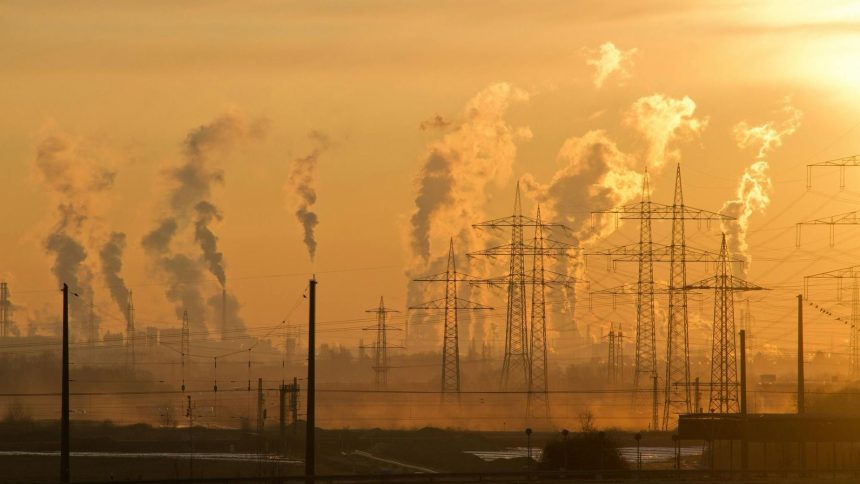
In a world increasingly defined by its ecological challenges, the term “eco-diplomacy” has emerged as both a necessity and a beacon of hope. As nations grapple with the pressing issues of climate change, biodiversity loss, and resource depletion, traditional diplomatic dialogues are evolving to encompass the imperative of sustainability. This article delves into the multifaceted realm of eco-diplomacy—where environmental consciousness intersects with international relations—highlighting how countries are forging innovative partnerships, sharing best practices, and navigating the intricate balance between development and conservation.
From regional agreements to global summits, the quest for sustainability is shaping a new diplomatic landscape, where cooperation is not just beneficial, but essential for the well-being of our planet and future generations. Join us as we explore the dynamics of eco-diplomacy, the challenges it faces, and the promise it holds for a more harmonious coexistence between humanity and nature.
Navigating the Green Frontier: Understanding Eco-Diplomacy Frameworks
In an era of rapid climate change where international cooperation is imperative, Eco-Diplomacy emerges to pave the path towards a sustainable future. This form of diplomacy marks a radical departure from conventional ones. Instead of focusing on military, economics, or political affairs, Eco-Diplomacy puts the environment and its sustainable use at the heart of its agenda. This shift in focus lays the foundation for global interaction aimed at mutually beneficial and sustainable natural resource utilization.
Understanding the model of Eco-Diplomacy requires delving into some significant aspects. Here’s a simplified guide:
- Bilateral Arrangements: Involves agreements between two countries aiming for shared environmental benefits. An example is water sharing agreements to ensure fair water resource allocation.
- Multilateral Agreements: Consists of countries forming an alliance to address shared environmental concerns. It often results in international treaties or conventions like the Paris Agreement on Climate Change.
- Private Sector Participation: Private companies are increasingly playing a crucial role in eco-diplomacy. Their involvement leads to innovative solutions and funding in attaining sustainability goals.
| No. | Eco-Diplomacy Framework | Description |
|---|---|---|
| 1 | Climate diplomacy | Policy approach to managing climate change relations among nations. |
| 2 | Water diplomacy | Model for conflict resolution and cooperation over water resources. |
| 3 | Forest diplomacy | Diplomatic strategies to promote forest conservation and sustainable use. |
While challenges remain on the path of eco-diplomacy, including disparities in resource allocation, technological capacity, and economic power among nations, these frameworks represent an exciting transformation in international diplomatic relations. The ultimate goal is to facilitate a truly sustainable and beneficial use of our planet’s precious resources for every nation on Earth.
Building Bridges for the Planet: The Role of International Agreements in Sustainability
There’s a growing understanding in our global community that the health of our planet should not be an issue left purely in the hands of individual nations, but should be jointly supported and defended by all. This has led to a form of ‘eco-diplomacy’, where nations are coming together in international environmental agreements to tackle the largest sustainability issues of our time. Such green treaties include reducing greenhouse gas emissions, combating deforestation, and protecting biodiversity. These pacts play a crucial role in sustaining our Earth for future generations.
One prime example of such agreements is the Paris Agreement. This seminal treaty set a global action plan to limit global warming to below 2 degrees Celsius above pre-industrial levels. It illuminates the power of well-executed eco-diplomacy, with over 100 nations pledging their commitment. Another impactful pact is the Convention on Biological Diversity, which was designed to conserve biological diversity, promote sustainable use of its components, and encourage fair and equitable sharing of the benefits arising from genetic resources.
- The Paris Agreement: Aimed at reducing carbon emissions to mitigate climate change.
- The Convention on Biological Diversity: Intended to conserve biodiversity and ensure sustainably using its components.
- The Kyoto Protocol: This agreement binds participating countries to reduce greenhouse gas emissions.
| Achievement | Agreement |
|---|---|
| Reducing global carbon emissions | Paris Agreement |
| Conserving biodiversity | Convention on Biological Diversity |
| Reducing greenhouse gas emissions | Kyoto Protocol |
international agreements provide structured platforms for nations to collaborate on sustainable strategies. While challenges remain, the advent of eco-diplomacy heralds a new era of shared responsibility, cooperation, and action towards creating a healthier, more sustainable planet.
Leveraging Technology and Innovation: Tools for Effective Eco-Diplomacy
The world today is facing unprecedented environmental challenges. Innovations in technology and effective eco-diplomacy is a potential game-changer in addressing these issues holistically. Eco-Diplomacy is gaining momentum as global leaders and organizations strive to collaborate on sustainability projects and initiatives. It emphasizes utilizing cutting-edge technology to establish international relationships aimed at combating environmental issues, enhancing waste management, promoting resourceful usage, and supporting regenerative natural systems.
The Role of Technology in Eco-Diplomacy:
- Big Data & Artificial Intelligence: These technologies streamline the prediction and management of environmental trends and changes, making it easier to devise sustainable solutions.
- Internet of Things (IoT): IoT helps in promoting sustainable practices from an individual level to large businesses. It aids in optimizing resource usage, waste management, and energy efficiency.
- Green Technologies: These include renewable energy systems like wind, solar, and hydro power, eco-friendly materials, waste-to-energy technologies and more, contributing towards reducing carbon footprints.
The international cooperation spectrum in sustainability can be effectively tackled with well-rounded application of these technological interventions. The experience of shared responsibility and mutual benefits ultimately supports the cause of eco-diplomacy.
| Environment Challenge | Technological Solution |
|---|---|
| Heavy Industrial Pollution | Carbon Capture & Storage Technology |
| Deforestation | Satellite monitoring & AI prediction |
| Water Scarcity | Water recycling & purification technology |
leveraging technological advancements and initiating innovative practices in foreign policy is proving to be instrumental for enhancing global environmental diplomacy. The success of these endeavors lies in the commitment of all stakeholders in recognizing the dire need for sustainable practices, thus promoting the essence of eco-diplomacy.
Engaging Communities: Grassroots Movements as Catalysts for Global Action
Despite the current global challenges, grassroots organizations worldwide are catalyzing a new movement for change and challenging the status quo. Eco-diplomacy, an emerging concept, is at the forefront of these efforts, promoting international cooperation on sustainability and environmental conservation. Hand in hand, these entities champion a future that honors the Earth and all its inhabitants, fostering an environment that encourages sustainable development and equitable resource distribution.
Grassroot movements, often seen as the underdogs, are now seizing a significant role. Notable examples include:
- The Rainforest Foundation UK: Promoting the rights of indigenous peoples while protecting the rainforest.
- The Sunrise Movement: A youth-led political movement advocating for climate change action in the United States.
- Reforest’Action: A France-based NGO committed to restoring degraded forest ecosystems worldwide.
These movements bode pressure on governments and enterprises alike, advocating for the alignment of business strategies and policy outlines with sustainability proceedings. They come armed with compelling research data, international solidarity, and a tireless commitment to change. The following table demonstrates the profound impact these grassroots movements can extend.
| Grassroot Movement | Country | Impact |
|---|---|---|
| The Rainforest Foundation UK | United Kingdom | 5.6 million acres of rainforest protected |
| The Sunrise Movement | United States | Climate Change Education Programs for broad demographics |
| Reforest’Action | France | 7.5 Million trees planted worldwide |
It is vital for international relations to cross-pollinate with sustainable policies and practice, incorporating eco-diplomacy as a decisive driver of global action. Now more than ever, the world needs a paradigm of hope and action. Beyond the power of international negotiations and agreements, our collective future may well depend on these grassroots catalysts who are pushing the boundaries of what is possible.
The Way Forward
As we draw the curtain on the intricate tapestry of eco-diplomacy, it becomes clear that the path to sustainability is not solely defined by treaties and negotiations, but also by the connections we forge across borders and cultures. The challenges of climate change, biodiversity loss, and resource depletion are daunting, yet they offer a unique canvas for collaboration—a chance to transcend historical divides and unite in the pursuit of a common good.
In this ever-evolving landscape, the principles of eco-diplomacy remind us that the health of our planet is intertwined with the well-being of its inhabitants. Each step taken towards international cooperation not only addresses environmental concerns but also fosters resilience, innovation, and shared prosperity. As nations and communities embrace this expansive approach, we are encouraged to envision a future where our global village thrives amidst the green promise of sustainable development.
Ultimately, the journey of eco-diplomacy is a testament to our collective will. It is a call to action for governments, organizations, and individuals alike to engage, innovate, and champion collaboration in the name of sustainability. Together, we can cultivate a world where nature and humanity flourish side by side, nourishing the planet that sustains us all. The time for eco-diplomacy is now; let us step forward, united in purpose and hopeful for what lies ahead.


