


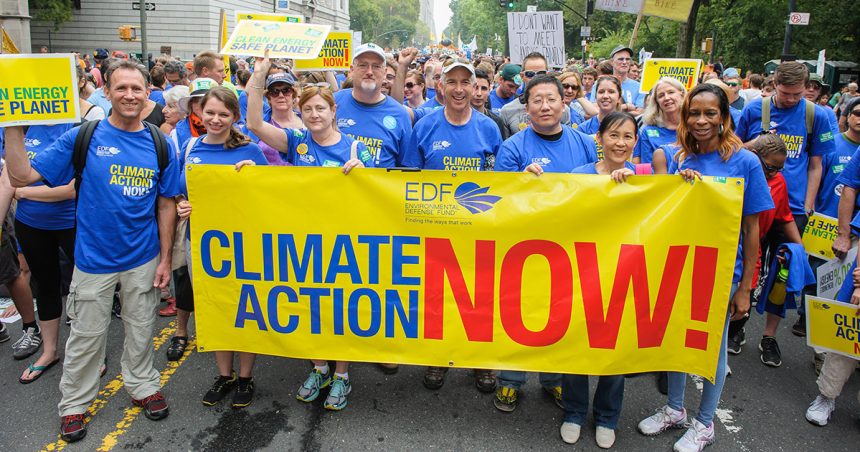
The Environmental Defense Fund (EDF), a prominent organization known for its efforts in addressing critical environmental issues, has recently come under scrutiny from various quarters. Critics argue that the EDF’s partnerships with corporate entities and its approach to climate policy compromise its foundational mission of protecting the environment.
While the organization champions innovative solutions to pressing ecological challenges, detractors question whether its tactics align with grassroots environmentalism or contribute to a larger trend of corporate greenwashing. As debates intensify around the efficacy and ethics of environmental advocacy, the EDF finds itself at the center of a contentious discourse that could reshape public perception and influence future environmental strategies.
Table of Contents
- Environmental Defense Funds Strategic Approach Under Scrutiny
- Evaluating the Impact of Corporate Partnerships on Environmental Advocacy
- Grassroots Concerns: A Divide Between Fund Goals and Community Needs
- Recommendations for Strengthening Accountability and Transparency in Environmental Initiatives
- Q&A
- Future Outlook
Environmental Defense Funds Strategic Approach

The Environmental Defense Fund (EDF), a prominent non-profit organization focused on environmental issues, is currently facing criticism regarding its strategic approach to conservation efforts. Critics argue that the organization has strayed from its foundational principles, prioritizing corporate partnerships over grassroots activism. This shift is raising concerns among environmentalists who fear that EDF’s initiatives may prioritize profit-driven motives rather than genuine ecological preservation. Key points in this debate include:
- Corporate Collaborations: EDF’s partnership with major companies raises questions about its commitment to environmental ethics.
- Impact on Policy: Critics assert that these alliances can lead to diluted policies that favor corporations.
- Grassroots Efforts: Detractors claim that EDF’s focus on high-level negotiations undermines community-based environmental movements.
Moreover, recent reports suggest that tight ties with industrial players could result in a conflict of interest, prompting calls for transparency and accountability. A comprehensive evaluation of EDF’s project outcomes reveals a mixed performance in achieving measurable environmental benefits. The following table outlines some of the key initiatives along with their reported impacts:
| Initiative | Reported Impact |
|---|---|
| Climate Partnership Program | Reduced emissions by 15% |
| Wetlands Restoration Initiative | Success in restoring 1,000 acres |
| Plastic Waste Reduction | Engaged 50+ corporations |
As the EDF aims to balance its strategic objectives with the expectations of its supporters, the organization is now at a critical crossroads. Environmental advocates are urging the EDF to refocus on its mission to protect the planet and to ensure that its strategic directions align with the collective interests of the communities and ecosystems it strives to serve.
Evaluating the Impact of Corporate Partnerships on Environmental Advocacy
The relationship between corporate partnerships and environmental advocacy has sparked considerable debate, especially in light of recent criticisms directed at organizations like the Environmental Defense Fund. Critics argue that these partnerships can sometimes compromise the integrity and effectiveness of environmental initiatives. This is particularly evident when corporations that have a history of environmental damage align themselves with advocacy groups to enhance their reputations. The concern lies in the potential for corporations to prioritize their public image over genuine ecological stewardship.
Moreover, the legitimacy of such alliances is often assessed through several key factors, including:
- Transparency: Are the partnership agreements publicly available, and do they disclose the nature of the collaboration?
- Goals and Outcomes: Do the goals of the partnership align with the organization’s mission, and are the outcomes measurable and accountable?
- Public Perception: How does the partnership influence public trust and perception of the advocacy group?
To illustrate the impact of these partnerships, a simple comparison of partner companies and their environmental track records can be insightful:
| Company | Environmental Track Record | Partnership Status |
|---|---|---|
| Company A | Strong | Active Partnership |
| Company B | Moderate | Recent Collaboration |
| Company C | Poor | Controversial Partnership |
Grassroots Concerns: A Divide Between Fund Goals and Community Needs
The growing tension between grassroots organizations and major environmental funds underscores a pivotal conflict in the fight for sustainability. While these funds often aim to raise substantial amounts to support flagship environmental initiatives, local communities express concern that their specific needs are being overlooked. Many grassroots advocates argue that efforts are primarily focused on high-profile projects that garner attention and funding, rather than addressing the pressing issues faced by marginalized communities. This disconnect raises questions about the true impact of funding distribution and whether it genuinely reflects the needs of those it aims to help.
Critics point out that the disparity is not just a misunderstanding, but a systemic flaw that threatens the foundation of environmental advocacy. Local leaders have voiced their frustrations, particularly regarding issues such as:
- Resource allocation: Funds are often directed toward large-scale ventures that do not benefit smaller, local initiatives.
- Lack of representation: Many community voices remain unheard in discussions about funding priorities.
- Diverse impacts: Environmental challenges vary dramatically across regions, yet one-size-fits-all solutions are increasingly common.
This raises valid questions about how best to bridge the gap between the ambitions of large-scale funds and the authentic needs of grassroots organizations. Moving forward, creating a dialogue rooted in collaboration and understanding may be essential to foster both local empowerment and broader ecological goals.
Recommendations for Strengthening Accountability and Transparency in Environmental Initiatives
To enhance the effectiveness of environmental initiatives, organizations must adopt robust frameworks that foster accountability and transparency. One vital step involves implementing regular public reporting mechanisms that provide stakeholders with clear insights into project progress and outcomes. Such initiatives should include:
- Monthly performance reports highlighting key metrics and milestones achieved.
- Open forums for community feedback, allowing local voices to influence decision-making.
- Independent audits conducted by third-party organizations to ensure unbiased evaluation of project efficacy.
Moreover, establishing a digital platform that consolidates information on environmental spending can significantly improve public trust. This platform should facilitate access to detailed funding breakdowns, project timelines, and impact assessments. A well-organized presentation of this information can be achieved through a simple table format, as demonstrated below:
| Project | Funding Amount | Status | Impact Assessment |
|---|---|---|---|
| Reforestation Initiative | $500,000 | Ongoing | 1,000 acres restored |
| Clean Water Access | $350,000 | Completed | 5,000 residents served |
| Wildlife Protection Program | $200,000 | Ongoing | Improved biodiversity index |
Q&A
Q&A: Criticism of the Environmental Defense Fund (EDF)
Q: What is the Environmental Defense Fund (EDF)?
A: The Environmental Defense Fund is a non-profit organization founded in 1967, focused on developing and promoting innovative solutions to environmental issues such as climate change, pollution, and biodiversity loss. The EDF combines science, economics, and law to advocate for systemic change.
Q: What criticisms has the EDF faced recently?
A: The EDF has faced criticism on several fronts, including its partnerships with corporations, perceptions of compromising on core environmental principles, and questions about the effectiveness of its climate strategies. Critics argue that the EDF’s collaboration with industry can undermine advocacy efforts and lead to policies that favor business interests over environmental protection.
Q: Why do some groups argue that the EDF’s corporate partnerships are problematic?
A: Critics contend that the EDF’s partnerships with large corporations, some of which have a history of environmental infractions, could dilute its advocacy credibility. They argue this creates a conflict of interest, as the organization may prioritize business-friendly solutions over more stringent environmental protections, leading to a credibility gap among grassroots activists.
Q: How has the EDF responded to these criticisms?
A: In response to these criticisms, EDF leadership has emphasized that collaborations with businesses can produce meaningful results in reducing emissions and promoting sustainability. They argue that engaging with the private sector is essential for driving change at the scale needed to address urgent environmental challenges, while maintaining their commitment to accountability and transparency in their initiatives.
Q: Are there specific instances that have drawn criticism towards the EDF?
A: Yes, several specific controversies have emerged. For instance, EDF has been criticized for its involvement in market-based environmental solutions, such as cap-and-trade programs, which some argue can allow polluters to buy their way out of responsibility. Additionally, there have been backlash over its stance on certain legislative proposals that some advocates feel are insufficient in addressing the climate crisis.
Q: What impact do these criticisms have on the EDF’s effectiveness?
A: The criticisms have sparked debate within environmental circles about the EDF’s approach. While some supporters argue that the EDF’s influence can facilitate important policy changes, detractors believe that the organization’s focus on market-driven solutions may alienate grassroots movements. This division could potentially affect the EDF’s ability to mobilize broad-based support for environmental initiatives.
Q: How does public perception of the EDF influence its operations?
A: Public perception plays a crucial role in the EDF’s operations. As a non-profit reliant on donations and public support, negative perceptions can impact fundraising efforts and collaboration opportunities. The EDF has initiated outreach efforts to communicate its mission more effectively and engage with diverse stakeholders to address concerns and rebuild trust within the broader environmental community.
Q: What are the next steps for the EDF moving forward?
A: Moving forward, the EDF faces the challenge of reconciling its corporate partnerships with the demands of grassroots activists. The organization aims to enhance its transparency regarding its relationships and outcomes while refocusing its strategy to prioritize robust environmental protections. Continued dialogue with critics and environmental justice advocates will be crucial in shaping the EDF’s future direction and maintaining its relevance in the global environmental movement.
Future Outlook
the criticism directed at the Environmental Defense Fund highlights a complex landscape where environmental advocacy meets economic interests. While the organization has made significant strides in promoting sustainable practices and policies, detractors raise valid concerns about its partnerships and approach to climate solutions. As the debate continues, it is crucial for stakeholders—government officials, activists, and the public—to engage in dialogue that prioritizes transparency and inclusivity. The path to a sustainable future relies not only on effective environmental strategies but also on fostering trust among those who strive to protect our planet. As we move forward, the challenge will be to reconcile these differing perspectives in pursuit of shared goals, ensuring that the ideals of environmental justice remain at the forefront of our collective efforts.


