


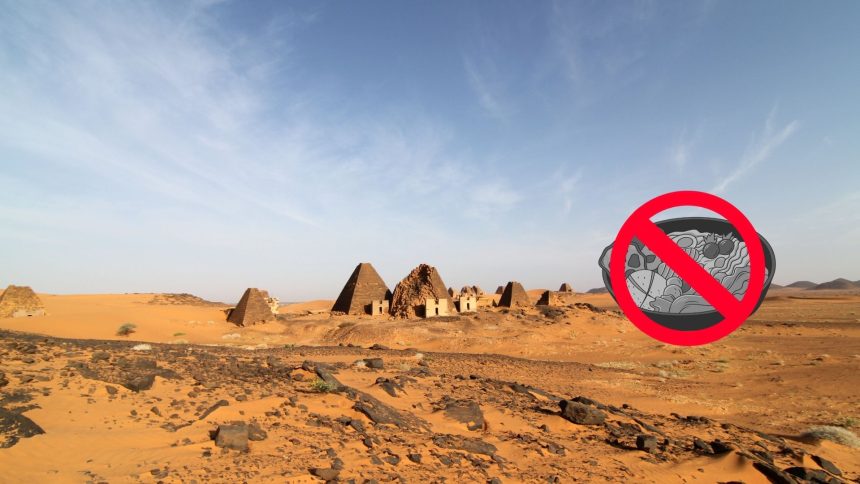
In the heart of northeastern Africa, Sudan finds itself entangled in a devastating crisis where the specters of famine and violence loom large, amplifying an already harrowing death toll. As the arid landscape bears witness to the suffering of millions, the human toll continues to rise amid escalating clashes and deteriorating living conditions.
This article delves into the intricate web of despair woven from protracted Sudanese conflicts and the relentless struggle for survival, shedding light on the profound humanitarian crisis affecting one of the continent’s most resilient yet beleaguered nations. Through the lens of statistics and personal stories, we explore the harsh realities faced by those caught in the crossfire of neglect, instability, and the desperate fight for sustenance, as hope dimly flickers on the horizon.
Understanding the Crisis: The Interplay of Famine and Violence in Sudan
As the crisis in Sudan continues to escalate, it is important to understand the interconnected dynamics driving the human tragedy. Ranked as one of the world’s least developed countries by the United Nations, this African nation is grappling with a lethal cycle of famine and violence.
At the heart of the crisis is a massive food shortage due to unfavorable climatic conditions, ineffective agricultural systems and persistent political instability. With several regions suffering from insufficient rainfall, deteriorating soil fertility and endemic crop diseases, the famed Sudanese Breadbasket is now a shadow of its former self. The critical impact factors include:
- Unfavorable Climatic Conditions: recurring droughts and floods playing havoc with food production.
- Political Instability: frequent conflicts and disruptions in agricultural policies.
- Lack of Infrastructure: inadequate roads, irrigation systems and storage facilities.
- Poor Farming Practices: massive deforestation, soil erosion and excessive pesticide use.
The complex and compounded issue of violence in Sudan is the other facet of the crisis. With an alarming increase in surges of ethnic violence, military clashes and displacement of populations, the vicious cycle of famine and violence has taken a severe toll on the nation. This is particularly evident in conflict-ridden areas such as Darfur, South Kordofan and the Blue Nile states where the incidence of food shortages and violence is markedly high. Here is an overview of the violence induced factors:
- Displacement of Communities: forcing them into food-insecure areas.
- Military Clashes: disrupting food distribution systems.
- Human Rights Abuses: limiting access to food, water and medical aid.
- Economic Instability: escalating prices of basic commodity goods.
Integrating these factors into a coherent response strategy is absolutely crucial but proves to be challenging given the vast complexities of the ongoing crisis. Understanding the interplay of famine and violence in Sudan is therefore not just an academic exercise but a fundamental step towards devising effective solutions.
Humanitarian Response: Mobilizing Aid in a Time of Desperation
In Sudan, a deadly combination of famine and escalating violence has multiplied the risk of a significant humanitarian crisis. The dire circumstances have displaced millions and have significantly increased the number of lives lost. Non-profit organizations and humanitarian missions have been urgently assembled to provide necessary assistance; food, water, medical aid, and shelter. However, the magnitude of the crisis coupled with the challenges of working in such hostile environments has made it an uphill battle.
The Centrality of the Humanitarian Response
- Providing aid: Specifically tailored aid packages, including essential food and medical supplies are being distributed. Special attention is being paid to children, women, and the elderly – the most vulnerable groups.
- Dealing with displacement: Temporary shelters and sanctuary locations are being established for those forced to abandon their homes due to violence or the severe food shortage.
- Peacekeeping and protection: Personnel trained in mediating conflicts and ensuring the safety of civilians are a critical part of the mission to prevent further violence.
- Rebuilding infrastructure: A focus is also on rebuilding roads, hospitals, schools and other key infrastructure that has been destroyed. This will help bring some modicum of normalcy back into the lives of the people.
| Aid Organisations | Roles & Responsibilities |
|---|---|
| United Nations | Overall coordination of international relief efforts. |
| Doctors Without Borders | Deploying mobile clinics and providing medical aid. |
| World Food Programme | Distribution of food aid and nutrition support. |
| Red Crescent Society | Providing shelter, health services, and clean water facilities to displaced persons. |
The scale and complexity of the humanitarian response required are overwhelming. It requires an unprecedented coalition of international organizations, governments, local communities, and individuals effecting change. This multidimensional crisis is a test of our collective human resolve, and it is crucial that we rally together to extend our support in this time of desperation.
Long-Term Solutions: Addressing Root Causes of Conflict and Food Insecurity
When discussed on a larger scale amidst the backdrop of global issues, the connection between violent conflicts and famine can’t be overstated. Sudan, as a case in point, struggles under the weight of these interconnected crises, with lives lost and countless others displaced or endangered as a result. A long-term, sustainable solution calls for us to delve deep and lay bare the root causes of these problems – specifically conflict and food insecurity.
The root cause of conflict in Sudan stems from a myriad of social, political, and economic factors. These include, but are not limited to:
- Political instability and corruption: Power struggles and mismanagement of resources have led to conflict and economic crises.
- Ethnic and cultural differences: Deep-seated tensions due to ethnicity, religion, or culture sometimes boil over into violent clashes.
- Inequality: Unequal distribution of wealth and resources has lead to social conflict and poverty.
This conflict exacerbates the issue of food insecurity. With disruption to agriculture and infrastructure, food production and distribution are significantly affected. In addition, climate changes have caused repeated droughts, further pushing the local communities into the vicious cycle of food deficit. Addressing these intertwined issues will require a holistic approach that not only provides immediate relief but also promotes sustainable growth and development.
| Approach | Solution |
|---|---|
| Political Reform | Improve governance, reduce corruption, and establish peaceful power transitions. |
| Social Inclusion | Promote tolerance and provide opportunities for all ethnic, cultural and religious groups. |
| Economic Empowerment | Facilitate fair distribution of resources, implement economic reforms, and promote sustainable development. |
| Agricultural Improvement | Enhance agricultural practices, invest in infrastructure, and implement climate-resilient farming techniques. |
to break the cycle of conflict and food insecurity in Sudan, we need to look beyond immediate relief. Instead, a broader, more rounded approach that tackles underlying causes and promotes stability and community resilience is necessary.
Global Responsibility: The Role of the International Community in Preventing Catastrophe
The ongoing crisis in Sudan is a stark reminder of how important it is for the international community to play a proactive role in preventing catastrophes. The twin perils of famine and violence have escalated the death toll, with children and adults alike bearing the brunt of this humanitarian crisis. This situation draws attention not only to the need for immediate relief and assistance but also to the larger issue of global responsibility.
In the face of such devastating crises, the international community needs to step up with ever more urgent and decisive action. This can be in the form of:
- Provision of immediate humanitarian aid: Famine is a direct result of food insecurity. The international community can harness its resources to provide food supplies, basic medical care, and other critical necessities.
- Advocacy and diplomatic intervention: Violence, often a companion to famine, can be curtailed with effective diplomacy. Urgent peace talks, ceasefires, and negotiations can help prevent further violence.
- Long-term strategies: Beyond immediate help, the global community needs to contribute to developing strategies that will curb recurrence of such crises. This may include investing in infrastructure, promoting community resilience, and supporting sustainable development.
| Stakeholder | Role in Crisis Intervention |
|---|---|
| United Nations | Global coordinating body, policy development, fundraising |
| International Non-Governmental Organisations | Distribution of aid, on-the-ground assistance, advocacy |
| Local Governments and Agencies | Implementation of policies, local assistance, infrastructure development |
It is only with the concerted efforts of all such stakeholders that the international community can fulfill its responsibility towards preventing and managing catastrophes such as the one unfolding in Sudan.
Key Takeaways
As the sun sets over the arid landscapes of Sudan, the shadows lengthen—mirroring the deepening crisis that has gripped the nation. Famine and violence have intertwined to create a heartbreaking tableau of suffering and loss. With each passing day, the death toll rises, reminding the world of the urgent need for action and compassion.
In reflecting on the grim reality faced by millions, we must acknowledge that statistics on a page cannot capture the depth of human anguish experienced in Sudan. These narratives of survival and struggle call for global solidarity and concerted efforts to bring relief and restoration to a fractured land.
As we turn our gaze outward, let us remain vigilant and empathetic, striving to amplify the voices of those who are silenced and to advocate for peace and humanitarian aid. The road to recovery may be long and winding, but together, we can pave avenues of hope for a brighter, more stable future. In the face of adversity, may the resilience of the Sudanese people and the awareness of the international community coalesce into a force for change and healing.


