


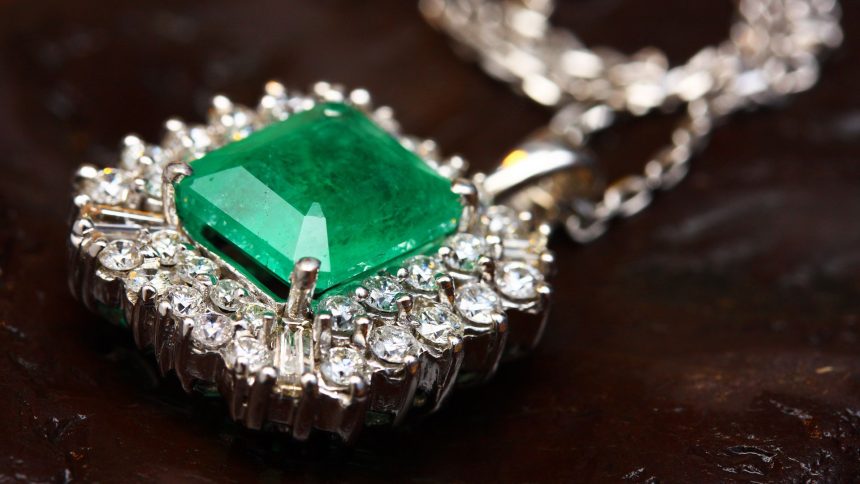
In a striking turn of events, the vibrant landscape of gem and jewellery exports has dimmed, as evidenced by the latest report from the Gem and Jewellery Export Promotion Council (GJEPC). July witnessed a substantial 23.28% decline in exports year-on-year, plunging to USD 1,665.4 million. This downturn, reflective of broader economic currents, has roots in geopolitical disturbances that are resonating through the industry, particularly the shifting tides in the United States and China.
As the allure of precious stones and intricate designs grapples with external pressures, the impact on one of the world’s most cherished industries raises questions about resilience, agility, and the path forward. In this article, we delve into the factors behind this notable decline and explore the potential ramifications for an industry that has long been a symbol of luxury and craftsmanship.
Impact of Geopolitical Factors on Global Gem and Jewellery Trade
In recent years, the global gem and jewellery market has been significantly affected by geopolitical factors like trade policies, economic sanctions, and political turmoil. Particularly, the ongoing disturbances between economic superpowers, the US and China, have had major repercussions. The most recent data from the Gem and Jewellery Export Promotion Council (GJEPC) speaks volumes. The numbers show a drastic 23.28% year-on-year fall in gem and jewellery exports just in July, moving the total down to a precarious USD 1,665.4 million.
Sharp increases in tariffs and ongoing trade uncertainties have resulted in this substantial decrease. In addition, disruptions caused by COVID-19 have led to reduced demand and delayed supply chains worldwide. This combination has created an environment wherein both domestic and international business for gem and jewellery trade has been adversely affected. The following table enlists some key factors leading to this decline:
| Geopolitical Factors | Effect on Gem and Jewellery Trade |
|---|---|
| Trade disputes | Increased tariffs and uncertainty affecting pricing and demand |
| Economic sanctions | Restrictions on international transactions and sourcing |
| Political instability | Consumer confidence affecting overall demand |
| COVID-19 Pandemic | Disruptions in supply chains and reduced consumer spending |
These developments are a clear reminder that the gem and jewellery market, like many others, is inextricably linked with the larger geopolitical landscape. As shifts occur on the global stage, the industry must adapt and find new ways of sustaining and improving business.
Analyzing the Decline: Trends and Challenges in July Exports
Contrary to expectations, gem and jewellery exports in July have taken a downward trajectory, showcasing a marked 23.28% decrease year-on-year. The Gem and Jewellery Export Promotion Council (GJEPC) data reveals the diminished total at a concerning USD 1,665.4 million. This decline is largely credited to geopolitical disturbances brewing in critical trading countries, particularly the United States and China.
Yet, this downturn is not without its complexities. Multiple factors have emerged to contribute to this trend, some of them comprising:
- Geopolitical Disruptions: Disquiet in key trading nations had led to uncertainty and a marked decrease in trade.
- Pandemic Impact: With global shutdowns and economic slowdowns, purchase patterns and buying power have been significantly affected.
- Supply Chain Issues: Manufacturers have been grappling with disrupted supply chains, making it challenging to meet any existing demand.
| Export Products | July 2020(USD Million) | July 2021(USD Million) |
| Gold Jewellery | 941.70 | 723.60 |
| Polished Diamonds | 1015.30 | 784.20 |
| Silver Jewellery | 350.10 | 261.50 |
What is worth noting in this scenario is the resilience and inherent potential of the gem and jewellery industry. While the current situation is challenging, the industry’s robustness promises a hopeful overhaul in the upcoming months with the right strategic measures.
Strategies for Recovery: Recommendations for the GJEPC
The Gem and Jewellery Export Promotion Council (GJEPC) experiencing a significant decline is a matter of concern. However, there are several strategies that can be utilised to mitigate the downturn and promote recovery. Diversification in markets is one such tactic. By exploring and entering potential markets such as Southeast Asia, Latin America or Africa, dependence on traditionally established markets such as the US and China can be reduced. This can also allow for a more balanced and risk-reduced trade scenario.
Similarly, Investment in digital technology can be a game-changer. A greater emphasis on e-commerce and digital marketing can facilitate direct-to-customer sales, opening up new avenues and opportunities. Further, Innovative product offerings, developing unique and high-quality gems and jewellery can lure new customer segments. Below is a table providing a snapshot of the strategies:
| Strategy | Description |
|---|---|
| Market Diversification | Reducing dependency on traditional markets and exploring new ones |
| Digital Investment | Emphasizing on e-commerce and digital marketing for direct-to-customer sales |
| Innovative Product Offerings | Developing unique and high-quality gems to attract new customers |
In addition to these, strong governmental policies and schemes supporting the gem and jewellery industry can play a vital role. It is important to remember that these strategies are not mutually exclusive and can be more effective when implemented collectively.
Market Insights: Adapting to Changing Consumer Demands in the Industry
The global gem and jewellery industry is currently facing significant shocks, and recent data released by the Gem and Jewellery Export Promotion Council (GJEPC) further underlines this challenge. With a recorded 23.28% year-on-year decline in exports for the month of July, which amounts to USD 1,665.4 million, it’s clear the market turbulence is having a drastic effect. A primary cause of this dip is the geopolitical disturbances causing uncertainty, particularly in key markets like the US and China.
Analysts predict that for the industry to bounce back, it must adapt to shifting consumer demands. Today’s consumers not only value the quality and design of jewellery but also its sustainability and ethical sourcing. Furthermore, the decline in brick-and-mortar sales and surge in online purchases has necessitated innovation in the digital space.
| Consumer Preferences | Potential Industry Adaptations |
|---|---|
| Ethical Sourcing | Invest in fair trade and ethical sourcing certifications |
| Online Purchasing | Improve ecommerce infrastructure and digital marketing strategies |
| Sustainability | Refine production processes to minimize environmental impact |
To meet these evolving consumer needs, industry players must invest in their e-commerce platforms, ensure ethical sourcing policies, and create environmentally friendly products. By meeting the demands of modern consumers, the gem and jewellery industry can position itself for a rebound despite the challenging market environment.
Insights and Conclusions
the recent decline in gem and jewellery exports, as reported by the Gem and Jewellery Export Promotion Council (GJEPC), highlights the fragility of an industry deeply intertwined with global economic and geopolitical currents. The 23.28% decrease, bringing exports down to USD 1,665.4 million, serves as a poignant reminder of how external factors, ranging from international politics to trade relations, can ripple through this vibrant sector.
While the allure of precious stones and exquisite craftsmanship endures, the challenges presented by tumultuous geopolitical landscapes call for innovation and resilience. As the industry navigates these choppy waters, stakeholders may need to embrace adaptability and explore new avenues for growth, ensuring that the brilliance of gem and jewellery exports continues to shine through adversity.


